Marshall VA Equestrian Lifestyle for Horse Property Owners
June 4, 2026
June 4, 2026
If you picture horse property as either a polished estate or a remote farm, Marshall offers a middle ground that feels refreshingly real. You can enjoy a true rural setting, daily equestrian practicality, and a town that supports the lifestyle without losing its small-scale character. If you are wondering what ownership actually feels like here, this guide will walk you through the rhythm of daily life, local horse culture, and the conveniences that make it workable. Let’s dive in.
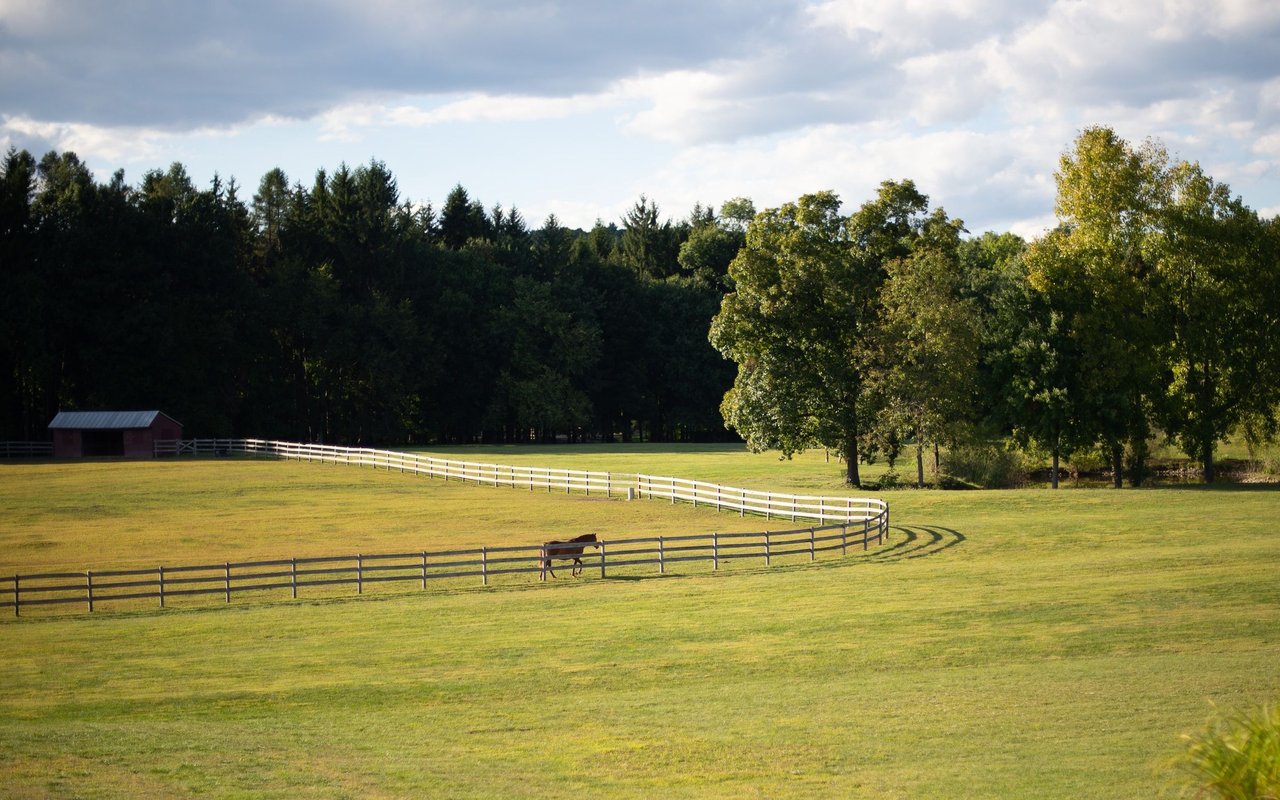
Marshall is best understood as a true horse-country base, not a suburban edge community pretending to be one. Fauquier County describes itself as primarily rural, and local planning documents frame Marshall as a service center for the surrounding agricultural community.
That matters when you are buying a horse property. You are not simply purchasing a house with acreage. You are stepping into a place where farms, open land, and agricultural use are still central to the identity of the area.
Marshall also preserves a small-town feel. The town code was adopted to protect its small-town character and historic district, which helps explain why the area feels grounded rather than overbuilt.
One of Marshall’s strengths is that it does not feel cut off. Fauquier County sits about 40 miles southwest of Washington, D.C., and Interstate 66 runs through the northern part of the county.
For you as a buyer, that can mean a more balanced lifestyle. You get the setting many horse owners want, with rolling land and agricultural surroundings, while still having practical access to the broader capital region.
That balance is part of Marshall’s appeal. It supports the idea of a working horse property without requiring every supply run, appointment, or meal out to become a major trip.
Owning a horse property near Marshall usually means managing land as carefully as you manage the home and barn. Virginia Cooperative Extension notes that maintaining healthy sod and good groundcover generally takes about two acres of pasture per horse.
That guideline gives you a clear picture of what daily ownership involves. Stocking levels, turnout plans, and pasture recovery are not side issues. They are central to how well the property functions.
If you keep more horses on less land, the management burden tends to rise. In real terms, that can mean more attention to footing, fencing, grazing rotation, and overall pasture condition.
A horse property near Marshall works best when the land is usable and organized. You will likely spend time thinking about paddock layout, grass cover, drainage, and how horses move between spaces.
This is one reason experienced buyers often look beyond the house first. The beauty of the setting matters, but the usefulness of the land often shapes daily satisfaction more than any interior finish.
Seasonal planning is part of the lifestyle. Virginia Cooperative Extension highlights winter feeding strategies such as bale grazing, where hay is placed on pasture in advance and temporary electric fencing is moved every one to seven days.
Even if you use a different system, the broader point is the same. Winter care is active care, and it requires planning for hay placement, pasture impact, and horse access.
Horse ownership also includes ongoing manure management. Virginia Cooperative Extension notes that manure affects air, water, and soil, and that properly managed manure can also serve as a soil amendment.
That is an important mindset shift for many buyers. A horse property is not just a scenic residence. It is a working agricultural asset that rewards thoughtful, steady management.
Marshall is surrounded by a part of Virginia where equestrian tradition is long-standing and visible. This is not a newly marketed lifestyle district. It is an area with established hunt and show traditions that continue to shape the local calendar.
For many buyers, that adds meaning to ownership. You are not just buying land for private use. You are entering a broader horse-country environment with real history and active participation.
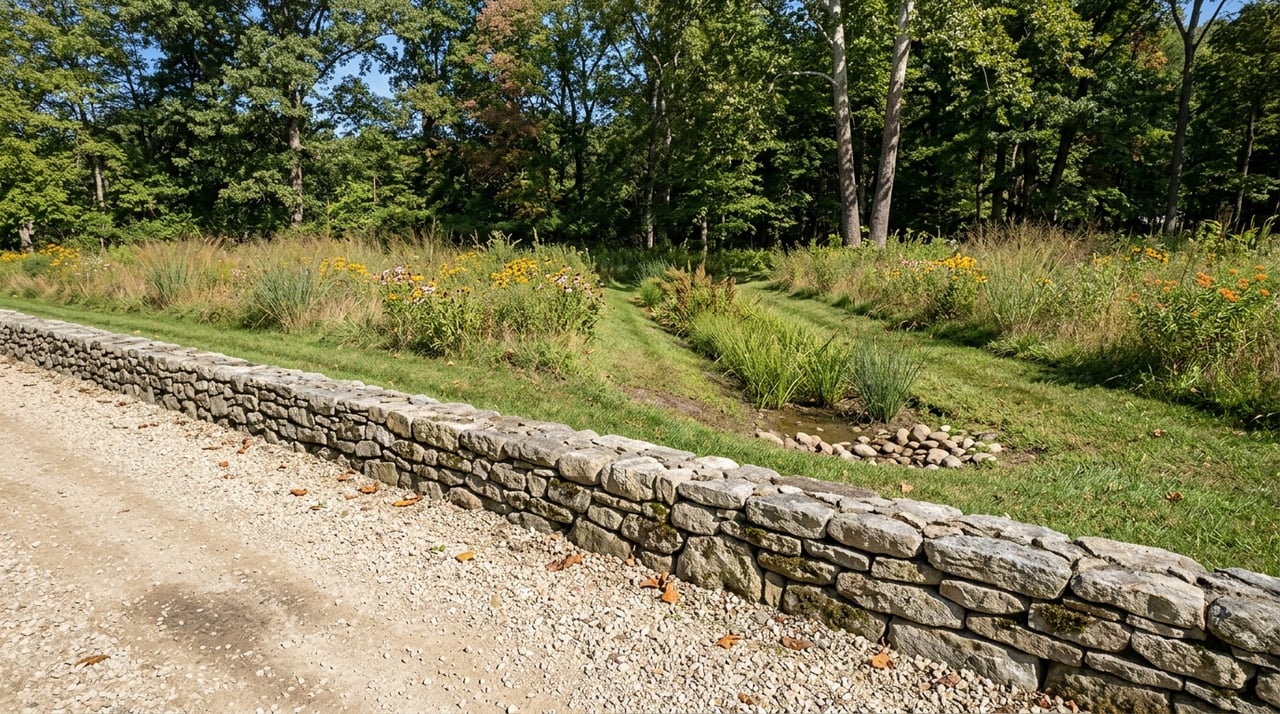
Old Dominion Hounds meets from September through March in Fauquier and Rappahannock counties. Its territory covers about 100 square miles of pasture, woodlands, coops, rail fences, and stone walls in the rolling Blue Ridge foothills.
That description tells you a lot about the surrounding terrain and riding culture. It reflects the kind of landscape many buyers imagine when they think of northern Fauquier horse country.
The Warrenton Hunt adds another layer to the area’s equestrian identity. It offers foxhunting, hunter paces, steeplechasing, and related social activities, with meets on Monday, Wednesday, and Saturday mornings during hunt season at fixtures in Fauquier, Culpeper, and Rappahannock counties.
If your interests lean toward showing, the regional calendar is also strong. The Upperville Colt & Horse Show, which dates to 1853, is the oldest horse show in the United States, and its 2026 edition is scheduled for June 1 through 7.
Fauquier County also has a long-running connection to horse shows. The Warrenton Horse Show dates to 1899, which reinforces how established the equestrian culture is in this area.
Beyond Fauquier, Morven Park in Leesburg hosts spring and fall horse trials, along with summer shows and polo. For you, that means Marshall can connect to a wider Northern Virginia network of equestrian events.
A horse property is only as manageable as the support around it. Marshall stands out because it has useful equestrian services in town or nearby, which can make ownership far more practical.
Tri-County Feeds in Marshall sells feed, tack, riding apparel, boots, grooming items, and equestrian supplies. CFC Farm & Home in Marshall lists equine feeds, horse supplies, fencing, hardware, and show supplies.
When those basics are close by, the lifestyle becomes much easier to sustain. You are not forced to treat every routine need like a long-distance errand.
Veterinary support is another important part of daily peace of mind. True North Equine Veterinary Services is in Marshall, and Piedmont Equine Practice in The Plains provides full-service care for horses, serves Fauquier and surrounding counties, and offers farm calls.
For a buyer, that local service layer can be just as important as the acreage total. It helps turn horse ownership from an aspiration into something that feels workable week after week.
Marshall does not offer convenience in a generic suburban way. Instead, it has enough town-center activity to support daily life while still feeling connected to the surrounding countryside.
Fauquier County tourism organizes Marshall around shopping, dining, outdoor recreation, agricultural attractions, and historical attractions. Current listings include Marshall Diner, Red Truck Rural Bakery, and the Marshall Farmers Market on West Main Street.
That mix helps explain why many buyers find Marshall appealing. You can live in a rural setting and still have a town nearby that feels active, useful, and part of everyday life.
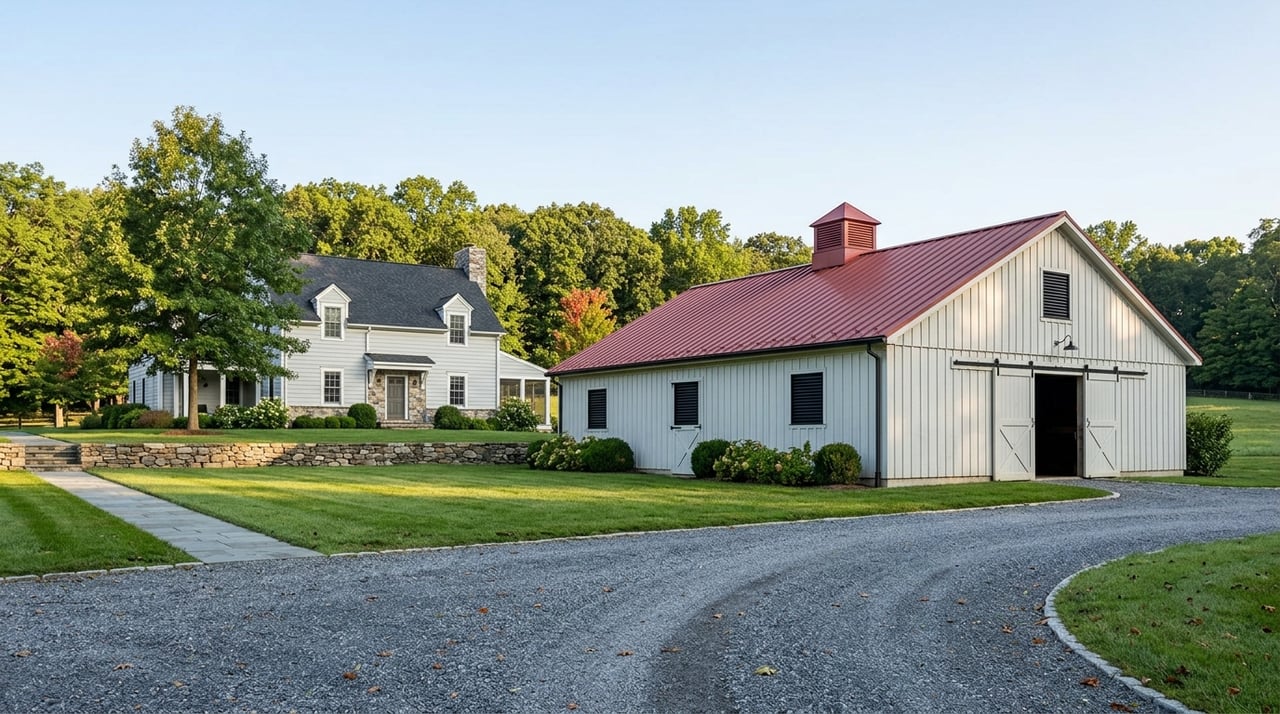
If you are considering a horse property near Marshall, it helps to start with the land before the finishes. The most attractive house will not compensate for poor layout, weak pasture function, or a setup that adds daily friction.
A practical review often includes questions like these:
These are not glamorous questions, but they are often the ones that shape long-term enjoyment. The right property should support your horses, your routine, and your goals with as little strain as possible.
The clearest draw is balance. Marshall offers a real horse-property lifestyle with nearby support systems, active equestrian traditions, and a rural setting that still connects to the Washington-area orbit.
That combination can be hard to find. Some properties offer beautiful land but feel isolated. Others offer convenience but lack the authentic horse-country setting buyers are really seeking.
Near Marshall, you can find a version of ownership that feels grounded, practical, and rooted in long-established equestrian life. If that is what you want, it is worth approaching the search with both lifestyle goals and land-use realities in mind.
If you are exploring horse properties in Marshall or elsewhere in Northern Virginia Hunt Country, working with an advisor who understands barns, land, layout, and the details behind rural ownership can make your search far more productive. To discuss your goals confidentially, connect with Debbie Meighan.
Debbie's mission is to connect qualified buyers and motivated sellers to cement the best real estate transactions, deals where both sides come together for a common goal, and everyone feels like they have walked away a winner.