What to Know Before You Buy Conservation Land in Clarke County
July 16, 2026
July 16, 2026
Are you dreaming about owning land in Clarke County because of its open views, working farms, and rural quiet? If so, you are not alone, and you are also right to look closely before you buy. In a county where preservation shapes planning, zoning, and long-term land use, the best purchase is usually the one that already fits how you want to use and care for the property. Let’s dive in.
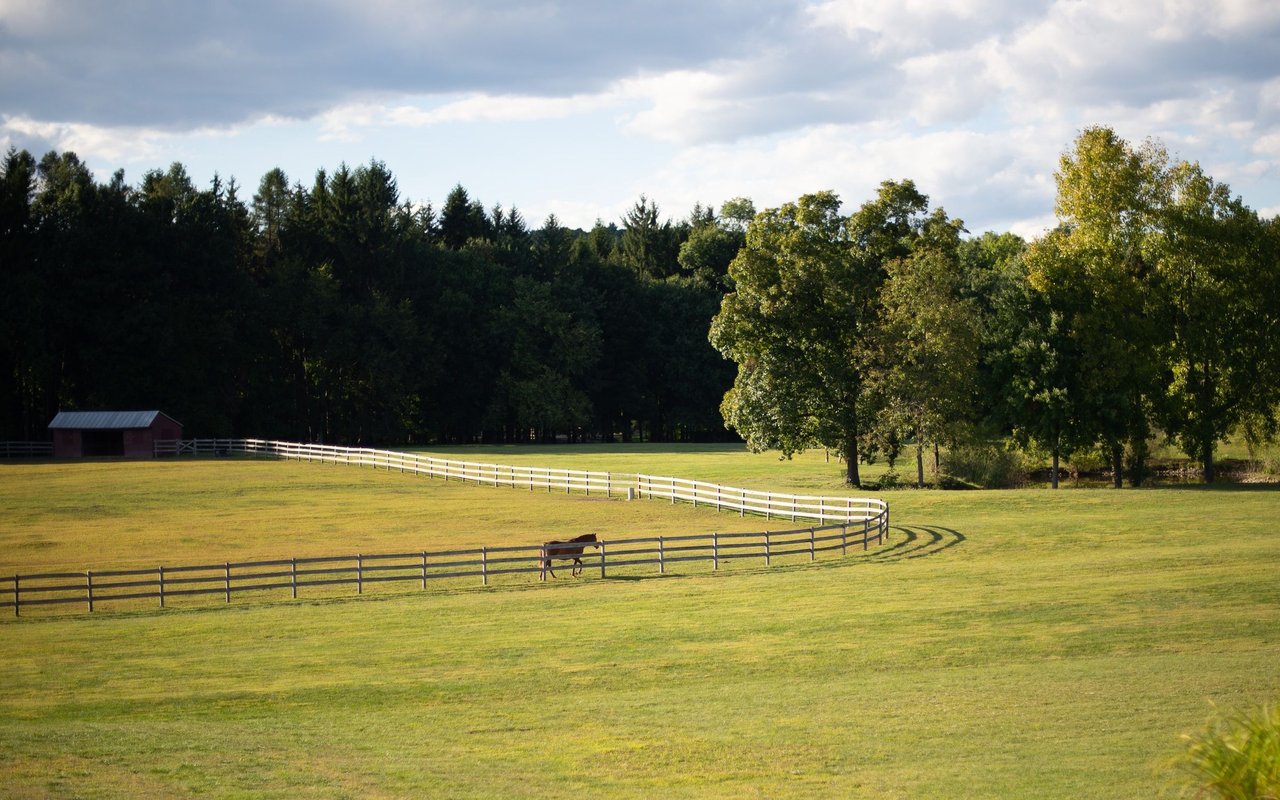
Clarke County has a strong preservation-first identity. The county covers 175.93 square miles of land, and county planning materials say development should be focused in planned growth areas while rural areas remain rural and protected from development.
That approach is not just a planning idea on paper. The county’s 2026 Rural Lands Plan draft reports that, as of October 2025, nearly 30,000 acres were in permanent conservation easement, or about 27% of the county’s land area. USDA’s 2022 Census of Agriculture also counted 421 farms and 50,182 acres in farms, which is about 45% of county land area.
For you as a buyer, that means land in Clarke County often comes with a stewardship story as well as a legal one. Open space, working land, water resources, and scenic character are central to how the county thinks about growth and landownership.
One of the first questions to answer is whether the land is inside Berryville or Boyce, or in the unincorporated county. For land outside those towns, Clarke County’s zoning ordinance and subdivision ordinance are the main rules that govern use and land division.
The county says these ordinances are designed to keep development consistent with the Comprehensive Plan, and they are updated annually. That matters because even a beautiful parcel may not support the uses, building plans, or future flexibility you have in mind.
If you are buying with a long view, location inside the regulatory map matters just as much as location on the landscape. A parcel’s governing rules will shape what you can do now and what you may be able to do later.
Two zoning designations deserve special attention in Clarke County: Agricultural-Open Space-Conservation, or AOC, and Forestal-Open Space-Conservation, or FOC. County planning materials say these districts make up more than 90% of the county’s land area.
These districts are conservation-oriented, and agriculture is allowed by-right in both under the county’s Right to Farm framework. That can be attractive if you want a property aligned with farming, forestry, or long-term rural use.
Still, zoning is never just a label. You will want to confirm whether the parcel’s current district supports your intended use, any potential homesite plans, access improvements, agricultural activity, or future subdivision goals.
Many buyers assume all preservation tools work the same way, but they do not. In Clarke County, Agricultural and Forestal Districts, or AFDs, are different from conservation easements.
County code limits AFD membership to AOC and FOC lands, and the county says these districts are reviewed every six years for modification, termination, or continuation. In plain terms, an AFD is a preservation program, but it is not the same as a perpetual deed restriction.
A conservation easement is much more permanent. If a parcel is under easement, the recorded terms stay with the land and bind future owners.
Clarke County’s Conservation Easement Authority exists to protect land with significant agricultural, natural, scenic, and historic resources. The county specifically points to farmland, open space, environmentally sensitive areas, wildlife habitat, tourism-related scenic resources, and water resources.
Virginia guidance explains that a conservation easement is a voluntary agreement that permanently limits some development rights while allowing the owner to keep owning, using, controlling, selling, and passing the property to heirs. Compatible rural uses can continue, including farming, forestry, hunting, and fishing, and public access is not required.
That said, easement terms can vary. Virginia Department of Forestry guidance notes that easements are perpetual and often limit subdivision, though some properties may retain one or more subdivision rights and still allow homes, farm buildings, and similar rural structures.
For a buyer, the real question is not simply whether a parcel is conserved. The better question is whether the exact easement terms match your plans for the property.
In Clarke County, conservation review is often a rights-and-uses exercise. The county’s Conservation Easement Purchase Program looks at factors such as agricultural value, acreage, dwelling unit rights, and proximity to water resources or significant open space.
That should tell you something important. Two parcels with similar acreage and similar views may offer very different practical options depending on dwelling unit rights, subdivision rights, and the terms of any recorded easement.
Before you go firm, review the recorded deed carefully and speak with the easement holder if the property is encumbered. If you are considering new construction, timbering, amendments, or ownership changes, it is wise to clarify those points early.
Tax treatment can be one of the bigger surprises in a rural land purchase. Clarke County offers a land-use assessment program that lowers tax assessment based on actual use, but the county is clear that this is a deferment, not a permanent exemption.
If the land changes to a non-qualifying use, rollback taxes may be charged for the current year plus up to the previous five years. The county states that the person who changes the use pays the rollback tax.
For buyers planning a homesite, a change in use, or a shift away from qualifying agricultural, horticultural, open-space, or forest use, this deserves early review. It is one of those details that can affect both your budget and your long-term strategy.
According to Clarke County, land generally needs:
These are practical checkpoints, especially if you are buying vacant land and expect current tax treatment to continue.
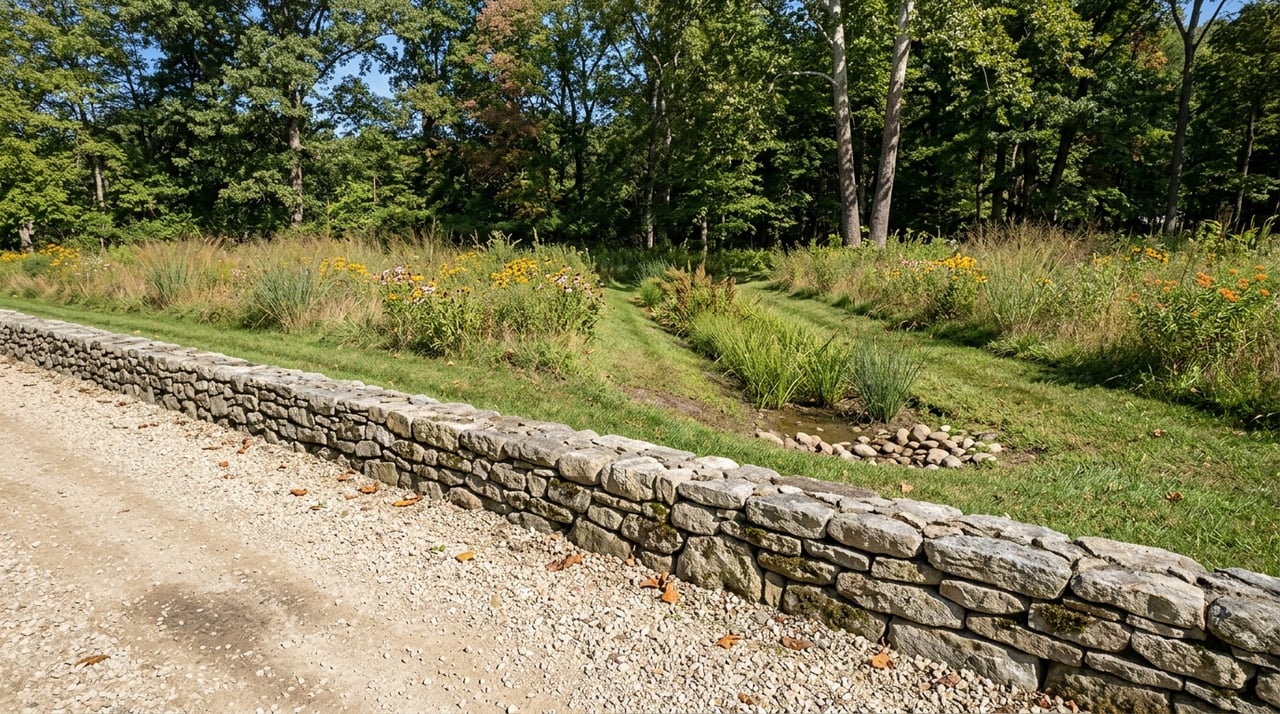
Clarke County’s natural beauty comes with real site considerations. The county describes the area as karst terrain with sinkholes, springs, and sinking streams, and it says its groundwater protection framework includes septic and well ordinances, a sinkhole ordinance, drought planning, and groundwater monitoring.
For you, that means due diligence should go beyond acreage and views. Well yield, septic feasibility, drainage, erosion control, and access should all be investigated before a purchase goes firm.
This is especially important if you are considering a custom home, equestrian use, agricultural operations, or any plan that depends on reliable water and stable site conditions. A parcel that looks ideal from the road may need much closer technical review.
When you are evaluating land in Clarke County, it helps to work through a clear set of questions:
These are not just technical boxes to check. They help you measure whether a property already matches your stewardship goals, budget, and intended use.
In Clarke County, the most successful land purchases are often the ones grounded in alignment, not assumptions. The county’s planning framework favors rural protection, and Virginia’s conservation easement structure is designed for permanence.
That means a parcel is usually most valuable to you when its zoning, restrictions, water systems, and retained rights already support your intended use. Trying to force a different outcome can be difficult, expensive, or simply unrealistic.
For conservation-minded buyers, that is actually good news. When you buy the right parcel for the right purpose, you gain clarity, protect value, and step into ownership with fewer surprises.
If you are considering land in Clarke County, careful due diligence can make the difference between a beautiful idea and a sound purchase. For thoughtful guidance on complex rural and conservation-minded properties, connect with Debbie Meighan.


Debbie's mission is to connect qualified buyers and motivated sellers to cement the best real estate transactions, deals where both sides come together for a common goal, and everyone feels like they have walked away a winner.