What to Know About Middleburg VA Country Estate Life
June 18, 2026
June 18, 2026
If you have ever wondered what daily life near Middleburg really feels like, the answer is more layered than a pretty driveway and rolling views. This is a place where open land, horses, historic buildings, and seasonal traditions all shape how you live. If you are imagining a country estate here, it helps to understand both the romance and the practical realities. Let’s dive in.
Middleburg is not a typical suburb with a rural look. The town was established in 1787, and today it remains compact, historic, and strongly preservation-minded, with about 670 residents according to the town.
That character is part of what draws people in. Middleburg is widely known for foxhunting and steeplechasing, and the town describes itself as the nation’s horse and hunt capital. Loudoun tourism also notes that the area includes dozens of buildings on the National Register of Historic Places, which helps explain the sense of continuity you feel when you spend time here.
For many buyers, that atmosphere is the point. You are not just buying acreage or a house. You are stepping into a place with a long relationship to land, sport, and stewardship.
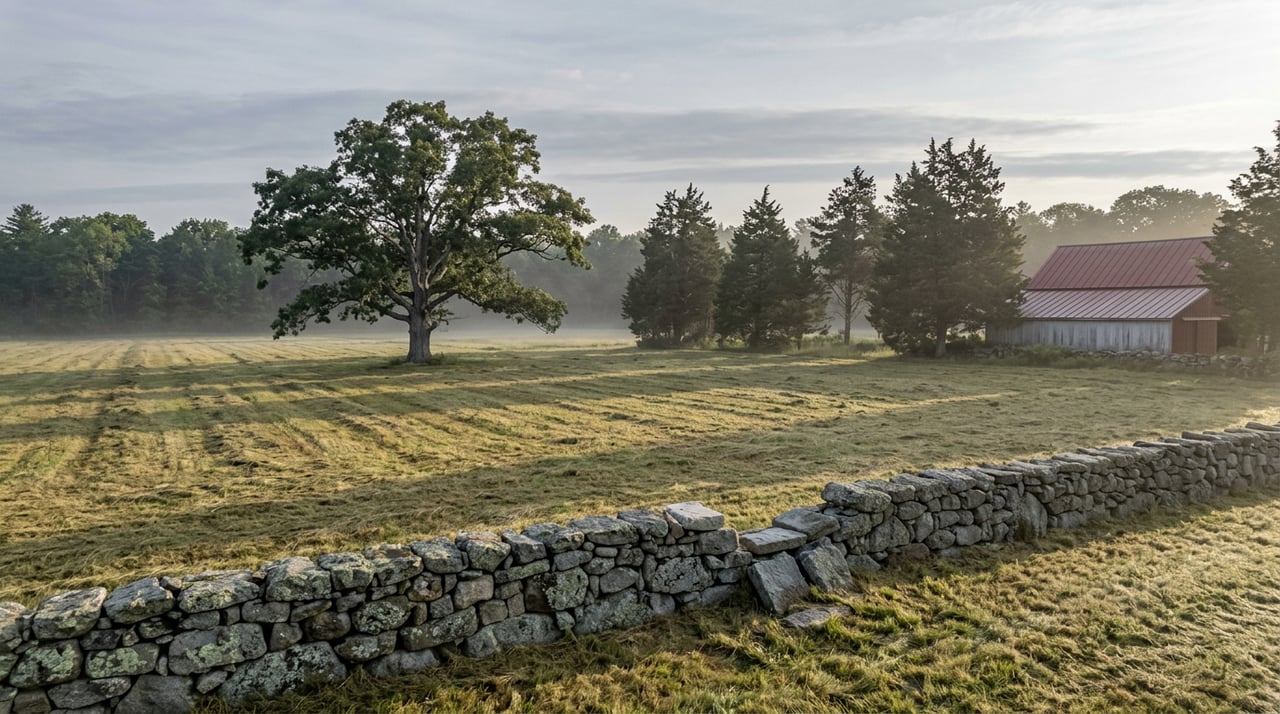
Around Middleburg, the land often matters as much as the residence itself. Views, topography, pasture layout, tree lines, access, and how the parcel can be used all play a major role in daily life and long-term value.
Loudoun County says more than 85,000 acres are protected by conservation easements. A conservation easement allows a landowner to keep ownership while giving certain rights to a land trust in order to protect farms, forests, historic sites, and natural resources.
That matters if you are considering a country estate purchase. In this part of Loudoun, conservation values are not a side topic. They are often central to how a property is enjoyed, maintained, improved, and passed on.
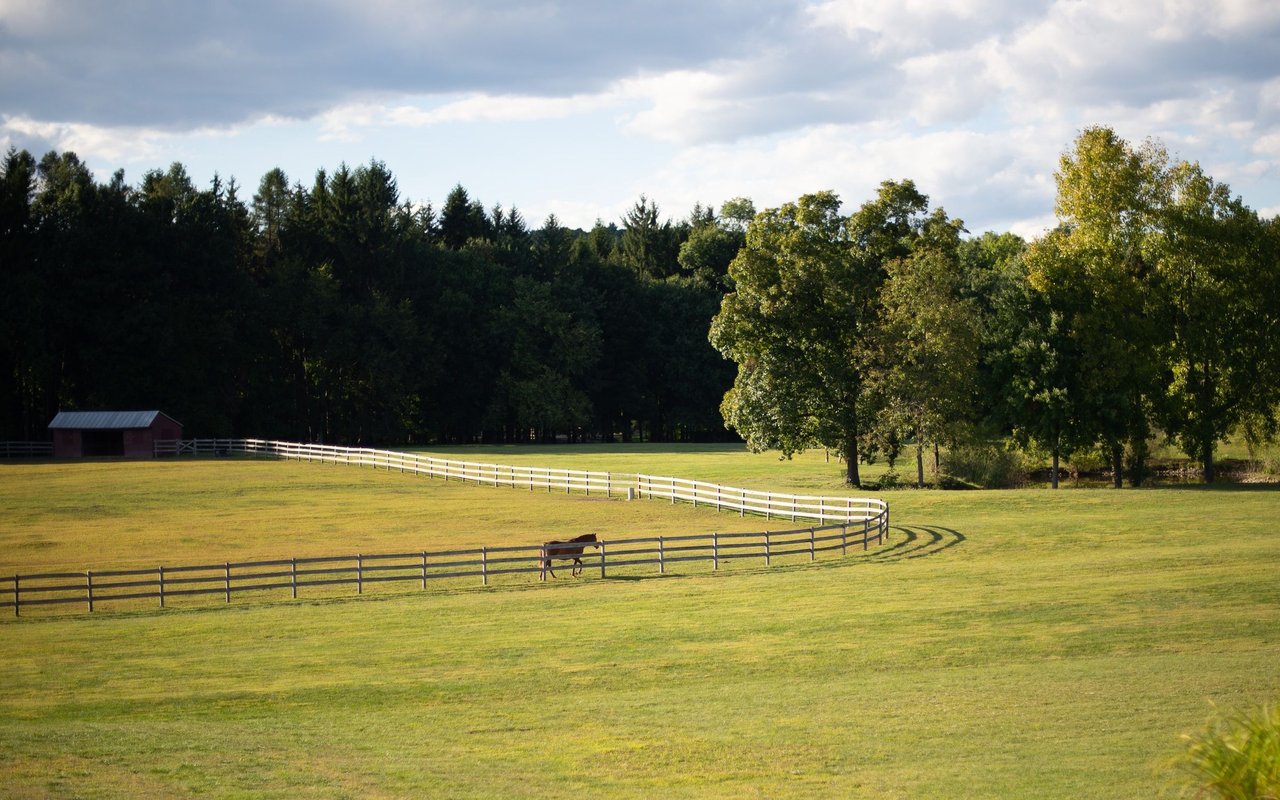
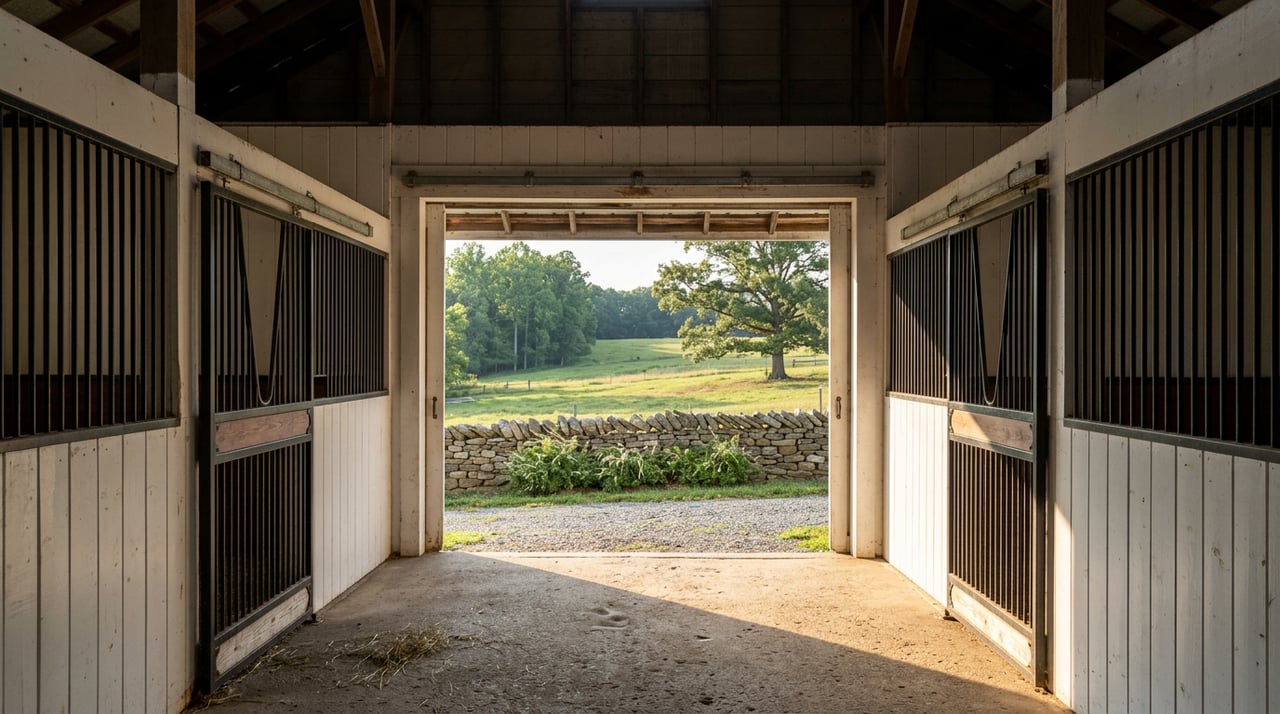
Even if you are not an active rider, the equestrian identity around Middleburg influences the look and rhythm of the area. Fenced fields, barns, riding rings, and trail access are part of the visual language of Hunt Country.
Nearby Salamander Middleburg reflects that identity in a very visible way. The resort sits on 340 acres and includes a 14,000-square-foot stable, 22 stalls, nine paddocks, an outdoor riding arena, trail rides through wooded trails, and overnight stabling.
Public spaces support that lifestyle too. The town walking map highlights the Hill School’s 20-acre arboretum and public trails, and Loudoun County maintains equestrian trailheads such as Evergreen Mills, a four-mile multiuse trail with horse-trailer parking.
If horses are part of your plan, this setting can be especially appealing. If they are not, you still benefit from the open-space pattern and land stewardship that equestrian use helps support.
One of the most important things to understand is that Middleburg offers two related but distinct experiences. There is the historic town itself, and then there is the surrounding rural landscape of western Loudoun County.
Inside town, you get a compact village setting with historic character and a walkable core. Outside town, you are more likely to find larger parcels, open land, and estate properties shaped by rural zoning, conservation concerns, and agricultural context.
This distinction matters because it can influence what ownership looks like. A charming in-town property and a larger estate outside town may both feel distinctly Middleburg, but they often come with very different considerations.
If a property is inside the Middleburg Historic District, exterior changes visible from the street generally require historic review. The town says those changes typically need a Certificate of Appropriateness.
For some buyers, that is part of the appeal. It helps preserve the original section’s historical, architectural, cultural, and archaeological heritage and supports the town’s cohesive appearance.
For others, it is simply a factor to understand before making plans. If you are imagining updates, additions, or exterior design changes, it is wise to account for review requirements early in the process.
Outside the historic district, the conversation often shifts from preservation review to land use. Conservation easements, rural zoning, and rules tied to prime farmland soils can shape how a property is improved or used.
Loudoun County says zoning changes adopted in western Loudoun in 2024 were intended to preserve prime farmland soils and support equine and rural economy uses. For estate buyers, that means future plans should be considered carefully, especially if you are thinking about new structures, operational changes, or land division.
This is where experienced guidance becomes valuable. A beautiful property can still require close review of use restrictions, improvement options, and the practical details that come with larger acreage.
Country living near Middleburg is not isolated living. One of the area’s strengths is that scenic rural property and an active social setting can exist side by side.
Loudoun County tourism describes the region as DC’s Wine Country, with more than 50 wineries and tasting rooms about 25 miles from Washington, DC. Around Middleburg, you also have well-known local names such as Cana Vineyards, Greenhill Vineyards, Boxwood Estate Winery, and Lost Barrel Brewing.
Inside the village, the walking map shows a dense cluster of restaurants, inns, bars, and gathering places. That mix helps Middleburg feel lived-in rather than staged, which is important if you want a country property that supports both quiet weekends and easy entertaining.
Part of imagining life on a country estate is picturing the calendar, not just the house. In Middleburg, the year has a strong seasonal rhythm shaped by local events and sporting traditions.
The town’s signature events include Christmas in Middleburg, Independence Day, Oktoberfest, Art in the Burg, Middleburg Day, Juneteenth, National Night Out, the Middleburg Film Festival, Middleburg Spring Races, the Middleburg Hunt Point-to-Point, Upperville Horse Show, and Virginia Fall Races.
That variety gives the area an energy that goes beyond tourism. It means there are natural moments throughout the year when town, countryside, and tradition come together in a very visible way.
Middleburg’s identity is supported by more than scenery and events. The town’s museums, community institutions, dining core, and lodging options all reinforce that this is a working rural town with a strong sense of place.
The National Sporting Library & Museum focuses on equestrian, angling, and field sports literature, art, and culture. The Masters of Foxhounds Museum and Museum of Hounds and Hunting North America also reflect the area’s long connection to sport and land stewardship.
At the same time, the town includes practical community assets such as a library, community center, charter school, and walkable commercial core. For buyers, that combination can make estate life feel grounded and usable, not just picturesque.
When you imagine life on a country estate around Middleburg, it helps to think in two directions at once. First, picture the lifestyle: open land, historic charm, horses, trails, wineries, and a full calendar of seasonal traditions.
Then picture the practical side with equal clarity. Consider whether the property sits inside the historic district or outside it, how the land is regulated, what stewardship responsibilities come with ownership, and how your plans fit the parcel itself.
That balance is often what separates a lovely idea from the right purchase. The best estate decisions here are usually informed by both emotion and careful property-level review.
Middleburg-area estate purchases often involve more moving parts than a standard residential transaction. The land may carry restrictions, the improvements may require technical review, and the value may be tied to features that are highly specific to rural and equestrian use.
That is why local knowledge matters. Understanding paddock layout, stable function, access, conservation considerations, and property-use realities can make a real difference when you are evaluating whether a property truly fits your goals.
If you are exploring a country estate around Middleburg, the process should feel thoughtful and well guided from the start. To discuss your plans with a trusted local specialist, schedule a confidential consultation with Debbie Meighan.


Debbie's mission is to connect qualified buyers and motivated sellers to cement the best real estate transactions, deals where both sides come together for a common goal, and everyone feels like they have walked away a winner.