Prince William County Is Paying Landowners to Stay Rural. It's Also Studying How to Rezone Them.
September 17, 2026
September 17, 2026
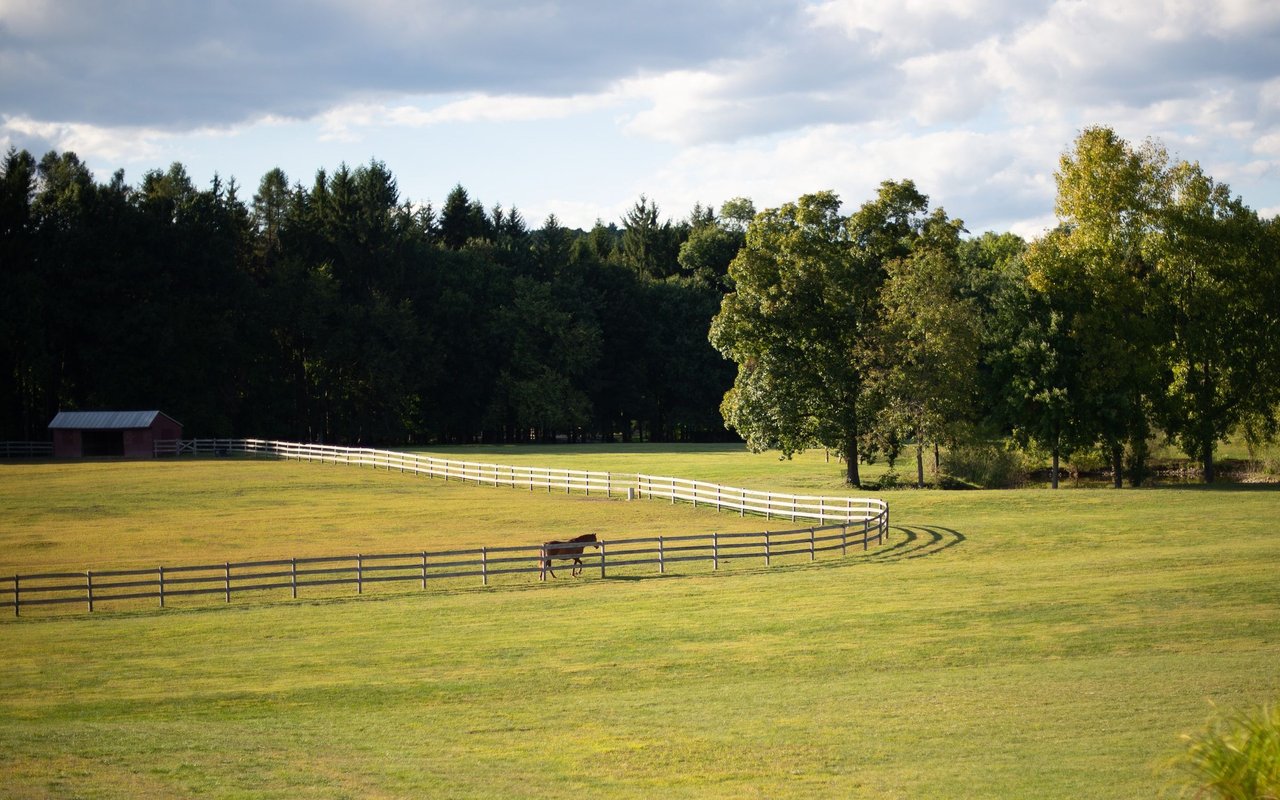
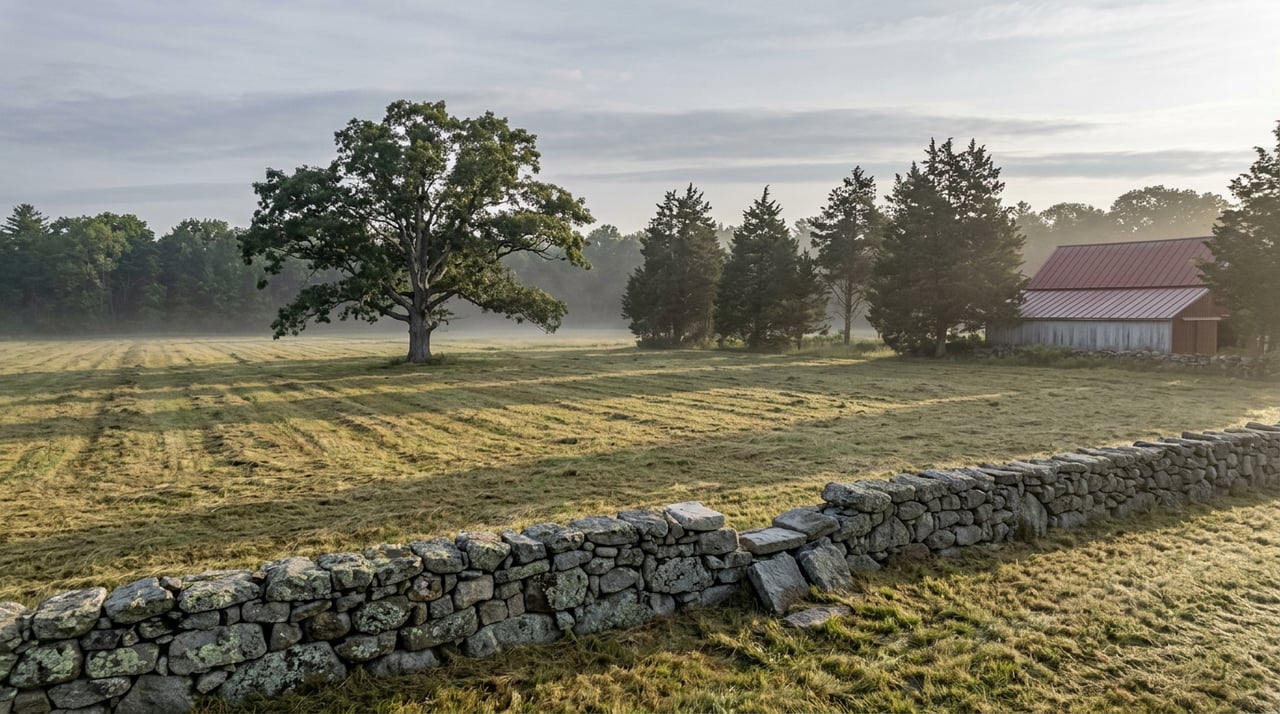
Picture two twelve-acre parcels a few miles apart in western Prince William County, both zoned the same way, both fenced for hay, both sitting inside the county's rural crescent. A buyer runs comps and gets two wildly different answers for what an acre there is worth. Nothing about the soil, the road frontage, or the fencing explains the gap. The explanation is sitting in a county planning file, not a property inspection report.
That gap is not a data error. It is the visible seam of a genuine policy split that Prince William County is running on itself this year. In the same stretch of 2026, the county opened a program that, according to Prince William County, pays landowners to permanently retire their right to develop rural land, and the Board of County Supervisors voted to study rezoning nearly 550 acres of that same rural-designated land for thousands of new homes. Both are real. Both are current. And a buyer who doesn't know which one applies to a given parcel is going to misprice it.
According to InsideNoVA, the rural crescent dates to 1998, when the Board of County Supervisors drew a line around the county's western and southern land and capped it at one home per ten acres, with public sewer extensions largely off the table. Depending on which county source you check and when it was measured, that protected area covers somewhere between 80,000 and 117,000 acres, a discrepancy that itself tells you the boundary has been redrawn and re-argued more than once over the past three decades. What hasn't changed is the basic bet the policy makes: keep density low, keep infrastructure spending concentrated in the parts of the county that already have it, and let the rural west stay rural.
That bet is now being tested from two directions at once.
According to the Prince William Times, on July 21, 2026, the Board of County Supervisors voted 5-3 to initiate comprehensive plan amendments for two assembled tracts in the Gainesville District: Manassas Preserve, roughly 256 acres along General Trimbles Lane near the western edge of Manassas National Battlefield Park, and Catharpin Valley Estates, roughly 293 acres along Catharpin Road where 30 individual properties currently sit. County planning materials put the combined maximum build-out at 3,718 potential dwellings, a number local reporters have rounded to nearly 4,000. Chair Deshundra Jefferson and Gainesville Supervisor George Stewart voted no on both, joined by Brentsville Supervisor Tom Gordy. County planning staff had recommended denying both before the vote.
Less than a month later, on August 17, 2026, Prince William County announced it was extending the application window for its brand-new Purchase of Development Rights program, the first of its kind in Prince William, from an original August 31 close to September 30, 2026. The program pays landowners with at least 20 contiguous acres of agricultural land to permanently retire the development rights on that land in exchange for compensation, recording a permanent open-space easement.
One program is asking landowners to lock rural land in place forever. The other is studying whether to let rural land become subdivisions. Both are aimed at the same geography, in the same year, under the same Comprehensive Plan.
It's worth sitting with what the county's own planners said before the vote, because it's the part easiest to miss in a headline about nearly 4,000 homes. Staff recommended against initiating the higher-density study for Catharpin Valley Estates specifically, citing unresolved questions about a needed groundwater study and offered a lower-intensity conservation residential alternative instead. Supervisor Stewart, whose district includes both properties, raised the same groundwater concern from the dais. The board moved forward anyway.
Two of the supervisors who voted yes were explicit that a yes vote wasn't a final commitment. As the Prince William Times reported, Coles Supervisor Yesli Vega said:
"This is an opportunity for us to study this area. It's not an approval."
As Bristow Beat reported, Occoquan Supervisor Kenny Boddye made a similar point, on the record, that initiating a comprehensive plan amendment does not commit his vote to adopting it or to any subsequent rezoning. And the same board, the week before, had voted to deny a separate comprehensive plan initiation known as Dulles Cloud South. This is an active, contested process, not a rubber stamp.
The corridor has also been through this kind of fight before under a different name. The land near General Trimbles Lane and Catharpin Road sits close to what was once the Prince William Digital Gateway, a proposal for as many as 37 data centers across roughly 1,700 acres that was abandoned after a long court battle. The specific use under discussion changed from data centers to housing, but the underlying dynamic, landowners in the rural crescent fielding offers to assemble their acreage for a large-footprint rezoning, has repeated itself on the same stretch of ground.
Here is where the pricing gap actually shows up in the data, and it's not subtle once you separate parcels by size. A county-by-county survey of Virginia land prices published last fall, broken out by acreage band, found that in the 10 to 20 acre range, Prince William County land priced close behind Loudoun County's premium horse country and ahead of Fairfax County:
| County | Median price per acre, 10 to 20 acre parcels |
|---|---|
| Loudoun County | $75,000 |
| Prince William County | $65,625 |
| Fairfax County | $60,000 |
Move up to the same survey's larger-tract figures, the size range where a parcel starts to look like something a developer could actually assemble into a project, and Prince William drops to the back of the pack:
| County | Median price per acre, larger tracts |
|---|---|
| Loudoun County | $33,750 |
| Fauquier County | $22,500 |
| Prince William County | $20,625 |
Some of that spread is just how land pricing works everywhere: bigger tracts almost always trade for less per acre than small ones, in every county, for reasons that have nothing to do with zoning politics. But Prince William is the only one of these three counties currently running a live Purchase of Development Rights program and simultaneously studying a nearly 4,000-home rezoning on the same class of land. That combination doesn't exist next door in Fauquier or in Loudoun right now. In Prince William, the ordinary large-acreage discount is sitting on top of a real, current decision point: is this tract more valuable locked into a conservation easement, folded into an assemblage betting on rezoning, or neither, waiting under the ordinary ten-acre rule while the county makes up its mind.
Before you price a rural-crescent tract off a comp sheet, a few questions will tell you more than the per-acre average ever will:
None of these questions show up in a median price per acre. All of them determine which of the two 2026 stories actually applies to the ground you're standing on.
Does applying for the Purchase of Development Rights program guarantee my land stays rural forever? If your application is accepted and the county completes the purchase, yes, the easement is permanent and recorded against the property. Being eligible or applying does not guarantee selection. The county evaluates applications through a ranking process, and meeting the baseline criteria doesn't guarantee the development rights will be purchased.
Does the July 2026 vote mean Manassas Preserve and Catharpin Valley Estates will definitely become subdivisions? No. The vote authorized a study, not a rezoning. The same board denied a different initiation request the week before this one passed.
Land in Prince William County's rural west is being priced right now by two different theories of what it will become, and most of the generic market data floating around doesn't distinguish between them. If you're weighing a parcel in the rural crescent, or comparing it against acreage in Fauquier or Loudoun, that distinction is worth more than another median price chart. Debbie Meighan works this exact terrain, from paddock layout to permitting to the zoning fights that decide what a tract can become. Schedule a confidential consultation to discuss your estate.
This article is general information, not legal, tax or financial advice. Consult a qualified professional about your situation.


Debbie's mission is to connect qualified buyers and motivated sellers to cement the best real estate transactions, deals where both sides come together for a common goal, and everyone feels like they have walked away a winner.