Strategic Tips For Selling A Country Estate Near Warrenton
June 11, 2026
June 11, 2026
If you are selling a country estate near Warrenton, you are not just putting a house on the market. You are presenting land, improvements, utility systems, and a lifestyle that buyers will evaluate as one complete package. That can feel like a lot to organize, but the right strategy can help you protect value, reduce surprises, and attract serious buyers from the start. Let’s dive in.
Warrenton sits about 45 miles southwest of Washington, D.C., and the town describes itself as the gateway to Virginia’s Piedmont region. That matters because buyers in this area are often looking for scenic land, privacy, agricultural utility, equestrian features, and a property with a strong sense of place.
The local numbers also show why broad averages can be misleading. Recent reports place Fauquier County and Warrenton home values and listing prices at very different levels depending on the source, with some trackers showing much higher asking prices than recent median sale data. For a country estate, that is a clear signal to price from property-specific comparable sales, not from countywide averages alone.
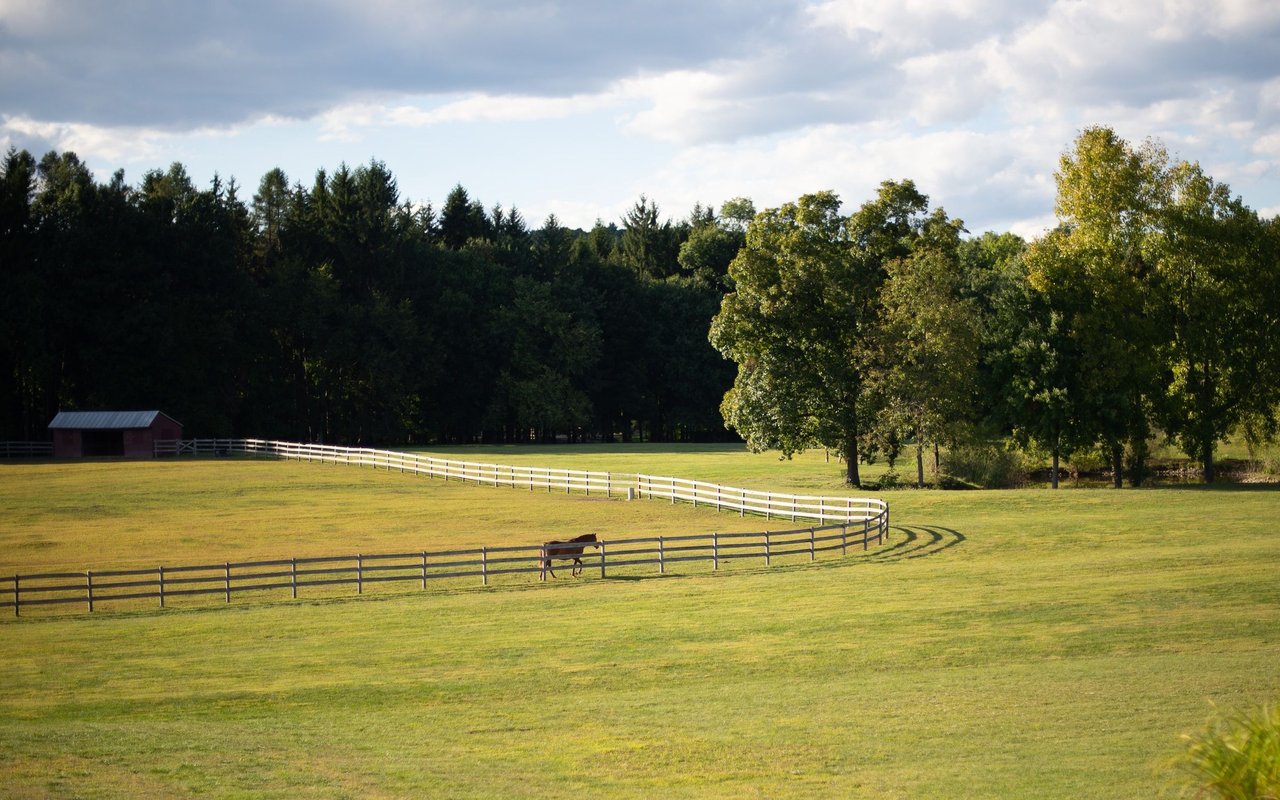
Fauquier County’s agricultural profile reinforces that point. The 2022 Census of Agriculture counted 1,040 farms and 188,562 acres in farms, with substantial pastureland and woodland across the county. Horses and ponies remain a visible part of the local economy, which means buyers may place real value on usable acreage, fencing, water access, barn layout, and road approach, not just the main residence.
A country estate near Warrenton should be priced as more than one asset. In many cases, the home, the land, and the property’s permitted or restricted uses each affect what a buyer is willing to pay.
Start by separating value into clear categories:
This approach matters because not all acres are valued equally. A parcel with useful pasture, sound drainage, organized paddocks, and logical barn placement may compete differently than a parcel with the same size but less practical use. In this market, function often carries as much weight as square footage.
For many rural and estate properties, paperwork is just as important as presentation. Buyers for larger country properties often want answers early, and missing records can slow momentum or create unnecessary concern.
Virginia’s Department of Professional and Occupational Regulation says sellers must complete the Residential Property Disclosure Acknowledgement and Statement. Depending on the property, sellers may also need forms related to septic waivers, flood risk information, or building code enforcement and zoning ordinance violations.
Virginia’s Department of Health also notes that well inspections or well-water testing are not required by the state for a property transfer, but lenders or local governments may require them. The agency recommends obtaining well records from the local health department and reviewing septic permits, design capacity, and inspection history well before closing.
That makes an organized pre-listing file especially useful. If you can answer basic questions quickly, you create confidence and help qualified buyers move forward.
In Fauquier County, zoning approval is required before any new structure is built, including agricultural buildings. Approval is also required before grading, land disturbance, or a change in use.
That means barns, arenas, guest houses, sheds, and other improvements should be reviewed before the property goes live. If you have permits, approvals, or supporting records, gather them now. If records are incomplete, it is better to understand that early than to let a buyer uncover the issue during due diligence.
For estate buyers, outbuildings are rarely just extras. They may be central to how the property is used and valued. A clean record on those structures can make your listing easier to understand and easier to trust.
Well and septic systems often become major discussion points in country property sales. The best time to deal with those questions is before the listing launches, not after an offer arrives.
Virginia’s Department of Health recommends reviewing septic permits, design capacity, and inspection history well before closing. It also notes that if a renovation would increase bedroom count, the septic system may need to be modified or replaced to handle the higher design flow.
That detail matters for two reasons. First, it helps you describe the property accurately. Second, it helps you avoid confusion if a buyer is comparing bedroom count, guest accommodations, or future plans for the estate.
Country estates in Fauquier County may carry tax benefits or restrictions that directly affect buyer interest and final value. These details should never be an afterthought.
Fauquier County says land-use assessment defers taxes on qualifying agricultural, horticultural, forestry, and open-space land. Its tax FAQs also state that changes in use, rezoning, or subdivision can trigger rollback taxes based on the difference between land-use value and fair market value for the current year and the previous five tax years, plus interest.
Some properties may also be subject to conservation easements or have sold development rights through the county’s Purchase of Development Rights program. Fauquier County notes that owners can sell development rights while keeping land in agricultural use, and conservation easement terms generally run with the land and are recorded in county records.
Buyers often want a simple answer to a complex question: What can I do with this property? Your listing should explain, in plain language, the current land-use status, any known restrictions, and whether rollback taxes or development limits may apply if the use changes.
That clarity does two important things. It helps you attract buyers whose goals actually fit the property, and it reduces wasted showings with buyers who may not be a match.
When sellers prepare a country estate for market, it is easy to assume a major renovation will produce the best return. The research suggests a more measured approach.
National staging research found that 29% of agents saw staged homes receive offers that were 1% to 10% higher, while 49% said staging reduced time on market. That points to the value of thoughtful presentation rather than automatically taking on expensive remodels.
For a property near Warrenton, smart prep often includes:
Buyers in this segment are often very detail-oriented. They notice practical condition as much as visual style. A tidy, well-documented property tends to feel better cared for, and that can strengthen your position when offers come in.
Many buyers begin their search online, and some evaluate homes in depth before ever scheduling a visit. For a country estate, your online presentation needs to work like a first showing.
Marketing should not stop at the front door. Buyers need to understand the house, the acreage, the outbuildings, and the property systems. If that story is incomplete online, your listing may fail to communicate its real value.
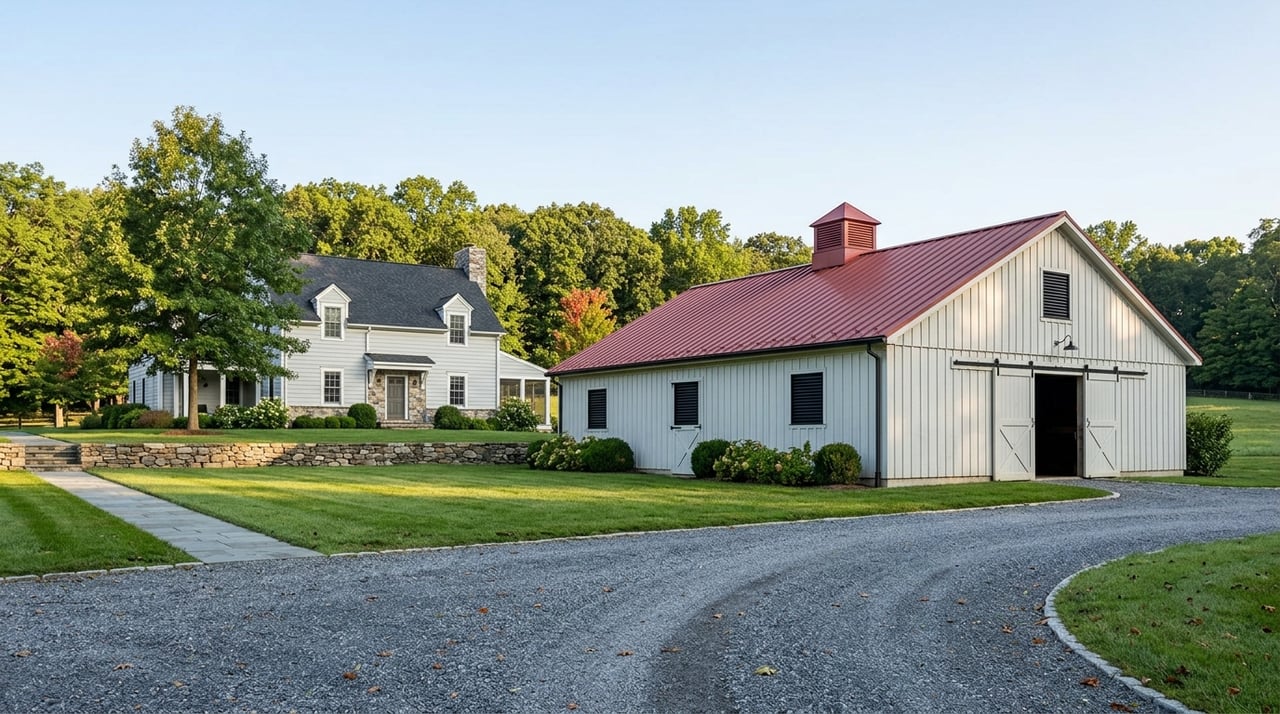
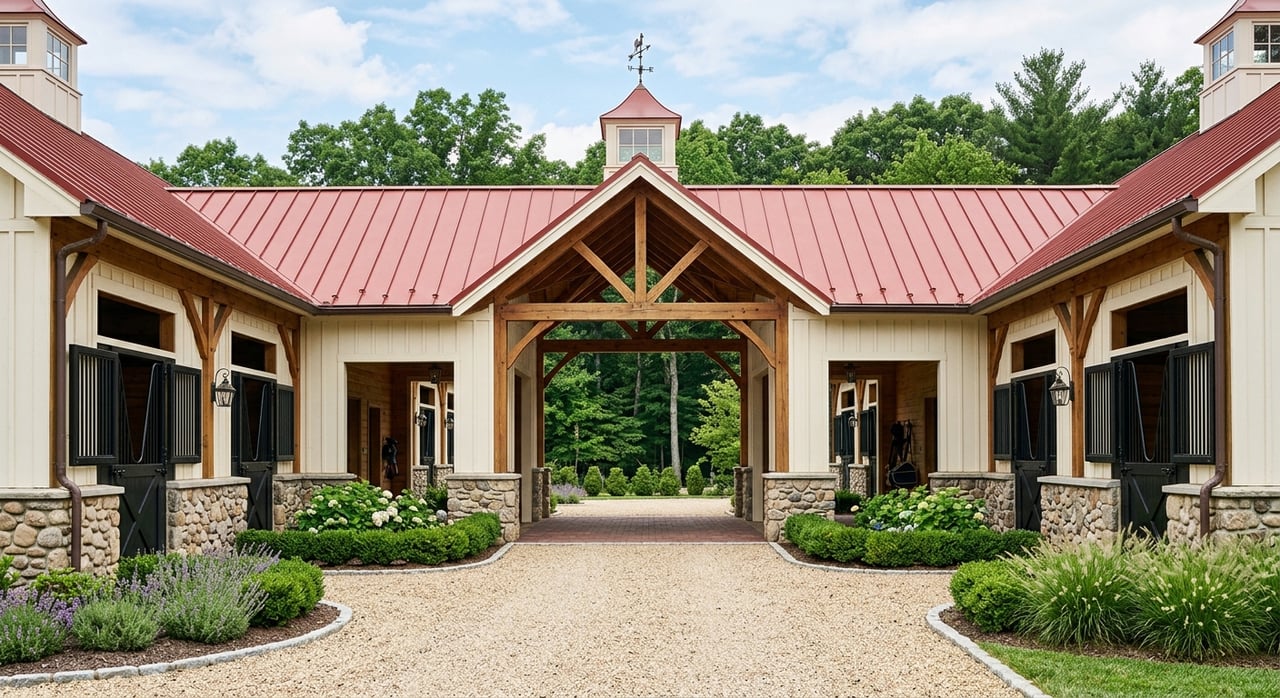
For a rural or equestrian estate, visual storytelling should explain how the property lives. Buyers may want to see barn interiors, paddock organization, road access, fence lines, and the relationship between home, land, and support buildings. When that story is told clearly, the listing can reach buyers who are serious and well-informed before they ever step on site.
Showings for a country estate are different from showings for a standard in-town home. These properties take more time to tour, and buyers often need context to understand what they are seeing.
A strong showing plan helps filter for serious interest. It also allows you to present the estate in a way that highlights usability, not just appearance.
Consider a showing strategy that includes:
This is especially important in a market where a buyer may be comparing multiple large properties with very different strengths. The more clearly your estate’s features are presented, the easier it is for the right buyer to recognize the fit.
For a country estate near Warrenton, general real estate experience is helpful, but specialized rural knowledge is often what protects value. Buyers and sellers are dealing with more moving parts, from septic and wells to zoning, agricultural structures, tax treatment, and conservation issues.
Research shows that most buyers and sellers work through an agent or broker, and sellers particularly value help with pricing, marketing, identifying qualified buyers, and deciding what to fix before sale. In this segment, the right advisor should also understand the technical side of the property and know how to communicate that clearly.
That means looking for an agent who can speak confidently about:
A strong country estate listing is part pricing exercise, part documentation project, and part storytelling. You want someone who can manage all three.
The best strategy for selling a country estate near Warrenton is not to make the property seem simpler than it is. It is to present complexity clearly and calmly.
When you organize records, price the estate by its true components, and market the land and improvements with purpose, you give buyers the information they need to act with confidence. That usually leads to better conversations, better-qualified interest, and a smoother path to closing.
If you are preparing to sell a farm, equestrian property, or country estate in Fauquier County, Debbie Meighan can help you position the property thoughtfully and confidentially.
Debbie's mission is to connect qualified buyers and motivated sellers to cement the best real estate transactions, deals where both sides come together for a common goal, and everyone feels like they have walked away a winner.