Fairfax County Homeowners Planning A Future Move To Hunt Country
July 9, 2026
July 9, 2026
Are you starting to picture a quieter future beyond Fairfax County, with more land, open views, and a home that feels tied to the countryside? If so, you are not alone, but this kind of move takes more planning than a simple change of address. When you trade suburban convenience for Hunt Country living, you also step into a different set of property rules, utility systems, and location choices. Here is what to think through now so your future move feels informed and manageable.
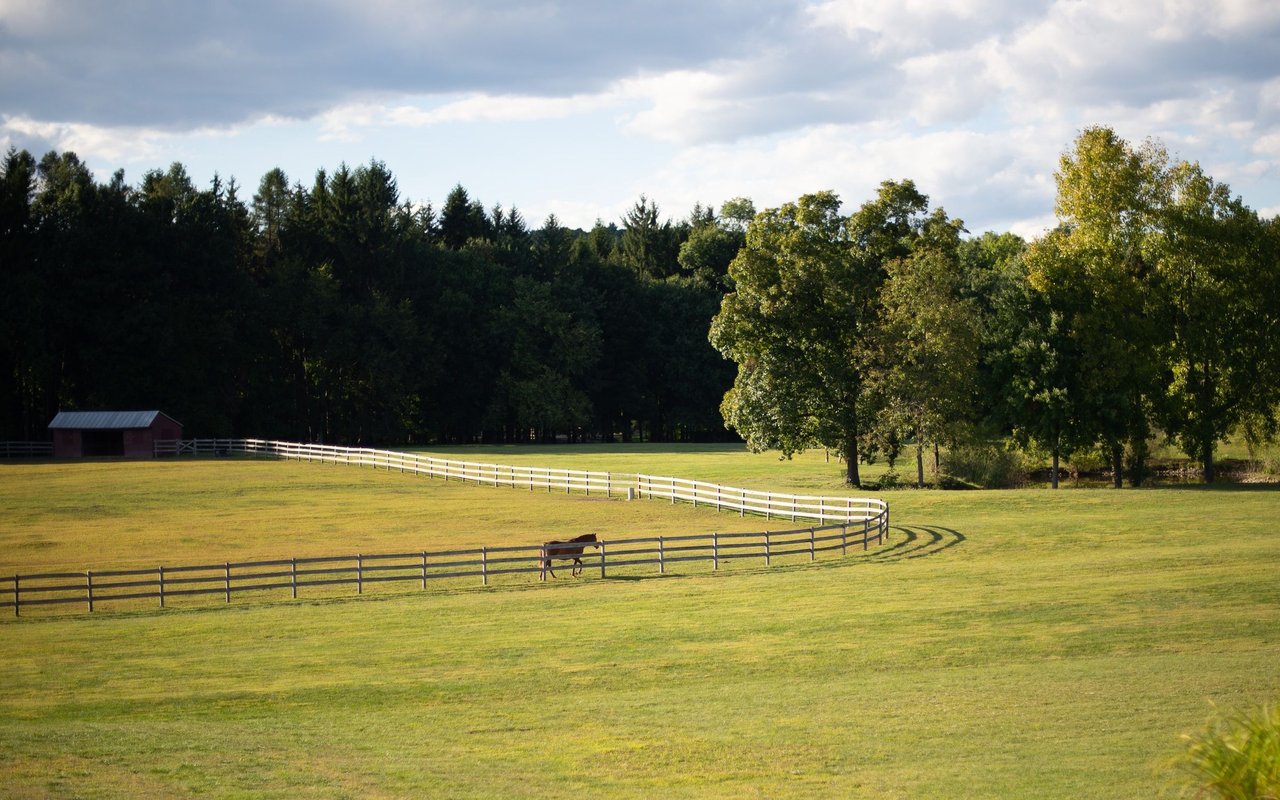
When people in Northern Virginia talk about Hunt Country, they usually mean parts of Loudoun and Fauquier Counties known for horse farms, scenic land, and historic villages. Loudoun County notes that it is home to more than 15,000 horses, and Middleburg is widely described as America’s Horse and Hunt Country Capital. Fauquier County also frames its identity around a rural landscape shaped by farms, villages, and a long equestrian tradition.
That matters because Hunt Country is not one single housing market. It is better understood as a pattern of open land, working farms, equestrian properties, and small settlements with distinct identities. In Loudoun, places like Aldie, Bluemont, Lincoln, Lucketts, Paeonian Springs, Philomont, Waterford, and Willisville reflect that village-based structure, while Fauquier’s planning framework includes 43 villages and 3 towns, including Warrenton, Remington, and The Plains.
If you own in Fairfax County, your current home may be an important part of how you fund your next chapter. Fairfax County’s 2024 real estate assessment notice reported that average residential assessments rose 2.86%, and the average assessment for all homes was $744,526. That does not tell you exactly what your home will sell for, but it does reinforce that Fairfax remains a high-value market where timing can matter.
For many homeowners, the best move is to start planning before they are ready to list. That gives you time to think about home preparation, possible sale timing, and what kind of rural property actually fits your goals. It also helps you avoid rushing into a purchase that looks appealing at first glance but comes with land or utility issues you did not expect.
A future move to Hunt Country usually starts with one big question: do you want to stay closer to Fairfax, or are you ready for a more rural setting? Western Loudoun and Fauquier can both fit the vision, but they offer a different day-to-day feel.
Western Loudoun is often the easiest transition for Fairfax homeowners who want countryside character without fully leaving the Northern Virginia orbit. Loudoun’s policy framework designates the western two-thirds of the county as the Rural Policy Area, where the goal is to support rural economy uses and limited residential development. That planning approach helps preserve the open-land character many buyers are looking for.
In practical terms, western Loudoun often gives you a blend of scenic land, village centers, and access back toward the broader metro area. It can be a strong fit if you want a Hunt Country atmosphere while keeping a closer connection to Fairfax, Dulles, or other familiar destinations.
Fauquier County is typically a bigger leap, but for many buyers that is exactly the point. The county reports an estimated 2024 population of 75,865 across 648 square miles, which works out to roughly 117 people per square mile. By comparison, Fairfax County has about 1,196,475 residents across 391 square miles, or roughly 3,060 people per square mile, while Loudoun has about 446,530 residents across 520 square miles, or roughly 859 people per square mile.
Those numbers offer a simple way to understand the shift. Fauquier generally delivers more rural scale, more land, and a stronger village-and-farm setting. Areas such as The Plains, Upperville, and Marshall reflect that setting, with small community centers surrounded by farms and horse properties.
One of the biggest mistakes buyers make is focusing almost entirely on the house. In Hunt Country, the land, systems, and restrictions can matter just as much as the square footage or finishes.
Many rural properties rely on private wells and onsite sewage systems rather than public utilities. According to the Virginia Department of Health, private well owners are responsible for testing their water, and annual testing is a good idea. The state also says homeowners with onsite sewage systems are responsible for maintenance and recordkeeping.
For you, that means well and septic due diligence should start early. You want to understand not only whether the systems exist, but also their condition, maintenance history, and any records tied to the property. This is one of the clearest ways rural ownership differs from a typical Fairfax suburban home.
The parcel itself may come with important limitations or obligations. Loudoun County says more than 85,000 acres are protected by conservation easements, which are voluntary agreements that allow the owner to keep the property while conveying certain rights to help protect farms, forests, historic sites, and natural resources.
In Fauquier, Agricultural and Forestal Districts are also part of the landscape. The county says participating properties may qualify for special land use assessment and lower real estate taxes. These tools can support preservation, but they can also shape how land is used, improved, or divided, so they should be reviewed carefully before you buy.
If western Loudoun is on your shortlist, it is smart to keep an eye on county planning updates. Loudoun County approved a project to review western Loudoun rural uses and standards, with final changes anticipated in early 2027. The county says this review is being shaped with input from agricultural and conservation, business and tourism, and resident stakeholders.
That does not mean you should delay your planning. It means you should approach the search with a clear understanding that rural standards can evolve. If your future plans involve horses, outbuildings, land use, or long-term improvements, early research matters.
A Fairfax-to-Hunt-Country move often works best when you think of it as a staged transition rather than one fast event. Your current home, your future land needs, and your ideal timing all have to line up. A phased approach can make that easier.
Start with your Fairfax property and your personal timeline. Think about how soon you may want to move, what updates or repairs might help your home show well, and how much flexibility you will need on closing dates.
This stage is also where you define your next-property priorities. For example, you may care most about acreage, village proximity, a manageable estate, or room for equestrian use. The clearer you are now, the easier it becomes to sort through very different options later.
Once your goals are defined, begin narrowing target areas and property types. Not every country property functions the same way, even if the listing photos feel similar. A village-edge home, a larger parcel under easement, and an equestrian property with specialized infrastructure each call for a different level of review.
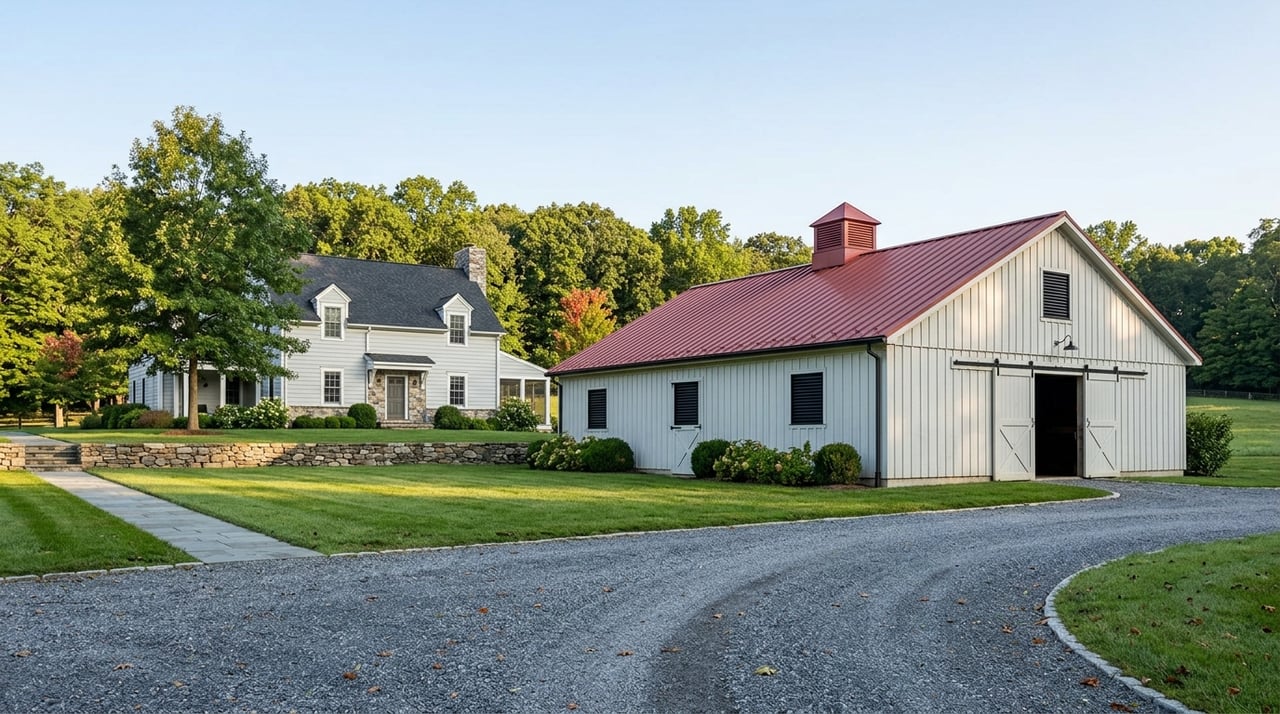
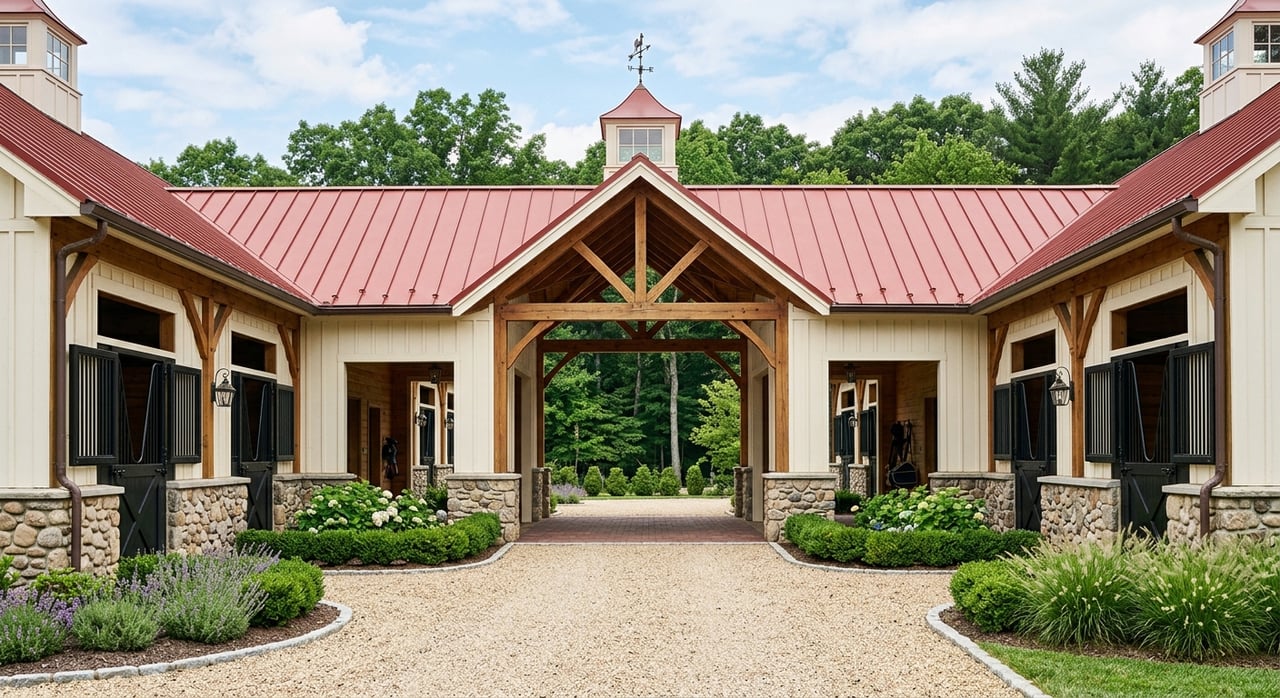
This is where local technical guidance becomes especially valuable. Rural and equestrian properties often involve questions about land use, septic, access, paddocks, barns, or long-term stewardship, and those details can affect both enjoyment and value.
Before you move too far into the search, it helps to ask practical questions that match the reality of rural ownership. A few strong questions now can save time and reduce surprises later.
A future move from Fairfax County to Hunt Country can be exciting, but the best results usually come from thoughtful preparation. The more you understand about western Loudoun, Fauquier, utility systems, and land restrictions, the more confident your decisions become. You are not just choosing a house. You are choosing a setting, a pace, and a different style of ownership.
If you are beginning to plan that transition, working with someone who understands rural property at a practical level can make the process far clearer. To discuss your goals for a future Hunt Country move, schedule a confidential consultation with Debbie Meighan.
Debbie's mission is to connect qualified buyers and motivated sellers to cement the best real estate transactions, deals where both sides come together for a common goal, and everyone feels like they have walked away a winner.