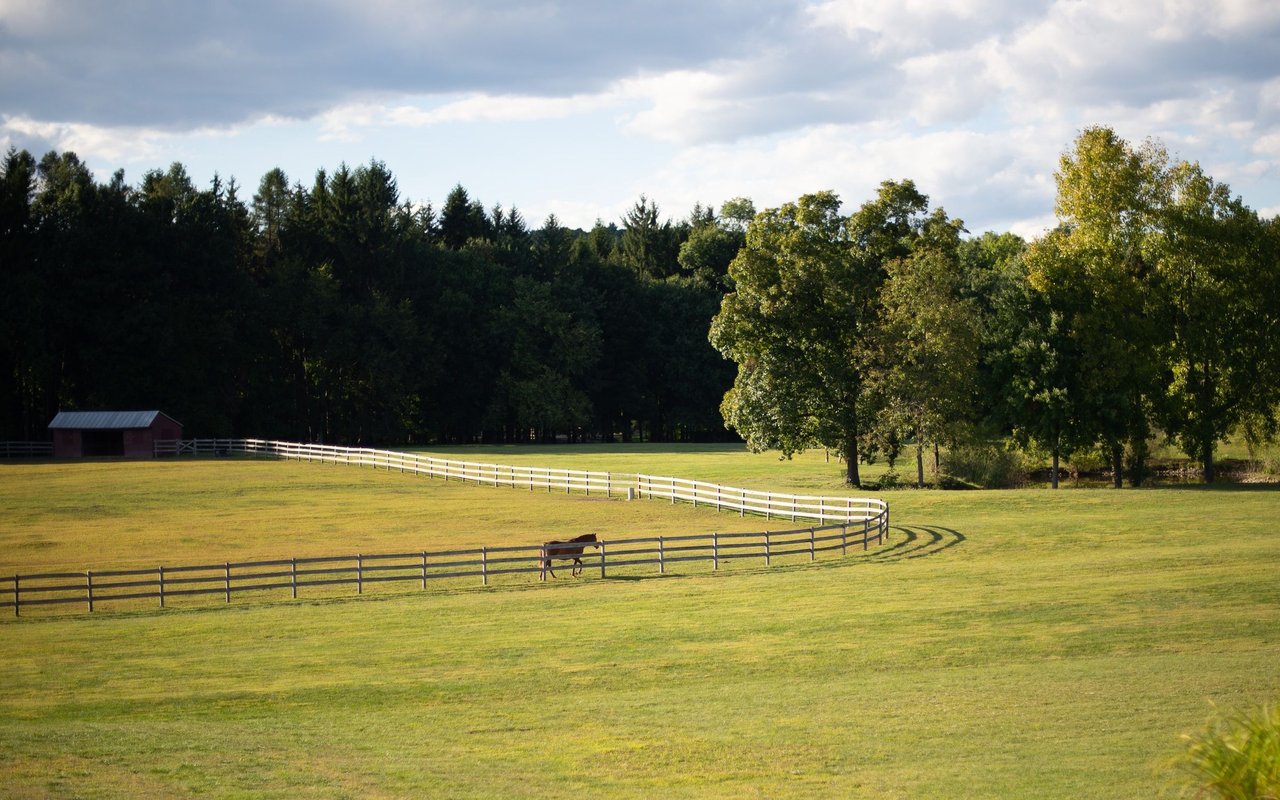
Selling In Fairfax County To Make Your Hunt Country Move
May 14, 2026
May 14, 2026
If you are selling in Fairfax County so you can trade suburbia for Hunt Country, you are not making a simple move. You are coordinating two very different property worlds, each with its own pace, costs, and risks. The good news is that Fairfax County still offers a solid selling environment, while the Hunt Country side rewards buyers who plan carefully and ask the right questions early. Let’s dive in.
Fairfax County remains active, even if it is no longer moving at the breakneck speed many homeowners remember. In February 2026, the county recorded 691 home sales, with homes averaging 28 days on market and average sales prices reaching $859,078. Active listings stood at 1,066, or about 1.5 months of supply.
That matters if you are trying to fund a country purchase with suburban sale proceeds. A market with roughly 1.5 months of supply still favors prepared sellers, but buyers are moving more deliberately than they did in the most compressed years. With 30-year fixed mortgage rates averaging 6.18% in Fairfax County’s March 2026 economic report, it makes sense to expect serious buyers to act, but with a bit more caution.
A Hunt Country property is not just a larger home with more privacy. In Loudoun County and surrounding rural markets, land use, lot size, overlays, easements, and restrictive covenants can all shape what you can do with a property. That is why a country purchase needs more technical review than a typical suburban move.
This is especially true if you are considering an estate, farm, or equestrian property. A beautiful parcel may also carry rules about access, development rights, or future improvements. If your long-term plans include additions, agricultural use, horses, or possible subdivision, those questions need attention before you get too far down the road.
In Loudoun County, the zoning ordinance is the primary land-use framework. Allowed uses, environmental features, and lot standards all affect how a property functions in real life. Some rural districts may allow subdivision by right if zoning requirements are met, but that does not mean every tract will fit every buyer’s goals.
For you as a buyer, the takeaway is simple: land has rules. When you move from Fairfax County to Hunt Country, you are not only buying a home. You are buying a set of rights, limitations, and responsibilities tied to that land.
Conservation easements are another major issue in Hunt Country. The Virginia Outdoors Foundation explains that open-space easements are permanent legal agreements that limit development rights while allowing compatible uses such as farming, forestry, and recreation. Those easements stay with the property and pass to future owners.
That permanence is important. If a property is subject to an easement, the restriction can affect additions, new structures, or subdivision potential. For many buyers, easements are consistent with a preservation-minded lifestyle, but they should never come as a surprise late in the process.
The move from Fairfax County to Hunt Country works best when you treat it as two linked transactions. On one side, you have a relatively liquid suburban listing environment. On the other, you have a rural purchase that may require added due diligence on wells, septic systems, access, title, survey matters, and land-use restrictions.
Because Fairfax homes are averaging 28 days on market, you likely have enough time to prepare your sale properly. But that does not mean you can afford to ignore the extra steps on the purchase side. Rural property questions often take longer to answer, and some issues cannot be rushed.
If much of your purchase depends on proceeds from your Fairfax sale, sequencing becomes critical. The right plan may depend on how quickly your target country property can clear inspections and document review. It may also depend on whether the seller of that rural property is flexible on timing.
Useful tools to discuss can include:
The key is not assuming one formula works for every move. A well-planned transition usually starts with understanding your net proceeds, your target timing, and the due diligence needs of the property you hope to buy.
One of the biggest practical changes between Fairfax County living and rural estate ownership is water and wastewater. In many Hunt Country areas, buyers are dealing with private wells and onsite sewage systems rather than public utility service. That shifts more responsibility to the property owner.
The Virginia Department of Health says private well owners are responsible for water safety and should test well water annually. It also states that newly constructed wells must be tested for coliform organisms. For septic systems, VDH recommends pumping conventional systems every 3 to 5 years depending on use.
VDH also advises buyers to inspect onsite sewage systems as soon as possible, preferably several weeks before closing. Major repairs or permit work can take weeks and may delay settlement. While Virginia does not require a septic inspection before transfer, a lender may require one.
That makes early diligence essential. If you are coordinating a Fairfax sale and a country purchase, you do not want a late septic or well issue to throw off both closings at once.
When you sell in Fairfax County, your net sheet should account for more than the sale price and mortgage payoff. Property-tax proration, recording-related charges, and deed-related taxes all affect what you actually take away from the closing table. Those numbers matter when you are planning a move into a more complex asset class.
Fairfax County assesses real estate at 100% of fair market value as of January 1. Its published 2026 base real estate tax rate is $1.12 per $100 of assessed value. The county’s published fee schedule also shows that deeds are subject to state tax and county tax based on the sales price or fair market value, whichever is greater, along with transfer fees, grantor tax, and other recording charges.
On the Hunt Country side, land-tax treatment may work differently than what you are used to in Fairfax County. In places such as Fauquier and Clarke counties, qualifying land may fall under use-value assessment programs governed by state law. If land changes out of a qualifying use, rollback assessment may apply.
For high-acreage buyers, this is not a small detail. It can affect holding costs, planning, and the economics of future changes. If you are looking at farmland, forest land, or a property with open-space characteristics, this deserves attention early.
A successful Fairfax-to-Hunt-Country transition usually starts with the right questions. The goal is to understand not just what you want to buy, but also how your Fairfax sale can support that purchase without unnecessary stress.
Here are a few practical questions to raise early:
These are not fringe questions. In a rural purchase, they are central to protecting both your timeline and your investment.
Selling a Fairfax County home and buying in Hunt Country calls for more than basic transaction management. You need clear pricing strategy on the suburban side and practical, technical understanding on the rural side. That combination helps you avoid costly surprises while keeping your move aligned with your goals.
This is where experienced guidance can add real value. A country property may require a sharper eye for septic, zoning, access, easements, and land-use considerations, especially when you are also trying to maximize the outcome of a Fairfax County sale. The smoother your coordination, the easier it becomes to move from one property type to another with confidence.
If you are considering a move from Fairfax County to Hunt Country, a thoughtful plan can help you protect your timing, your proceeds, and your long-term options. When you are ready to talk through both sides of the move, schedule a confidential consultation with Debbie Meighan.
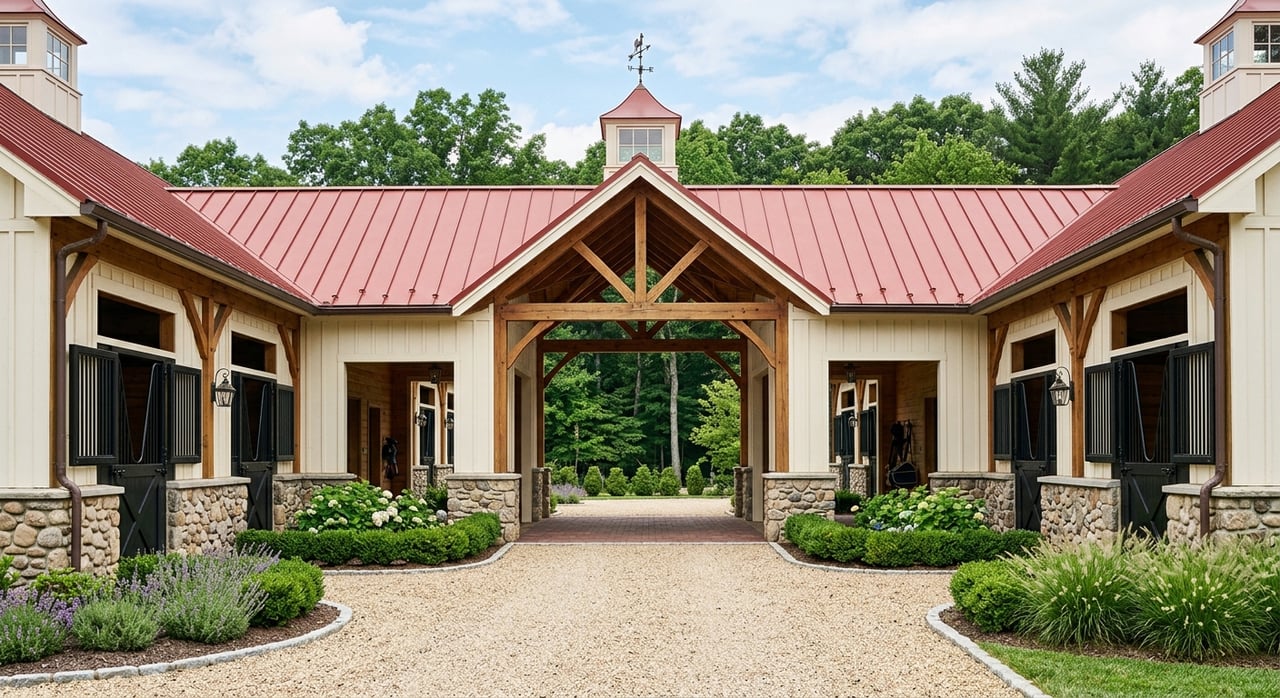

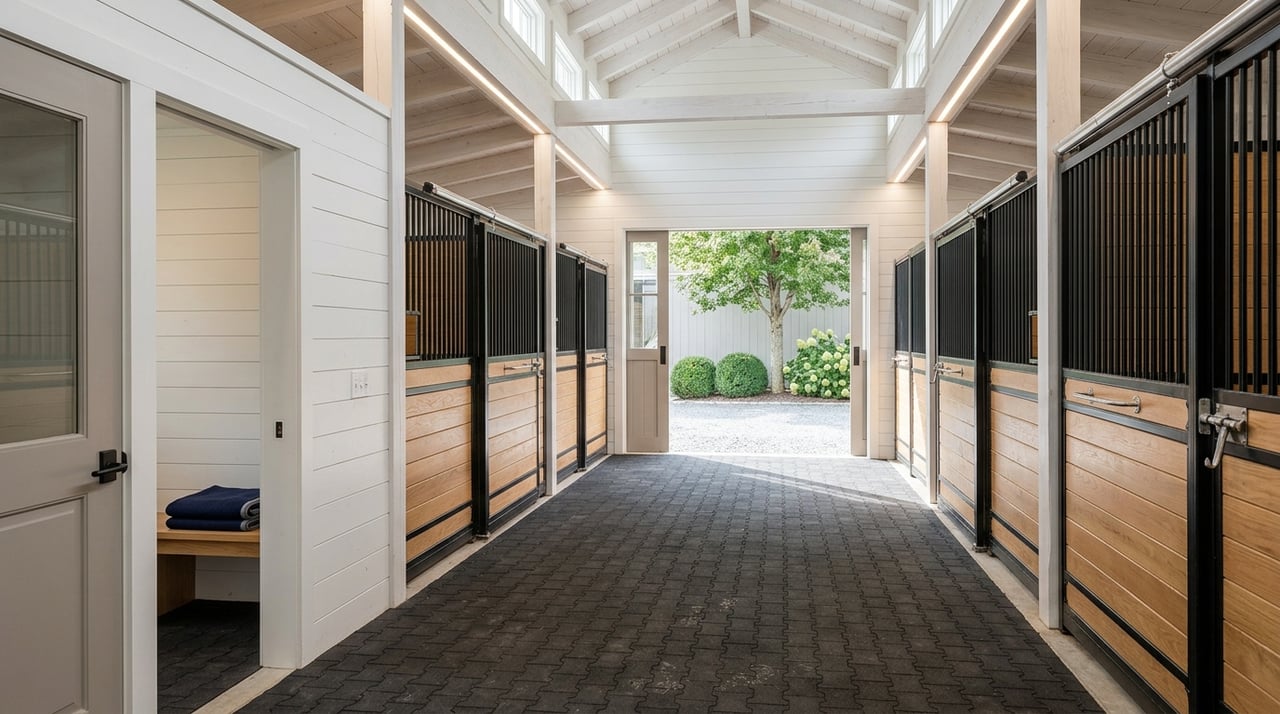

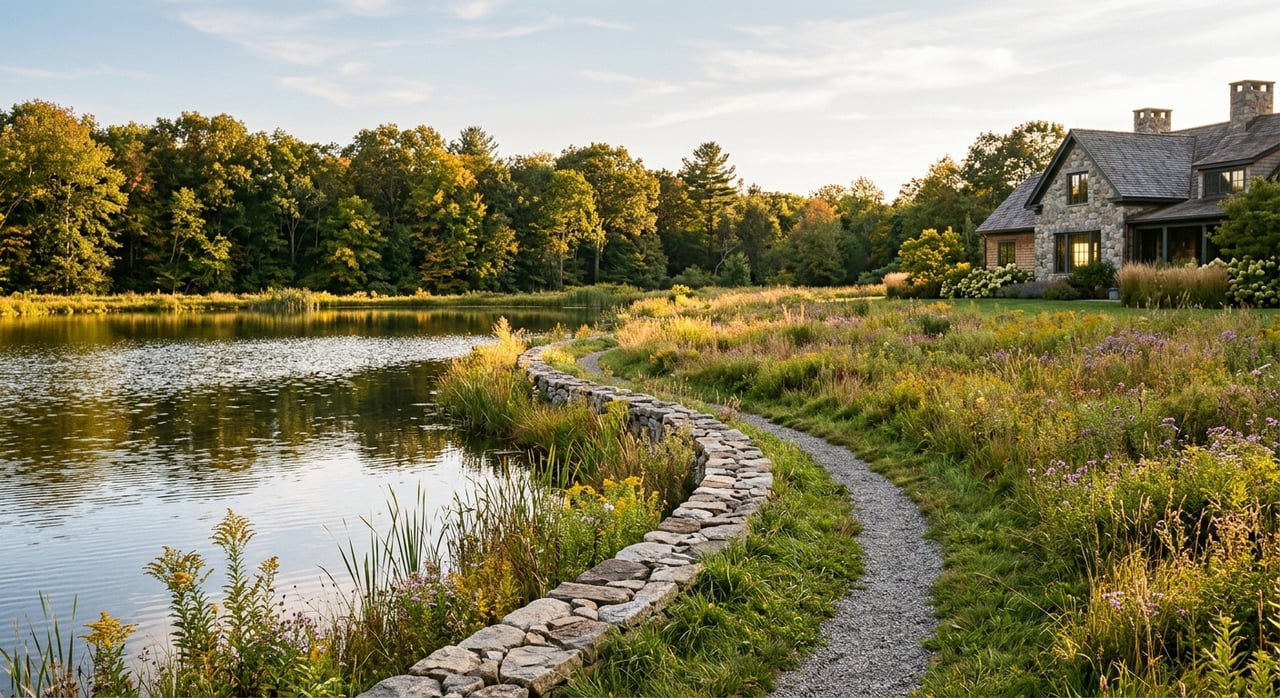

Debbie's mission is to connect qualified buyers and motivated sellers to cement the best real estate transactions, deals where both sides come together for a common goal, and everyone feels like they have walked away a winner.