How Conservation-Minded Buyers Evaluate Land In Loudoun
April 23, 2026
April 23, 2026
If you are looking at land in Loudoun County through a conservation lens, you are probably asking a different set of questions than a typical land buyer. You may care as much about protected views, healthy soils, stream corridors, and long-term stewardship as you do about raw acreage. In Loudoun, that approach matters because the county’s planning framework places real weight on rural character, natural resources, and carefully managed land use. Let’s look at how conservation-minded buyers tend to evaluate land here.
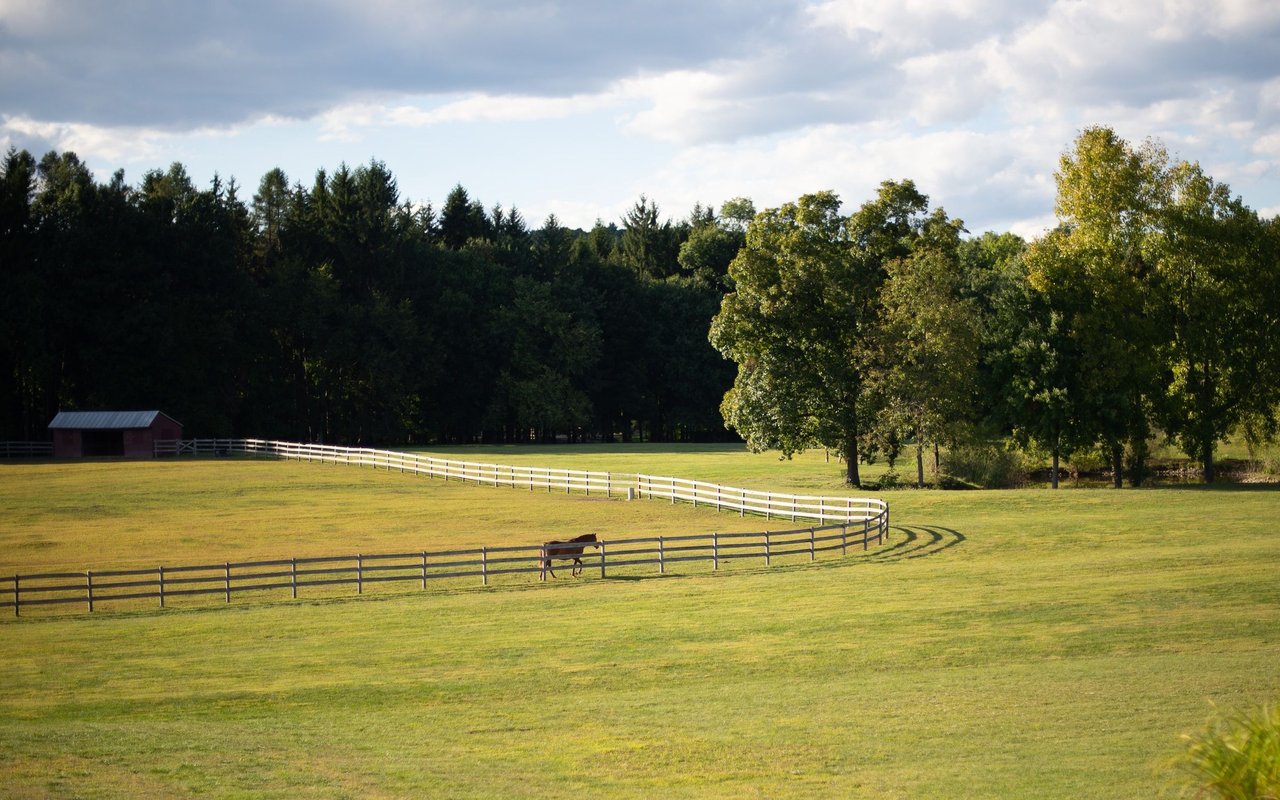
Loudoun County offers a rare mix of scenic land, working farms, equestrian properties, forests, and mountain landscapes within reach of the Washington region. In the county’s 2019 Comprehensive Plan, the Rural Policy Area covers 227,904 acres, or about 67% of the county’s land area.
That matters because the county explicitly describes this area as a working landscape shaped by farms, rural economy uses, pastoral land, forests, mountains, and wildlife habitat. The same plan calls for protecting green infrastructure such as wetlands, stream corridors, steep slopes, ridges, woodlands, habitats, trails, reservoirs, and historic resources.
For a buyer, that means land value is often tied to more than future development potential. In many cases, the appeal lies in how well a parcel fits into Loudoun’s broader conservation and stewardship goals.
A large parcel can be attractive, but conservation-minded buyers usually look beyond the number of acres. They often focus on whether the land feels intact, whether views are protected, and whether the property contributes to the rural landscape that makes Loudoun distinctive.
Loudoun’s planning framework specifically values scenic byways, vistas, open-space easements, and rural character, according to the Comprehensive Plan. Agricultural and Forestal Districts also help protect farm, forest, and open-space land that supports the county’s rural appeal.
That is why two parcels with similar acreage can be viewed very differently. A property with coherent open fields, protected sightlines, and a clear conservation story may resonate more strongly than one with fragmented usable land.
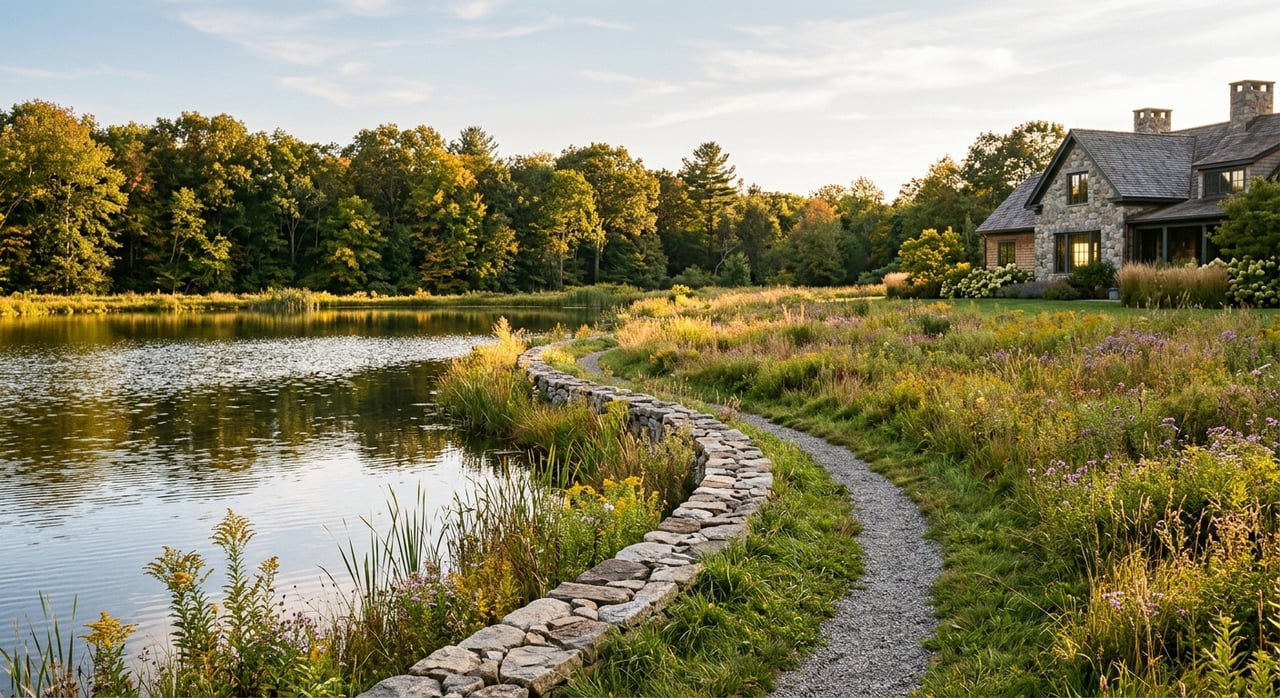
Streams, ponds, wetlands, and river frontage can add real appeal, but they also require careful review. Buyers who prioritize conservation usually want to understand both the environmental value of water features and the practical limits they may place on future use.
Loudoun treats watersheds as a primary planning unit and regulates floodplains to protect life and property. The county also uses river and stream corridor rules to protect stream banks, riparian areas, wildlife, and water quality by reducing runoff and sediment, as explained on its watersheds and hydrology resources.
Groundwater also matters in many rural transactions. The county notes that about 20% of residents, mostly in western and northern Loudoun, rely on groundwater from wells, with roughly 15,000 domestic groundwater wells countywide. If a parcel depends on well water, conservation-minded buyers often want a clear picture of water access, recharge, and any related land-management considerations.
If you are buying land for farming, horses, or long-term land management, acreage alone is not enough. Soil quality, slope, and overall suitability can affect everything from pasture performance to crop potential to how easily you can care for the land over time.
Loudoun County’s agriculture resources include a crop suitability tool and agricultural guidance that take into account soil type, slope, and aspect. The county also supports planning around livestock, horse ownership, soil health, and water quality management.
For smaller parcels, the details can matter even more. Loudoun notes that a Conservation Farm Plan is required for certain uses on parcels under 5 acres, helping determine carrying capacity and best management practices for the intended use.
In Loudoun, conservation easements are not a side issue. They are a core part of how many rural properties are owned, marketed, and transferred.
The county’s Natural Resources Strategy page reports that more than 85,000 acres are already protected by conservation easements. It also notes that Loudoun reimburses up to $25,000 in qualifying costs for conservation-easement placement, and that more than 40,000 acres were reported in 21 Agricultural and Forestal Districts in 2024.
For a buyer, the first question is usually simple: what exactly is protected, and what does that mean for future use? Loudoun states that gift and development easements are permanent agreements recorded in the deed, and the county’s existing conservation easements guidance recommends reviewing easement terms with a land use and zoning attorney.
That review is important because easements can affect whether you can add structures, expand an existing residence, alter site features, or change how the land is used. The answer depends on the specific recorded language, not on assumptions.
Conservation-minded buyers are often comfortable with limits, but they still want clarity about where and how a parcel can be improved. In Loudoun, environmental and natural-resource constraints can shape that answer in meaningful ways.
The county’s overlay district resources identify areas affected by floodplain, mountainside, limestone, river and stream corridor resources, sensitive soils, and steep slopes. Loudoun also uses a locational clearance tool during permit and land-development review to screen whether proposed disturbance could affect natural or environmental resources.
The county cautions that locational-clearance maps are screening tools rather than surveyed boundary determinations. Even so, they are a smart early step for buyers trying to understand what portion of a property may be easier to build on, improve, or manage.
Conservation-minded buyers also tend to look at the ownership model, not just the purchase price. In Loudoun, land-use programs can play an important role in how a property is held and stewarded over time.
According to the county’s land use assessment information, eligible agricultural, horticultural, forestry, and open-space land may qualify for land-use assessment, which can defer some real estate taxes. The county also notes that land in Agricultural and Forestal Districts may be eligible for use-value taxation.
These programs can support stewardship, but they do not replace due diligence. Buyers should confirm how a parcel is currently enrolled, what obligations may apply, and whether their intended use aligns with program requirements.
One of the clearest patterns in Loudoun land sales is that buyers respond well when the property’s conservation story is easy to understand. That does not always mean the parcel has the fewest restrictions. It usually means the facts are well documented and the path forward is clear.
The county’s guidance suggests sellers are best served by presenting documents such as the easement deed or instrument number, Agricultural and Forestal District status, land-use assessment status, well and septic records, overlay maps, and approved site or conservation plans. Loudoun’s easement materials also make clear that buyers should verify allowable uses before assuming a site can be changed like a conventional parcel.
In practical terms, conservation-minded buyers often weigh value around a few key questions:
That is why the most developable parcel is not always the most compelling one. For many buyers in Loudoun, confidence, fit, and stewardship potential carry real weight in the pricing conversation.
If you are considering a conservation-focused parcel in Loudoun, a careful review process can save time and reduce risk. A good first pass usually includes the county’s mapping tools, recorded property documents, and any existing farm or conservation plans.
Start by looking at:
Loudoun also offers county tools that can help you screen a parcel’s constraints and context, including WebLogis, the parcel database, locational clearance mapping, and the Existing & Approved Development map through its natural and environmental overlay district resources.
Buying or selling protected land in Loudoun is rarely a simple acreage exercise. It is a property-specific process that blends land use, stewardship goals, technical constraints, and long-term ownership planning.
That is especially true for farms, equestrian properties, and large rural parcels, where issues like soils, paddock layout, water access, permit history, conservation plans, and easement terms can all affect how a buyer sees value. Clear guidance can help you sort through what is protected, what is practical, and how to position the property honestly and effectively.
If you are evaluating land in Loudoun from a conservation-minded perspective, working with someone who understands both the land and the transaction can make the process more confident and more efficient. To discuss a rural, equestrian, or land purchase or sale in confidence, connect with Debbie Meighan.



Debbie's mission is to connect qualified buyers and motivated sellers to cement the best real estate transactions, deals where both sides come together for a common goal, and everyone feels like they have walked away a winner.