You do not need to pour money into major renovations to sell a legacy farm near Warrenton. You want to protect your family’s story, reach qualified buyers, and keep more of your proceeds. This guide shows you what to fix, what to skip, and how to package your acreage so it stands out without overspending. You will also see the local rules that matter in Fauquier County and how to prepare smartly for inspections and buyer due diligence. Let’s dive in.
Know your buyers and timing
Who is shopping for Fauquier farms
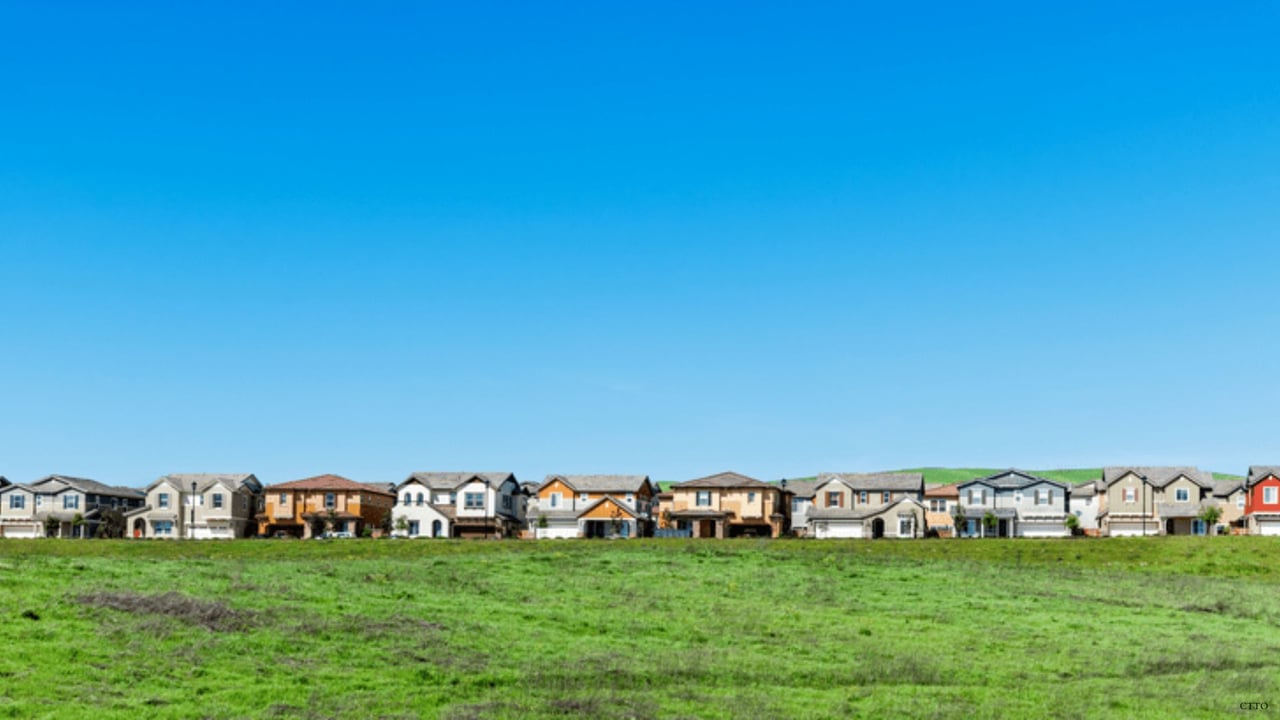
In the Warrenton and Fauquier market, the strongest demand often comes from three groups: equestrian and lifestyle buyers who value paddocks and riding access, DC-area buyers seeking a rural retreat within commuting distance, and local farmers or investors who focus on working-land potential. Your marketing should speak to both the working side of the farm and the lifestyle story. That balance widens your buyer pool and supports stronger offers.
When to list for best presentation
Spring through early summer often shows your pastures and landscape at their best. That said, motivated buyers shop year-round. Strong visuals, clear property documentation, and a complete farm packet matter more than the month you list. Time your launch for peak presentation, then support it with professional media and clean, concise property records.
Handle rules and records early
Septic and well basics after 2025
Virginia now has statewide minimum standards for septic inspections used in real estate transactions. The law sets inspector qualifications and a defined inspection scope. If your property uses an onsite system, plan for a formal inspection and share the report with the parties. Review the new statewide septic inspection standards in the Code of Virginia and the practical overview from Virginia REALTORS to understand expectations and timing. For private wells, the Virginia Department of Health does not require statewide testing to transfer a property, but many buyers and some lenders ask for bacterial and nitrate tests. A simple pre-test is a low-cost way to reduce negotiation friction.
Property disclosures in Virginia
Virginia’s Residential Property Disclosure Act requires delivery of the board’s disclosure statement for most residential real estate. The framework is buyer-beware, which encourages buyers to do their due diligence. Your job is to provide the required form on schedule and avoid misrepresentation. Pull your permits, service records, and inspection reports now so buyers can verify facts quickly. Read the statute for details on timing and responsibilities.
Land-use taxation, PDR, and easements
Many Fauquier farms are enrolled in the county’s land-use assessment program, which taxes qualifying acreage on its use value rather than full market value. That can materially lower annual taxes while enrolled. A change in use or subdivision can trigger roll-back taxes on prior years. Confirm your status and the roll-back rules before you list.
If your farm has sold or donated development rights through the county’s PDR program or a conservation easement, those restrictions will shape the buyer pool and future uses. Disclose them early and present them as part of the stewardship story.
Permits for farm structures
Agricultural buildings may follow different application paths, but they are not automatically permit-free. If you plan repairs or upgrades before listing, confirm permit needs with the county first. Clear documentation of permitted work avoids lender and insurance delays later.
A cost-conscious prep plan
Paperwork and quick checks
Start with items that cost little and reduce risk.
- Gather deeds, surveys, parcel maps, and any easement or PDR documents. Fauquier’s Applications Center has helpful forms and mapping resources.
- Pull septic and well operation records. Decide whether to complete a pre-listing septic pump-out and inspection to avoid surprises under the 2025 standards.
- If you suspect structural or environmental issues, order a targeted evaluation now and disclose appropriately.
Useful hub: Fauquier Applications Center and Forms
Highest-priority fixes
Do these first because they keep deals together during inspections and appraisals.
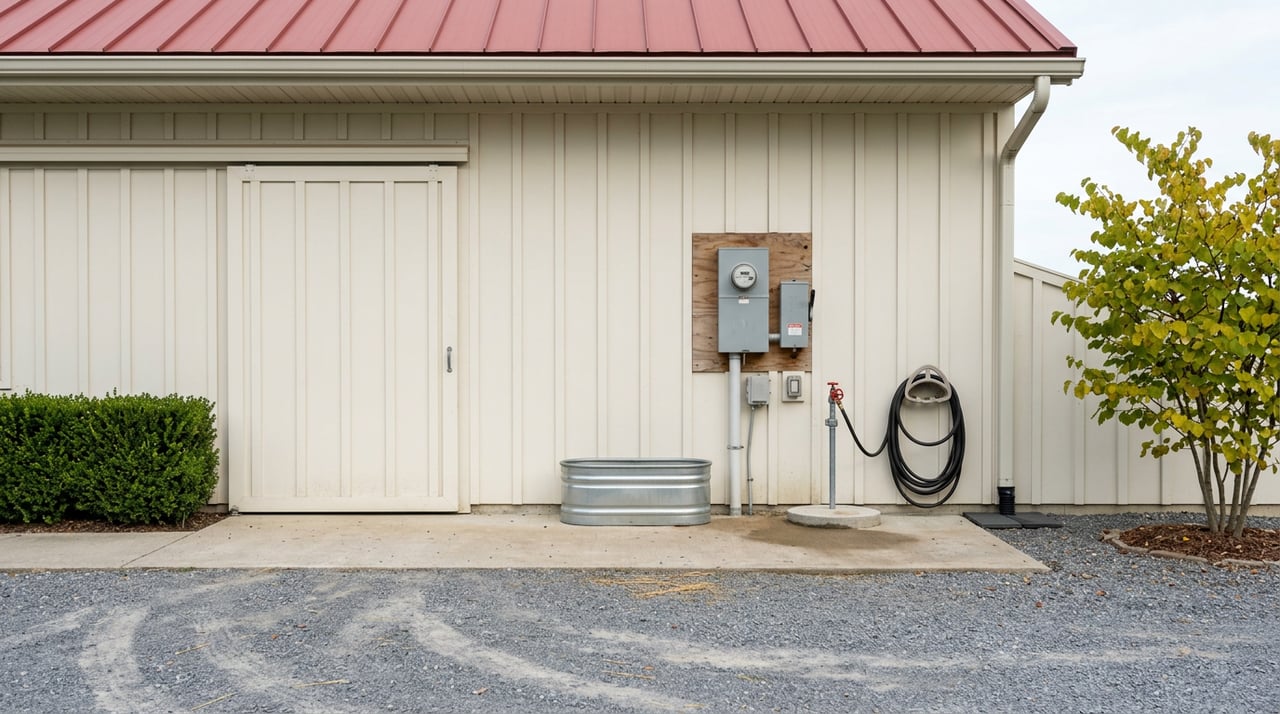
- Safety and code items: active leaks, significant structural damage, unsafe electrical, failing septic, contaminated well, or blocked access. Get permits if required and keep receipts.
- Access and egress: stabilize a problem culvert or drive, fix gates, and confirm 911 address visibility. If an inspector or appraiser cannot access areas safely, closing risks rise.
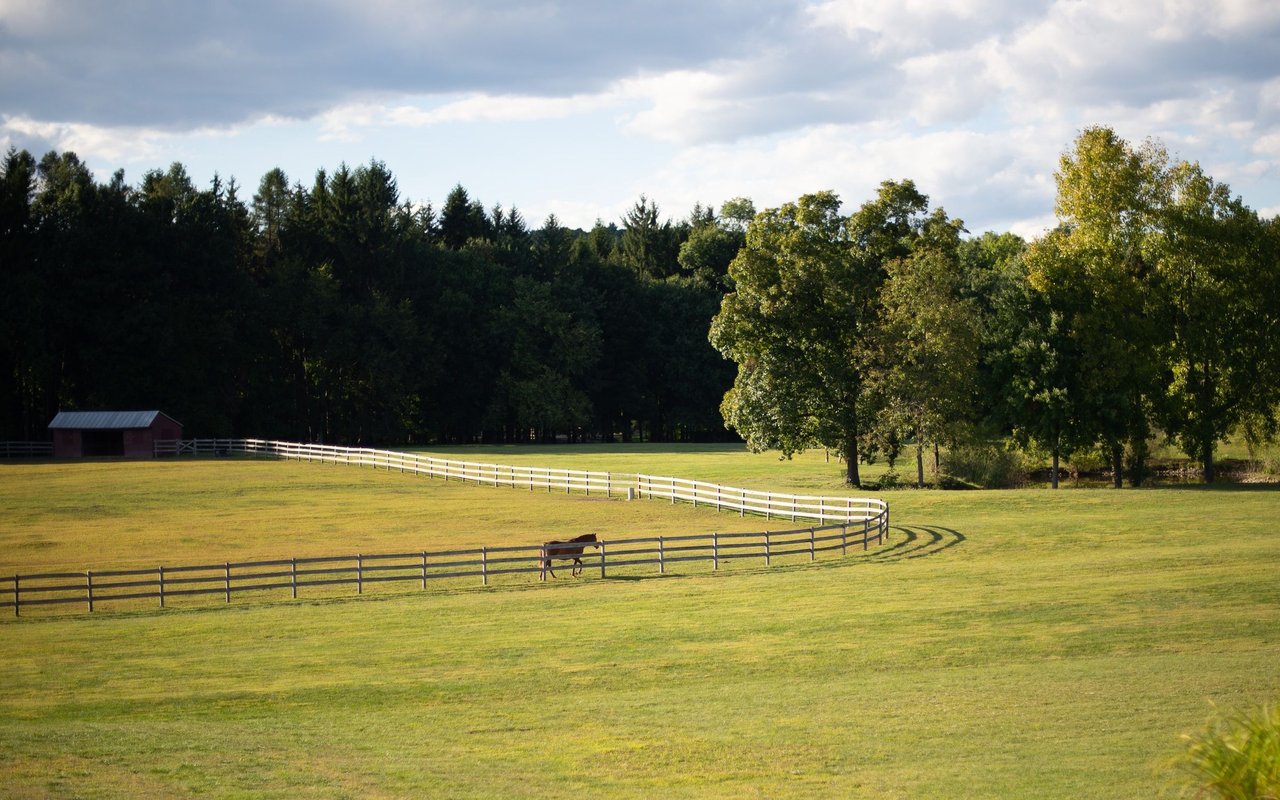
- Equestrian safety: repair broken fence lines, stabilize run-ins, and ensure safe water access for animals if you are marketing as a horse property. These are often modest fixes that give buyers confidence.
High-impact, low-cost presentation
Focus your spend where cameras will see it first.
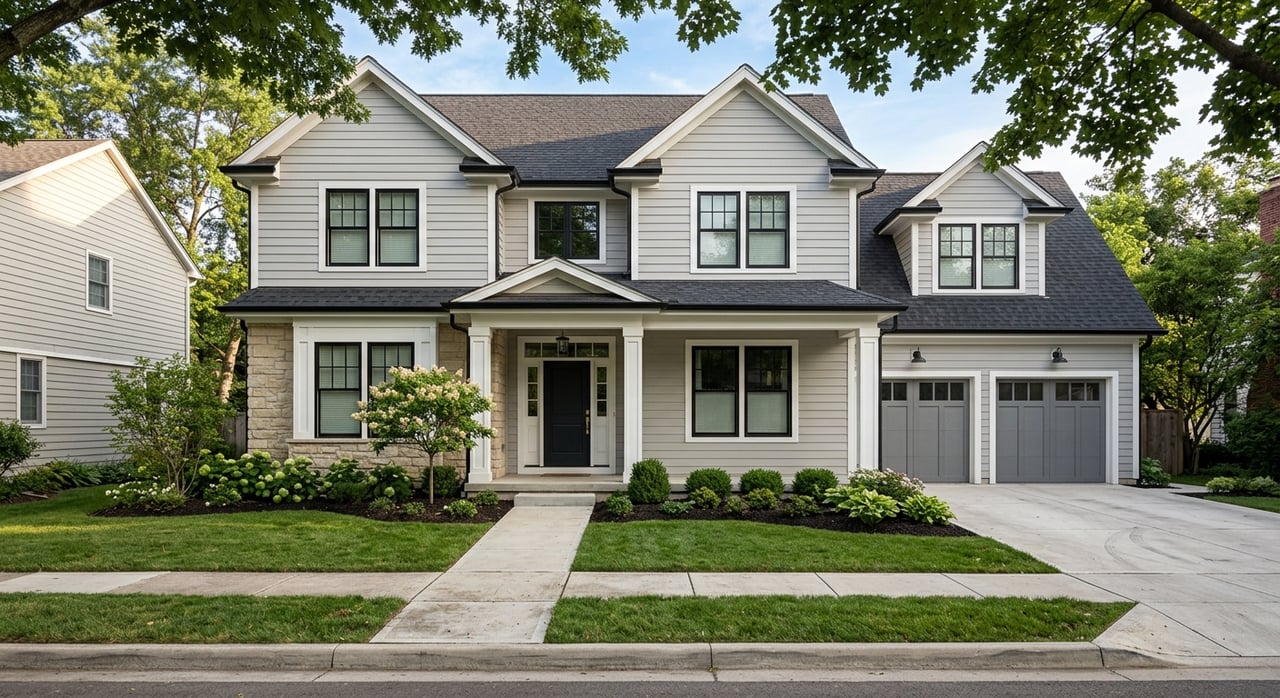
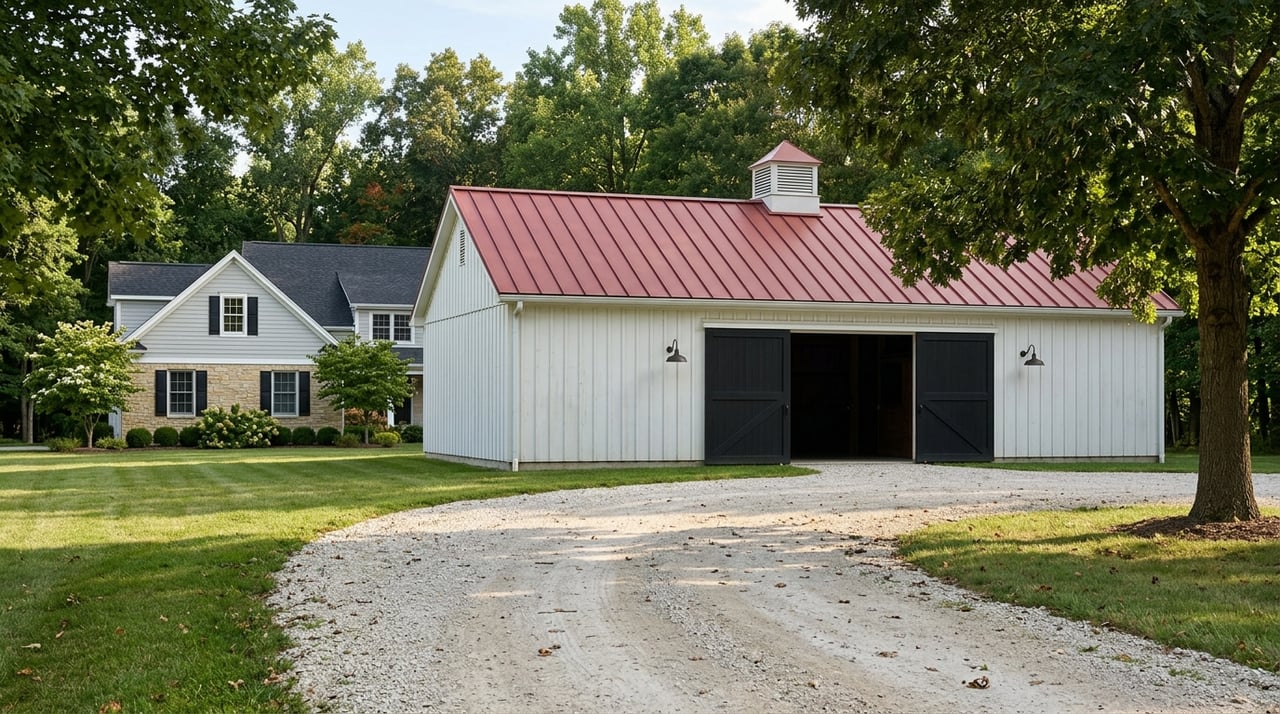
- Declutter inside and out. Remove farm equipment near the house, mow and trim high-visibility pasture edges, and tidy barn aisles.
- Refresh paint in main rooms with neutral tones. Clean or refinish floors where feasible. Replace dated hardware and fix small defects that distract on tours.
- Stage key rooms. NAR research shows staging helps buyers visualize a home and can reduce time on market. Use it selectively for living areas where photos and first impressions matter most.
Reference: NAR guidance on home staging
Smart upgrades to consider
Choose targeted improvements only when comparable sales suggest you will recover the cost.
- Kitchen or bath refresh, not a remodel. Think paint, lighting, and hardware.
- Septic risers during the pump-out so future service and inspections are simple. National pump-out ranges often fall around a few hundred dollars, with local variation.
- Driveway stabilization and simple signage to guide showings and large-vehicle inspections.
Cost context: Septic pump-out cost ranges
What to skip to protect proceeds
- Large specialty builds that only serve a niche, such as a new high-cost arena, unless data shows a premium return in your submarket.
- Removing mature trees or altering historic fabric unless there is a safety issue. Stewardship often adds perceived value for the right buyer.
Package the story buyers want
Required listing materials
High-quality, accurate materials build trust and shorten contingencies. Aim to include:
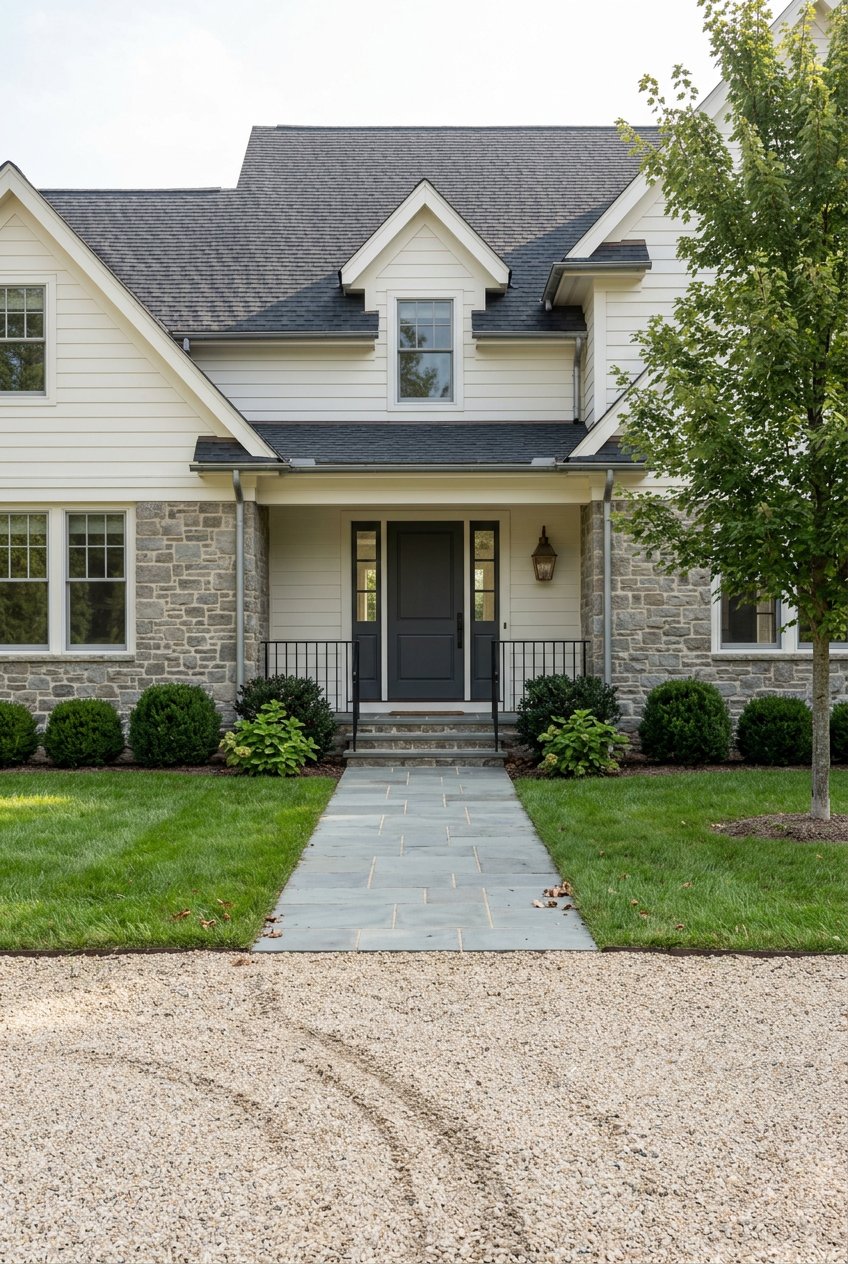
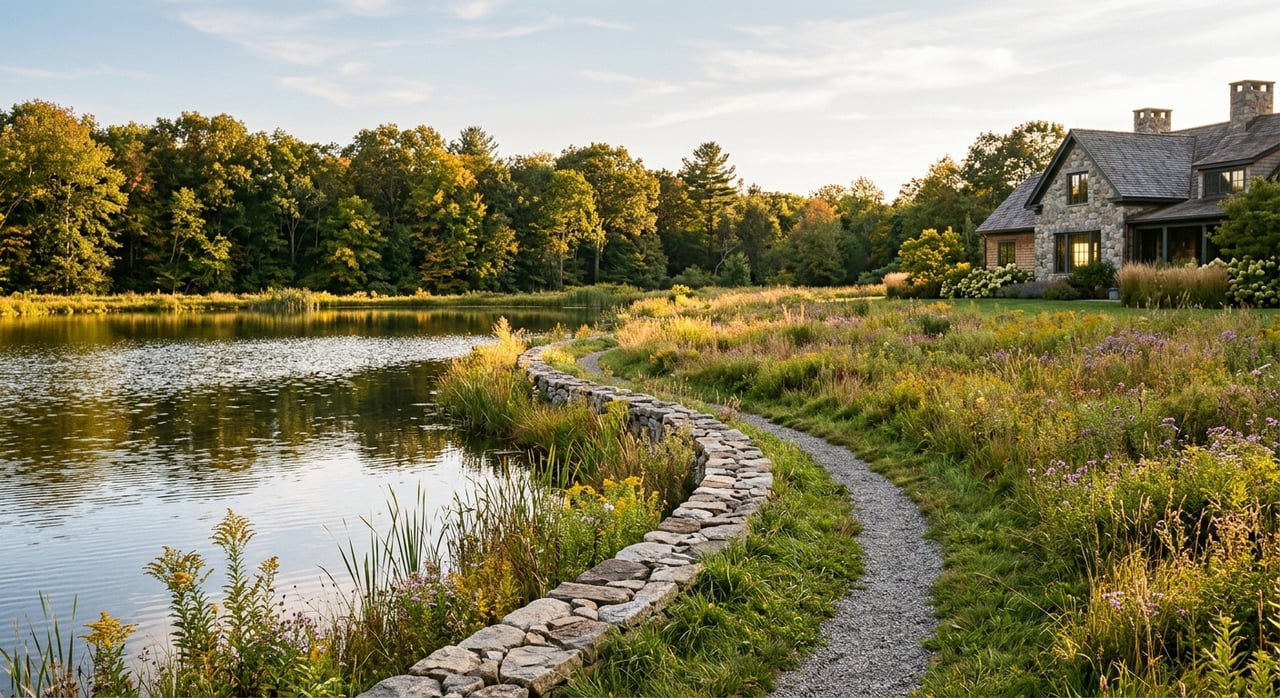
- Professional photos that show the residence, barns, paddocks, pastures, access roads, and water features. Add twilight exteriors to highlight the setting.
- An annotated property map that marks boundaries, house, barns, paddocks, pasture, wells, septic field, drive, and any streams. Include parcel ID and legal description. County mapping resources are a great start.
- A concise farm resume that outlines history and stewardship, plus appendices such as land-use enrollment records, conservation or PDR deeds, basic production notes if applicable, recent tax bills, and any management plans.
- Inspection and permitting records for septic and well, and permits or as-built sketches for major improvements.
Photos, aerials, and virtual tours
Most buyers start online, so visuals carry serious weight.
- Ground photography is essential. Hire a professional for crisp, well-composed images.
- Drone imagery can be a modest spend with outsized impact on large parcels. It shows field layout, approach, and views in one glance. Get a Part 107 certified, insured operator and a clear deliverables list.
- Consider a 3D tour if you anticipate out-of-area interest. Balance the cost against your expected buyer reach.
Planning help: How to evaluate drone service costs
Messaging and channels
Use two parallel stories in your marketing copy and media:
- Working value: soil and pasture notes, simple production history, timber or management plans, and the facts of any PDR or easement. Be clear and concise.
- Lifestyle appeal: equestrian facilities, riding options, views, and proximity to services. If your goal is to find a good steward, state it briefly. The right buyer will respond to that cue.
Syndicate to MLS and major portals through your brokerage, then layer in targeted outreach through equestrian networks and conservation-minded channels. Focus quality over quantity to keep showings efficient and productive.
Your local next steps
Follow this order to minimize spend and reduce surprises:
- Ask your listing agent for a focused CMA of farm and estate sales near Warrenton and in your Fauquier submarket. Use it to decide where strategic upgrades make sense.
- Request septic and well records from the local health office, then decide on a pre-listing septic pump-out and inspection under the 2025 standards.
- Gather deeds, surveys, land-use enrollment, and any PDR or easement documents. Pull parcel maps from the county resource hub.
- Complete urgent safety, code, and access fixes. Confirm permits with Fauquier Community Development and save all receipts.
- Stage high-impact rooms, schedule professional photos and drone, and assemble your farm resume with maps and records.
If conservation is part of your plan, explore local partners and county programs early so you understand timing and documentation. Start here for PDR program information: Fauquier Agricultural Development PDR.
Selling a legacy farm is about stewardship and precision, not spending for spending’s sake. With the right prep, clean records, and compelling media, you can protect value and find a buyer who appreciates both the working potential and the way of life your property offers. If you would like a tailored, cost-conscious plan for your acreage, schedule a confidential consultation with Debbie Meighan.
FAQs
What do Virginia’s new septic rules mean for my Fauquier farm sale?
- Expect a formal inspection by a qualified inspector, a defined scope, and a written report shared with the parties. Plan time and budget for a pump-out and inspection so you control repairs and avoid closing delays.
Do I have to test my well water before selling a rural home in Virginia?
- The state does not mandate well testing for transfers, but many buyers and some lenders request bacterial and nitrate tests. A simple pre-test can prevent last-minute negotiations.
How does Fauquier County’s land-use taxation affect my sale proceeds?
- If your acreage is in land-use assessment, taxes are based on use value. A change in use or subdivision can trigger roll-back taxes, so confirm enrollment status and rules before you list.
Should I build a new arena before listing a horse property near Warrenton?
- Usually no. Large specialty projects rarely pay back at sale unless strong local comps show a clear premium. Focus on safe fencing, tidy paddocks, curb appeal, and professional media.
What marketing delivers the most impact for large-acre listings in Northern Virginia?
- Professional photos, clear maps, and drone imagery provide the biggest lift for the cost. Pair them with a concise farm resume and accessible inspection and permit records.
When is the best time to list a farm in the Warrenton area?
- Spring and early summer show pastures at their best, but serious buyers search year-round. Strong visuals and a complete documentation packet matter more than the calendar.