Guide to Prince William’s Rural Equestrian Lifestyle
April 2, 2026
April 2, 2026
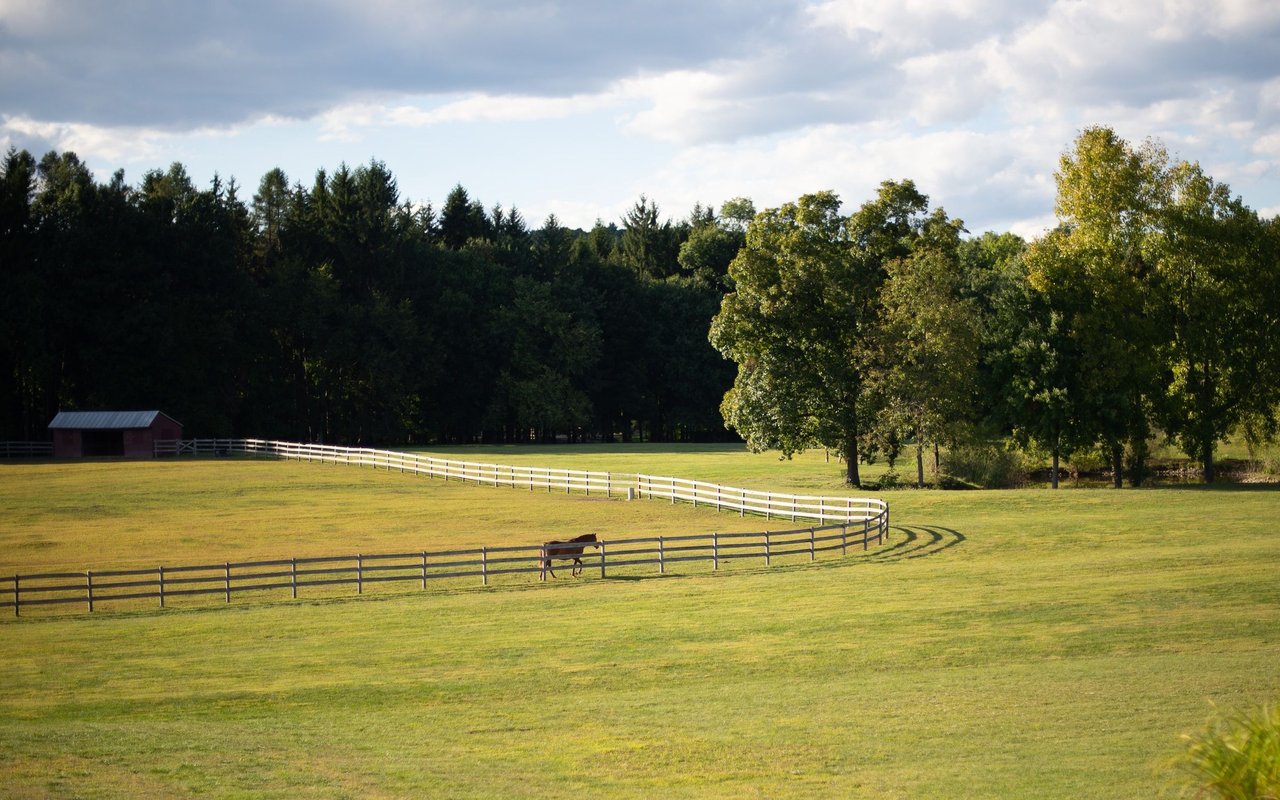
If you want room for horses without feeling far removed from everyday services, Prince William County deserves a closer look. For many buyers, the challenge is finding land that supports a quieter, more rural lifestyle while still keeping you connected to parks, roads, and practical amenities. This guide will help you understand where Prince William’s most promising rural pockets are, what the county means by equestrian-friendly land, and what to verify before you buy. Let’s dive in.
In Prince William County, “rural” is not just a lifestyle label. The county defines its Rural Area as land intended for agricultural, open-space, forestry, and large-lot residential uses. It may be served by public water, but generally not by public sewer except in emergency conditions, according to the county’s planning land use terms.
That definition matters if you are searching for equestrian or acreage property. The county’s zoning framework supports lower-density land patterns, with A-1 allowing one detached single-family home per 10 acres, while SR-1, SR-3, and SR-5 allow one home per 1, 3, and 5 acres. The county also explicitly includes horses within its agricultural-use definition.
For you as a buyer, that means Prince William’s rural market is usually more about individual parcels than master-planned equestrian communities. Each property can have its own mix of zoning, access, trail context, and land-use limitations, so it is wise to confirm details through the county’s mapping and land-use tools before making assumptions.
Prince William offers a useful middle ground if you want acreage and horse potential without going deeper into more established Hunt Country markets. The county’s rural areas remain tied to local libraries, fire service, parks, and service points, which can make day-to-day living feel more connected than in more remote locations. That can be appealing if you want open land but still value convenience.
At the same time, Prince William is not the same as Loudoun or Fauquier’s more fully built-out horse-country identity. The county’s rural pockets tend to be more development-sensitive, and trail systems, road crossings, and land planning can play a bigger role in how a property functions over time. In simple terms, you may gain proximity and convenience, but you need to evaluate each parcel carefully.
Nokesville is one of the clearest starting points for a rural-equine search in Prince William County. It has the feel of a country pocket, but it is not cut off from services. The county notes that the Nokesville Library is the only neighborhood library in the Rural Crescent, and county fire service also supports Nokesville and the broader western part of Prince William.
For equestrian-minded buyers, Nokesville Park adds another practical layer. The county says the area includes natural-surface hiking and equestrian trails, plus a riding ring and trailer parking. That combination makes Nokesville especially worth exploring if you want a rural setting with some built-in recreational support nearby.
You may also notice small but meaningful signs of rural infrastructure here. For example, the county’s rural Saturday trash drop-off program includes a site at The Nokesville School. It is a reminder that this area offers country living, but not total isolation.
Catharpin stands out for buyers who care about trail access and open-space connections. The county’s Catharpin Creek Trail System is planned to connect Silver Lake Park, James Long Park, Conway Robinson State Park, and Manassas National Battlefield through an equestrian-friendly path. The county also notes that it has already secured many trail easements in that corridor.
That said, this is an area where present conditions matter just as much as future plans. Current trail segments are mainly located within the parks themselves, and the county notes that riders cannot yet connect Silver Lake and James Long without crossing Route 15. If trail riding is one of your top priorities, that is the kind of detail worth weighing carefully.
Silver Lake and James Long both offer trailer parking for equestrian users, which adds convenience for riders who plan to haul out rather than ride directly from home. In Catharpin, the broader appeal often comes from how acreage, trail planning, and rural character intersect.
Broad Run is another area to watch, especially if you are thinking long term about access and land context. The county’s Broad Run Trail System is planned to connect communities along Broad Run and Linton Hall Road. The first phase runs between Route 28 and Rollins Ford Park, with later connections planned toward Bristow Battlefield, Brentsville Historic Courthouse, and Doves Landing Park.
Nearby Bristow also offers equestrian interest through Bristoe Station Battlefield Heritage Park. The county describes it as a 140-acre historic site with more than 2.7 miles of walking and equestrian trails. For buyers who want a more suburban-adjacent location but still value horse access and open land nearby, that can be a meaningful advantage.
The Vint Hill area deserves attention as well. The county’s planning work for the corridor is focused on balancing growth, protecting rural character, and guiding future development. If you are considering property on this edge of Prince William, planning overlays and future land-use direction should be part of your research from the start.
In Prince William’s rural pockets, you are generally more likely to find larger-lot detached homes, estate-style houses, farmhouses, and bona fide agricultural parcels than highly concentrated horse-country compounds. That pattern follows the county’s zoning structure and agricultural-use framework. It supports one-home-on-many-acres living more than dense clusters of equestrian estates.
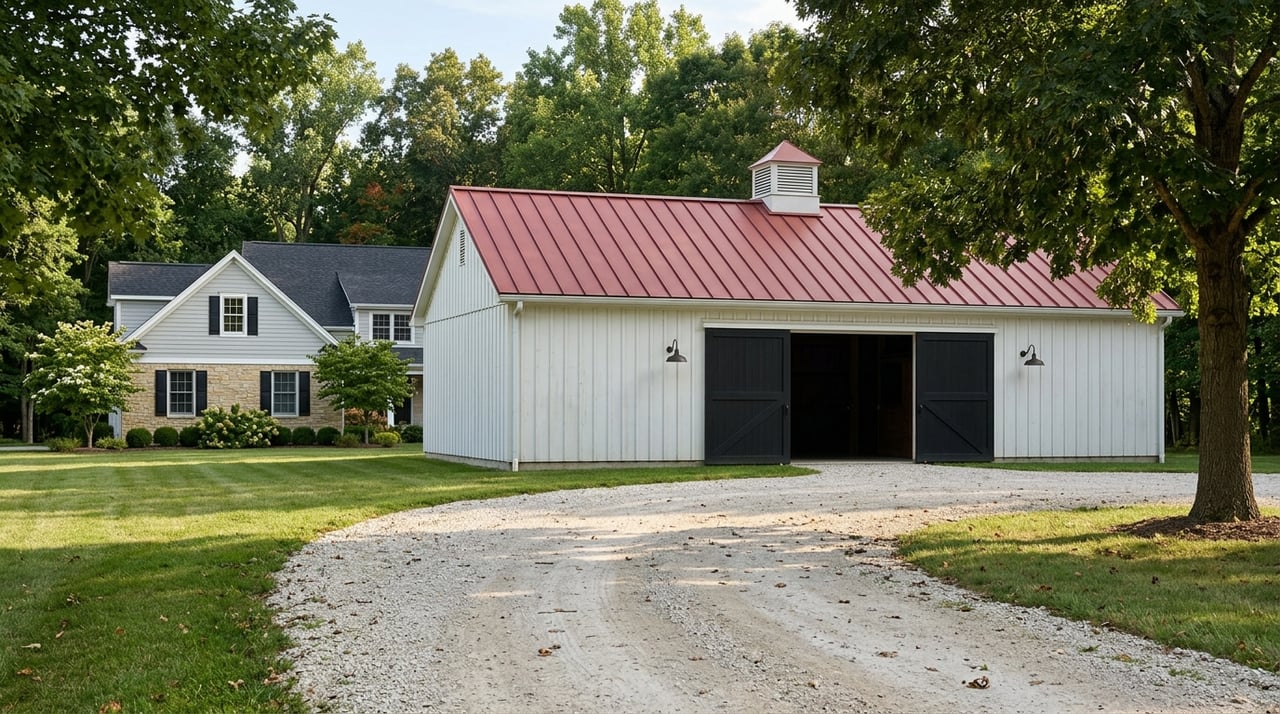
This can work very well if your goals are privacy, turnout space, a barn project, or flexible land use tied to horses. It may be less ideal if you are hoping for a polished, deeply established equestrian hub with seamless trail systems in every direction. In Prince William, the opportunity often lies in land, space, and proximity rather than a single branded horse-country experience.
A rural property search in Prince William is not only about acreage. It is also about how that acreage functions in real life. Trail access, road crossings, adjacent land uses, and future planning all shape the experience of owning and using horse property here.
The county is also continuing to update its Countywide Trails Master Plan, which means trail connectivity and corridor quality may evolve over time. That can be a positive if you are buying with a long horizon, but it also means today’s access may not fully reflect tomorrow’s network. Looking at both current conditions and planned improvements can give you a clearer picture.
One of the more important parts of Prince William’s rural story is land preservation. The county supports conservation through Agricultural & Forestal Districts, which are designed to help protect farm and forest land from conflicting land-use pressure. New districts must contain at least 200 acres, showing that the county is trying to preserve larger rural blocks rather than scattered individual lots.
The county also operates a Purchase of Development Rights program for owners with 20 or more contiguous A-1 acres who want to permanently conserve land. For buyers, that matters because preservation tools can affect both the long-term feel of an area and the future expectations for surrounding land. In the right situation, they can help protect the open, functional landscape that drew you there in the first place.
When you are evaluating a horse property or acreage parcel in Prince William County, details matter. The county specifically advises residents to verify zoning and overlay districts through County Mapper before assuming what a property can do, especially where barns, septic, wells, horse use, or future additions are involved. The county’s guidance on bona fide agricultural use is a useful starting point.
If a property relies on well and septic, there are additional practical questions to answer early. The county notes within its land-use framework that Virginia Department of Health approval is required for plumbing on proposed structures. That may affect how you think about barn improvements, accessory spaces, or future expansion.
A strong due-diligence checklist should include:
If you are comparing Prince William with other Northern Virginia options, it helps to be clear-eyed about the difference. According to Visit Loudoun, Loudoun County is home to more than 15,000 horses and is widely identified with a larger horse-country destination identity. That is a different market profile from Prince William.
Prince William’s advantage is that it can offer a quieter, land-oriented lifestyle closer to suburban infrastructure and daily services. For some buyers, that is exactly the sweet spot. You may not get the same depth of equestrian identity as deeper Hunt Country, but you may gain a shorter reach to everyday needs and a more connected version of rural living.
If you are considering Prince William for equestrian life, the key is not to treat the county as one uniform market. Nokesville, Catharpin, Broad Run, Bristow, and the Vint Hill corridor each offer a slightly different mix of land, access, planning context, and lifestyle rhythm. With the right guidance, that nuance can work in your favor.
If you are weighing acreage, horses, trail access, or a more preservation-minded purchase in Prince William County, working with someone who understands rural property details can make the process far more efficient. To discuss your goals confidentially, connect with Debbie Meighan.


Debbie's mission is to connect qualified buyers and motivated sellers to cement the best real estate transactions, deals where both sides come together for a common goal, and everyone feels like they have walked away a winner.