Choosing Between In-Town Leesburg And Western Loudoun Land
April 16, 2026
April 16, 2026
If you are torn between a home in Leesburg and a larger parcel in western Loudoun, you are not alone. Many buyers want to stay connected to everyday convenience while also wondering if more land, more privacy, and more flexibility would better fit the way they want to live. The right choice usually comes down to how you balance commute, acreage, upkeep, and long-term property goals. Let’s take a closer look.
The biggest difference between in-town Leesburg and western Loudoun land is how your day will feel once you move in. In-town living generally puts you closer to shops, dining, transit options, and a more compact street pattern. Western Loudoun offers a very different rhythm, with larger parcels, open landscapes, and a more drive-oriented routine.
That contrast shows up clearly in the numbers. According to Census QuickFacts for Leesburg, the town had an estimated 2024 population of 49,831 and a density of 3,891.4 people per square mile. Loudoun County overall was estimated at 443,380 people with a density of 816.2 people per square mile, which helps explain why Leesburg feels meaningfully more urban than the county at large.
For many buyers, Leesburg works because it keeps daily errands and commuting more manageable. The town is served by major routes including VA Route 7, US Route 15, and the Dulles Greenway, and Loudoun County Transit services in Leesburg support a range of local and commuter travel patterns. Commuter bus service from the Leesburg Park and Ride also includes routes to Washington, D.C., Rosslyn, the Pentagon, and Crystal City.
Commute data also leans in Leesburg’s favor. Census QuickFacts lists mean travel time to work at 25.3 minutes for Leesburg town, compared with 30.1 minutes for Loudoun County overall. While every commute is personal, the data supports the idea that in-town Leesburg can offer a shorter or more flexible daily routine.
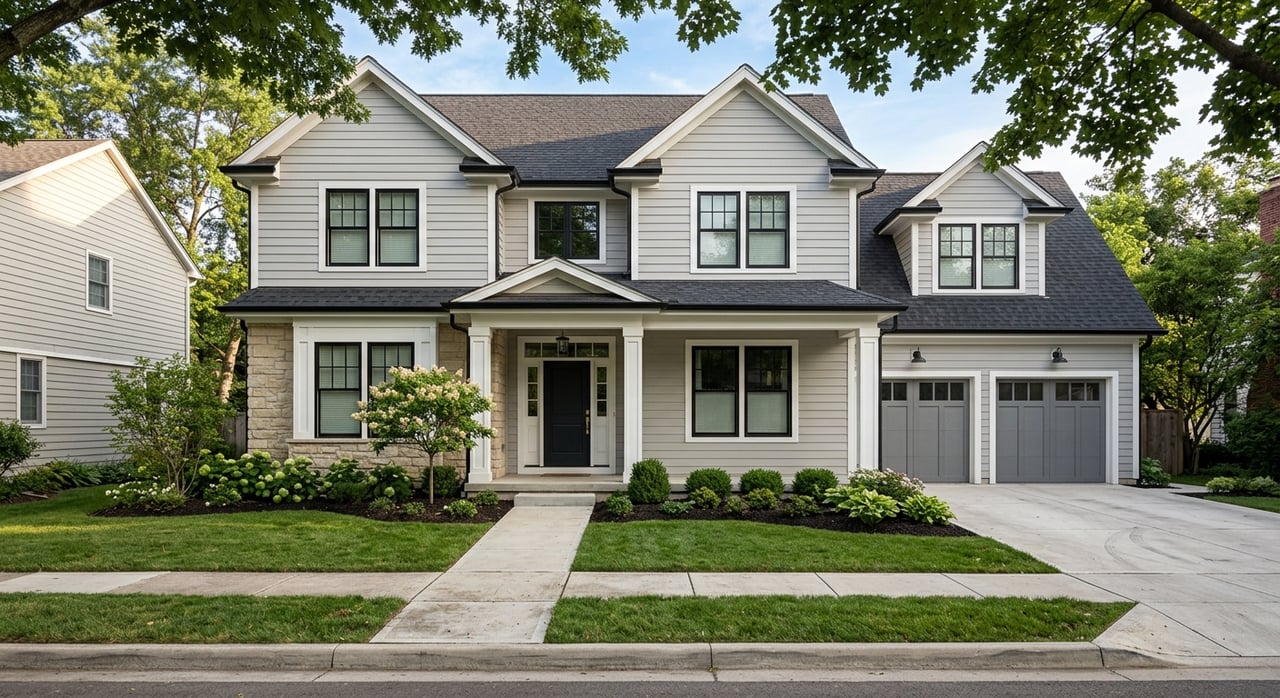
Leesburg’s development pattern is relatively compact. The town’s zoning ordinance includes residential minimum lot sizes as small as 4,000 square feet in some districts, though estate districts can range from 1 to 3 acres. That range gives buyers options, but the overall pattern still tends to support a more connected, neighborhood-based lifestyle.
The town also has places intentionally designed to feel more urban. One example in the Leesburg zoning ordinance is the Crescent Design District, where the street grid, building placement, and screened parking create a more compact environment. If you like the idea of being closer to destinations and services, that kind of layout may feel intuitive and efficient.
Leesburg’s historic downtown adds to the appeal for buyers who want a lot within a smaller radius. The town describes downtown as home to restaurants, unique shops, galleries, live music, and access to the W&OD Trail through its Arts and Cultural District information. That concentration of amenities is a practical advantage if you value convenience as much as square footage.
In plain terms, in-town Leesburg often fits buyers who want less land to manage and more places nearby. If your priorities include easier errands, access to transit, and a more compact setting, the town can be a strong match.
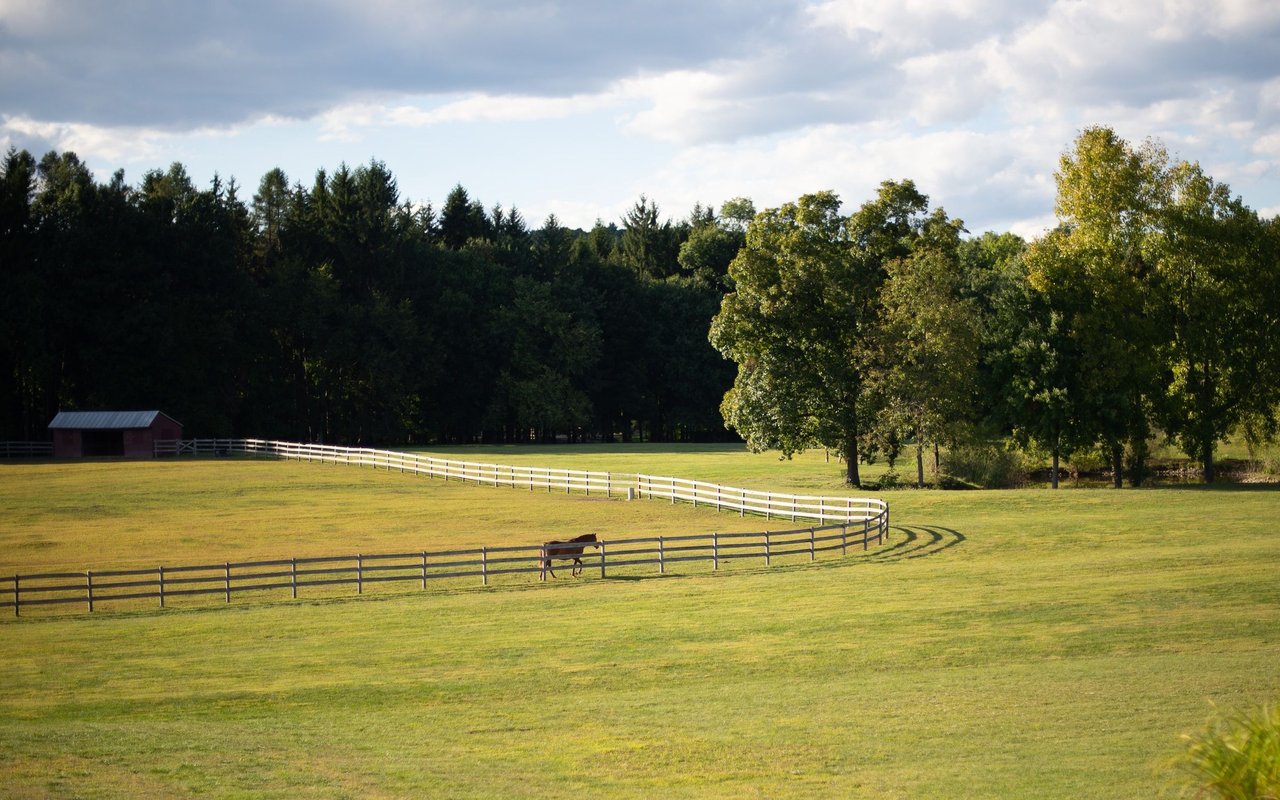
Western Loudoun offers something very different. Much of it is part of the county’s Rural Policy Area, which the county describes as the western half of Loudoun outside the towns and their joint planning areas, intended to preserve agricultural, historical, and natural heritage. The area covers about 227,904 acres, or roughly 67 percent of county land, according to the Loudoun County comprehensive planning materials.
That planning framework matters because it shapes what living there can look like. Western Loudoun is defined by farms, open space, rural villages, and crossroads communities. For some buyers, that setting is the whole point.
If you are searching for acreage, western Loudoun is where the conversation changes. County guidance indicates that the rural north is planned around a base density of 1 dwelling unit per 20 acres, while the rural south is planned around 1 dwelling unit per 40 acres. Those patterns align with county zoning materials for AR-1 and AR-2 and reinforce how different rural land is from in-town housing.
For buyers who want meaningful separation, room for agricultural use, or the ability to shape a property over time, that scale can be appealing. It can also open the door to tax considerations, since Loudoun County’s Land Use Assessment Program can defer some real estate taxes on qualifying agricultural, horticultural, forestry, or open-space land. The county also reported more than 40,000 acres enrolled in its Agricultural and Forestal District program in 2024 through the same county planning source.
Western Loudoun usually requires a different mindset around travel and convenience. Loudoun County notes that Route 9 is a primary access and commuting route between the West Virginia border and Route 7, serving farms, farm markets, equestrian facilities, wineries, breweries, and bed-and-breakfasts. The county also notes that western rural roads are being studied because of expected traffic growth and that the county has more than 250 miles of unpaved rural roads, based on its Route 9 corridor information.
That does not make western Loudoun less desirable. It simply means your lifestyle is likely to involve more driving and more planning around services. For many acreage buyers, that tradeoff is well worth it.
When you buy western Loudoun land, acreage alone does not tell the full story. Parcel shape, access, setbacks, and intended use all matter. This is especially true if you are considering agricultural or equestrian use.
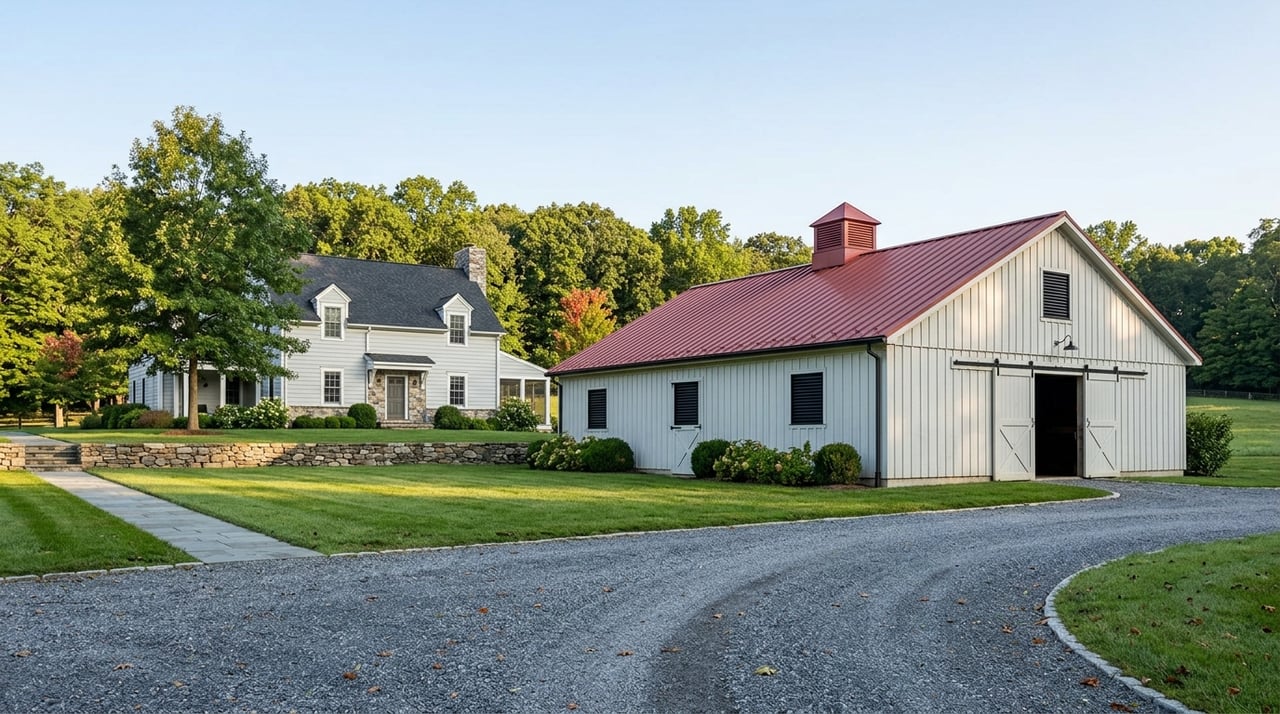
The county’s use-specific standards make some thresholds very clear. A stable or livery generally requires 15 acres, an equestrian event facility generally requires 25 acres, and agriculture-support uses generally start at 5 acres, according to Loudoun County use-specific standards. Those same standards also include setbacks for barns and other livestock-housing structures, so a property’s layout can matter just as much as its total size.
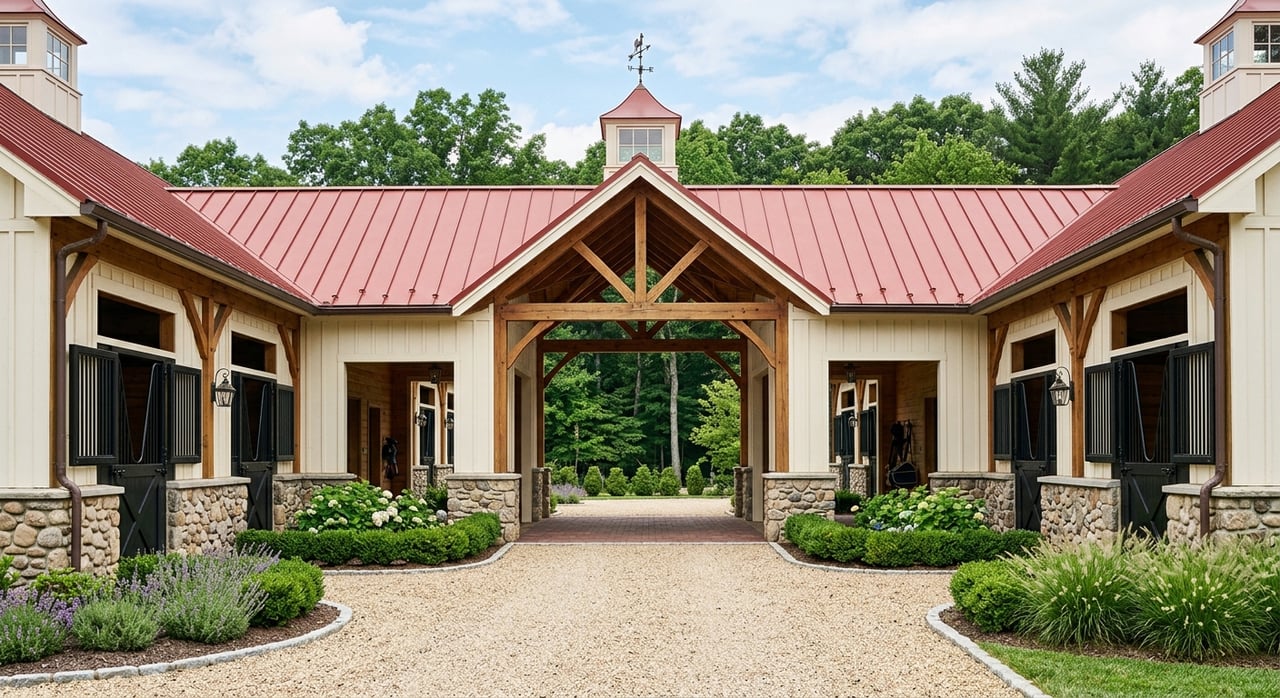
For buyers interested in horse property, western Loudoun stands apart. The county comprehensive plan identifies equine stables as part of the rural area and says the equine industry is a major component of the rural economy and the largest agricultural employer in Loudoun County. The AR-2 zoning purpose also states that it is intended to sustain the economically significant equine industry, as described in the county planning materials.
That does not mean every parcel is automatically suitable for horses. It does mean the broader planning framework supports that identity, which is important if you are looking for a property that aligns with equestrian or land-based goals.
If you are deciding between in-town Leesburg and western Loudoun land, a simple lifestyle test can help. Think less about what sounds appealing in theory and more about how you actually want to live week to week. Your answer usually becomes clearer when you look at routine, not just aesthetics.
The purchase decision is not only about cost per square foot or price per acre. It is also about what you will manage after closing. A town property may offer more convenience and a simpler upkeep profile, while a rural parcel may require deeper review of zoning, access, site layout, and intended use.
That is where experienced guidance matters. If you are comparing a compact home in Leesburg with a larger parcel in western Loudoun, the smartest move is to evaluate the property through the lens of your actual plans. That includes how you commute, how much land you truly want to maintain, and whether your long-term goals involve recreation, horses, or land stewardship.
Whether you are drawn to the convenience of town or the scale and privacy of western Loudoun, the right fit is the one that supports your life now and your plans for the years ahead. If you want help evaluating acreage, rural use potential, or the tradeoffs between in-town and country living, Debbie Meighan can help you sort through the details with clarity and care.

Debbie's mission is to connect qualified buyers and motivated sellers to cement the best real estate transactions, deals where both sides come together for a common goal, and everyone feels like they have walked away a winner.