Timeline For Listing A Horse Property In Loudoun And Fauquier
May 7, 2026
May 7, 2026
Selling a horse property is rarely a quick, drop-it-on-the-market decision. In Loudoun and Fauquier, the timeline usually stretches well beyond a standard home sale because buyers are not just evaluating a house. They are also looking at zoning, barns, fences, well and septic records, land use, and whether the property’s setup truly supports the way it is being marketed. If you want a smoother launch and fewer surprises once a buyer starts asking questions, it helps to work backward from your ideal list date. Let’s dive in.
A horse property sale often involves more moving parts than a typical residential listing. You may need to confirm permitted use, pull old records, review outbuildings, or address a lingering permit question before the home is ready for photos and showings.
That extra prep matters in this market. In March 2026, homes sold after 29 days on average in Loudoun County and 48 days on average in Fauquier County. Add in Zillow’s finding that many sellers think seriously about selling for 3 to less than 4 months before listing, and a realistic runway for a horse property is usually at least 3 to 4 months.
If your property has unresolved zoning questions, land disturbance issues, well or septic concerns, or repair work tied to barns and other structures, you may need even longer. The goal is to solve as much as possible before the listing goes live, not while a buyer is under contract.
For most sellers in Loudoun and Fauquier, 12 weeks is the minimum planning window. That timeline gives you room to gather documents, make informed repair decisions, prepare the grounds, and create a polished launch package.
A horse property is a specialized asset, and buyers tend to notice details quickly. If the barn layout, arena, paddocks, driveway access, septic paperwork, or zoning status feels unclear, that uncertainty can slow momentum or affect buyer confidence.
Here is a practical working-back calendar you can use.
Start by gathering the documents a serious buyer is likely to request. That usually includes your survey or plat maps, easements, well and septic records, AOSS inspection records if applicable, barn or arena permits, and any contractor invoices tied to major improvements.
In Loudoun, online well and septic records can help homeowners and real estate professionals selling property, but older records may be missing or only available in paper files. That is why it is smart to request anything missing early instead of waiting until the home is already on the market.
This step is especially important for equestrian properties. Loudoun zoning governs county land use outside incorporated towns, and the county offers formal zoning determinations and verifications. Fauquier also requires zoning approval before a new structure, grading, land disturbance, or a new or changed use begins.
If your property includes equestrian features or is marketed around horse use, confirm early that the current use is legal and marketable. You do not want the first real review of zoning to happen after a buyer asks for documents.
If your property is part of an Agricultural and Forestal District, confirm that status at the start of the process. In both counties, these programs involve county procedures for renewal, additions, or withdrawal, and timing can matter.
That status may affect tax treatment, buyer expectations, or any request to change the property’s use later. It is much easier to explain this up front than to scramble during negotiations.
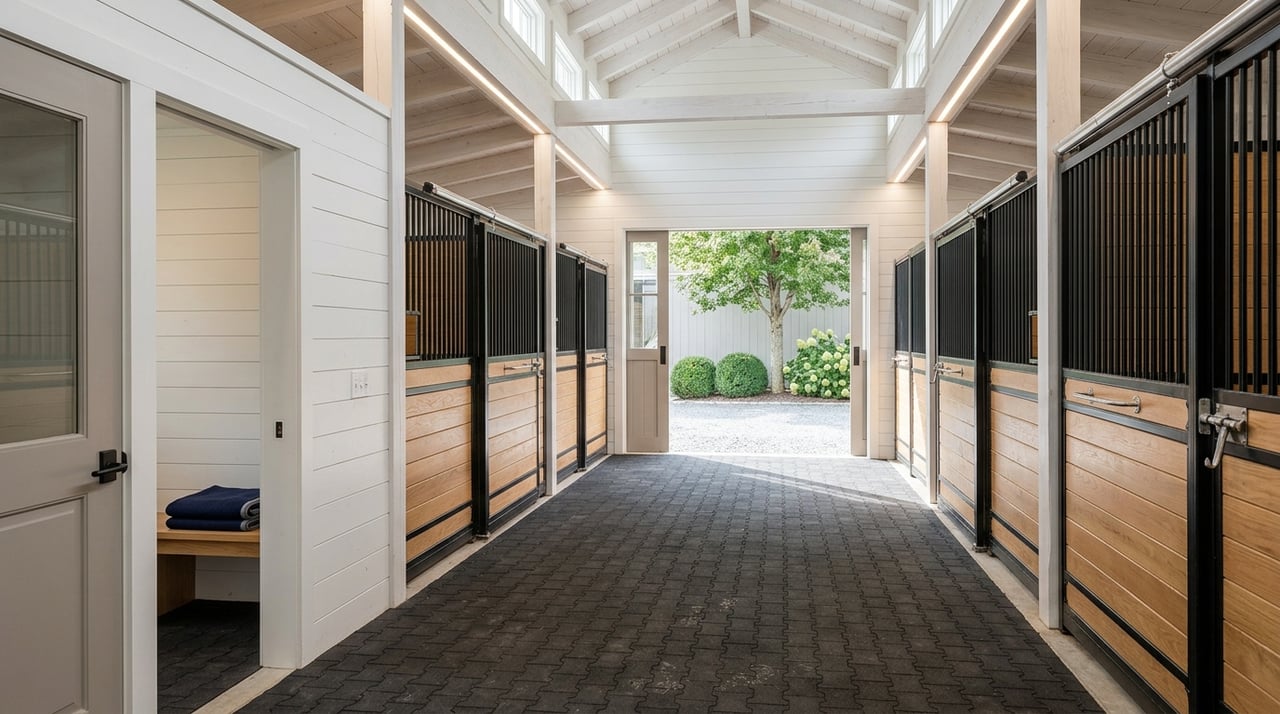
This is the time to make strategic repairs. Focus on the items that affect value, safety, and buyer confidence, such as fencing, gates, barn condition, driveway wear, wash stalls, exterior paint, roof issues, drainage concerns, or visible wear around turnout areas.
For the house itself, address the basics that buyers notice right away. A horse property may be bought for the land and equestrian improvements, but the residence still needs to show well.
If your property has a use change, a newer barn, an arena, driveway work, or any past grading or land disturbance that could require approval, this is the moment to investigate. In Loudoun, first site-plan review can take up to 40 days, with later reviews taking up to 30 days. In Fauquier, a site plan must be approved before zoning or building permits are issued for uses that require one.
Not every structure or improvement triggers the same review, but unresolved issues can surface during a buyer’s due diligence period. Catching them now helps you avoid delays later.
About a month before launch, your property should start looking less like an active farm project and more like a finished listing. This is the ideal window for deep cleaning, decluttering, mowing, power washing, and light staging.
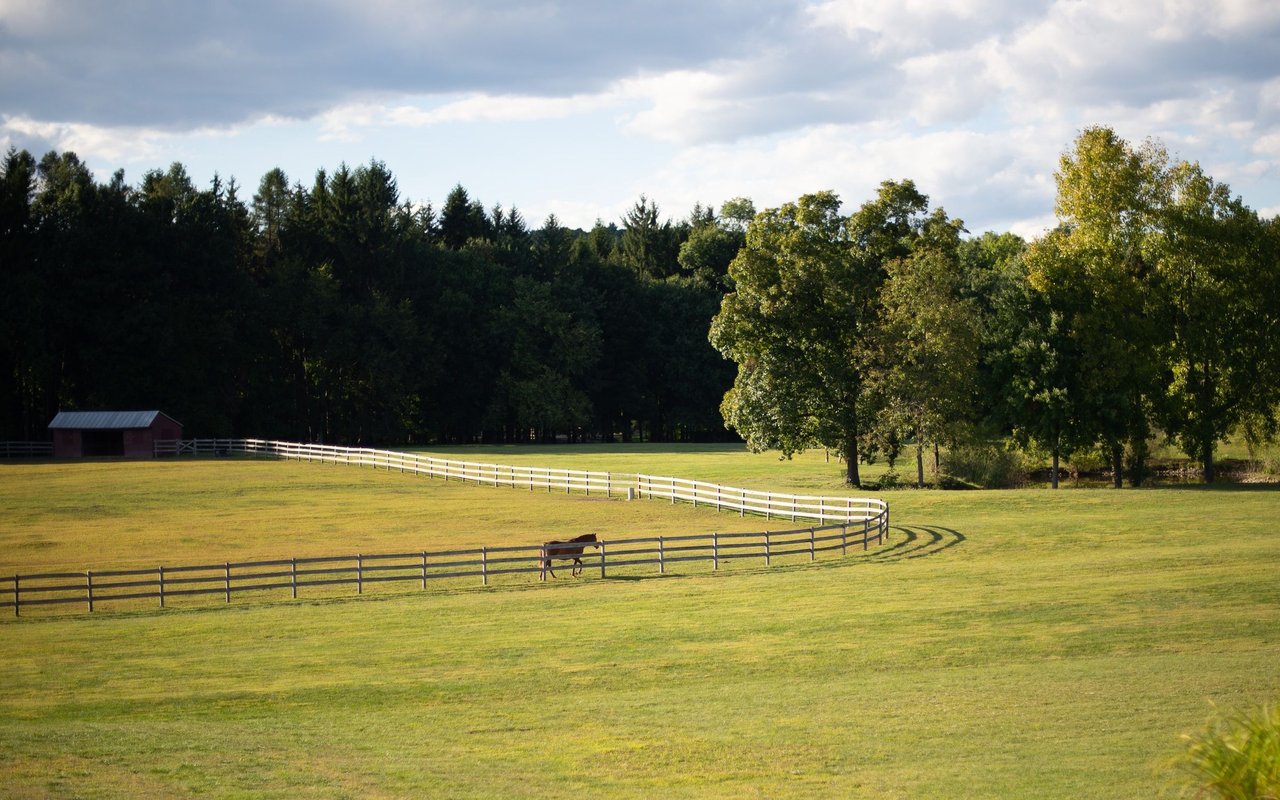
For horse properties, presentation goes beyond the front door. Buyers want to see that the barn, paddocks, fencing, pastures, and access points are orderly and easy to understand in person and in photos.
Clear visual organization matters. Trim fence lines, remove unnecessary equipment from sight where possible, stack materials neatly, and make sure driveways and entrances feel intentional.
The goal is not to erase the working nature of the property. It is to present it in a way that helps buyers quickly understand how the land and improvements function together.
This is when the pieces should come together. Schedule professional photography, prepare any video or visual marketing assets, and organize the supporting information that will help buyers evaluate the property with confidence.
This window is especially important because new listings tend to get the most attention right after they hit the market. If you are still chasing paperwork or finishing visible projects after launch, you may lose the benefit of that early interest.
By this stage, you should be ready to answer practical questions about the property’s systems and improvements. That includes well and septic documentation, permits, district status if applicable, and any known history tied to barns, arenas, or land improvements.
Virginia disclosure forms also belong in the pre-listing process. Sellers must complete the Residential Property Disclosures Acknowledgement Form, and septic waiver disclosures must be delivered before contract acceptance, so this is not paperwork to leave for later.
The first impression carries weight. Buyers often pay the closest attention when a listing is fresh, so your property should be fully ready for showings before it goes live.
That means clean presentation, complete photography, accessible documents, and a clear showing plan. If the launch feels incomplete, it can weaken early momentum.
Even a strong launch does not always mean an immediate sale. Recent data show average market times of 29 days in Loudoun and 48 days in Fauquier, so plan for a measured process rather than a same-week outcome.
That is another reason preparation matters. A polished first two weeks help you capture the most engaged early buyers while the listing is still new.
Once you are under contract, do not assume the hard part is over. Horse properties can face delays during the closing phase, especially when private well and septic systems are involved.
Virginia does not require a septic inspection for transfer, but if an inspection finds deficiencies, the fix can involve design work, permits, licensed installation, and a new operations permit. The Virginia Department of Health recommends septic inspections several weeks before closing because late discoveries can delay settlement.
If your property has a septic waiver or an alternative onsite sewage system, timing becomes even more important. In Loudoun, an AOSS must be inspected by a Licensed AOSS Operator no later than July 1 each year, and record retention is recommended.
Virginia also limits septic inspections in real estate transactions to licensed professionals and requires a written report within 10 business days. In practical terms, that means it is wise to leave a cushion between ratified contract and your move date.
| Time Before Listing | Main Focus |
|---|---|
| 12+ weeks | Gather records, verify zoning, review district status |
| 8 to 10 weeks | Complete repairs, investigate permits, address land-use issues |
| 4 to 6 weeks | Clean, declutter, mow, power wash, organize barn and grounds |
| 2 to 4 weeks | Photography, marketing materials, disclosures, final listing prep |
| Launch week | Go live only when fully ready for showings |
| Under contract | Allow extra time for septic, well, and property-specific due diligence |
Horse properties in Loudoun and Fauquier are not cookie-cutter listings. They often carry a mix of residential, agricultural, and equestrian features that require careful review and thoughtful presentation.
That is why your timeline should not be based only on when you hope to move. It should also reflect what the property needs in order to be marketed clearly, supported with the right documents, and positioned well for a serious buyer.
When the process starts early, you have more control over repairs, records, marketing, and negotiation strategy. You also reduce the chance that a zoning question, permit issue, or septic surprise interrupts the sale at the worst possible moment.
If you are thinking about selling a horse property in Loudoun or Fauquier, a clear plan is one of the best ways to protect both your time and your property’s value. To discuss the right listing timeline for your farm or equestrian estate, schedule a confidential consultation with Debbie Meighan.



Debbie's mission is to connect qualified buyers and motivated sellers to cement the best real estate transactions, deals where both sides come together for a common goal, and everyone feels like they have walked away a winner.