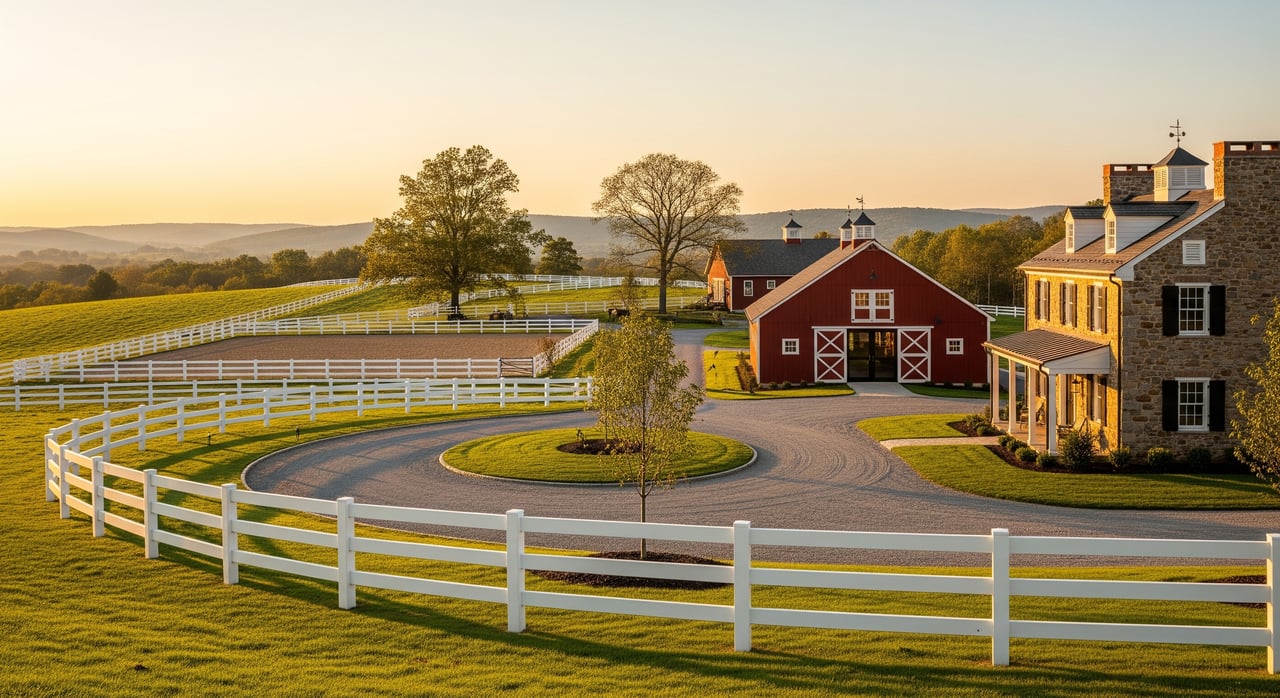
Selling a horse farm in Loudoun is different from selling a typical home. Luxury equestrian buyers want turn-key function, healthy land, and a smooth path to closing. If you prepare the right systems and documents, you can attract serious buyers and protect your price. This guide shows you how to prioritize improvements, organize records, and present your property for Loudoun’s Hunt Country market. Let’s dive in.
What today’s Loudoun buyers expect
Turn-key equestrian function
High-end equestrian buyers in Loudoun value safe, durable facilities and smart land management more than flashy finishes. They look for a farm they can use on day one, not a long list of projects. Focus your budget on core equine infrastructure and maintenance rather than cosmetic upgrades that do not fix function.
Location and riding access
Buyers care about privacy, scenic acreage, and practical proximity to riding networks, established hunts and boarding communities. Access to Northern Virginia and DC amenities is a plus. If your property has trail easements or adjacency to well-managed farmland or protected lands, highlight it in your listing notes.
Timing and seasonality
Late spring through early fall showcases pastures, arenas, and trails at their best. If you list in winter, demonstrate how you maintain safe access to barns and fields, including cleared driveways and functional drainage.
Invest where it counts
Barns and stable safety
- Stalls of 12 × 12 ft to 12 × 14 ft are common, with 14 × 14 ft preferred for larger breeds. Barn aisles in the 10 to 14 ft range allow safer movement and trailer maneuvering.
- Prioritize good ventilation and ample natural light. Use safe electrical installations with GFCI outlets and protected wiring.
- Provide durable, non-slip stall flooring with rubber mats and show clean, dry bedding.
- Offer a separate tack room with secure storage, a rodent-resistant feed room, and a dedicated grooming or wash area with hot water. Heated tack rooms and defined vet or farrier spaces add appeal.
- Keep hay dry and protected, and stage orderly equipment storage.
Arenas and footing that work
- A full dressage arena is 20 × 60 meters, while 20 × 40 meters works for schooling. Jumping arenas vary, but drainage, base, and footing quality matter most.
- Buyers look for a stable base, proper drainage or geotextile layers, and a suitable surface mix. Documented construction, recent maintenance, and consistent dragging are strong selling points.
- Night lighting and all-weather drainage increase usability and value.
Fencing and paddocks
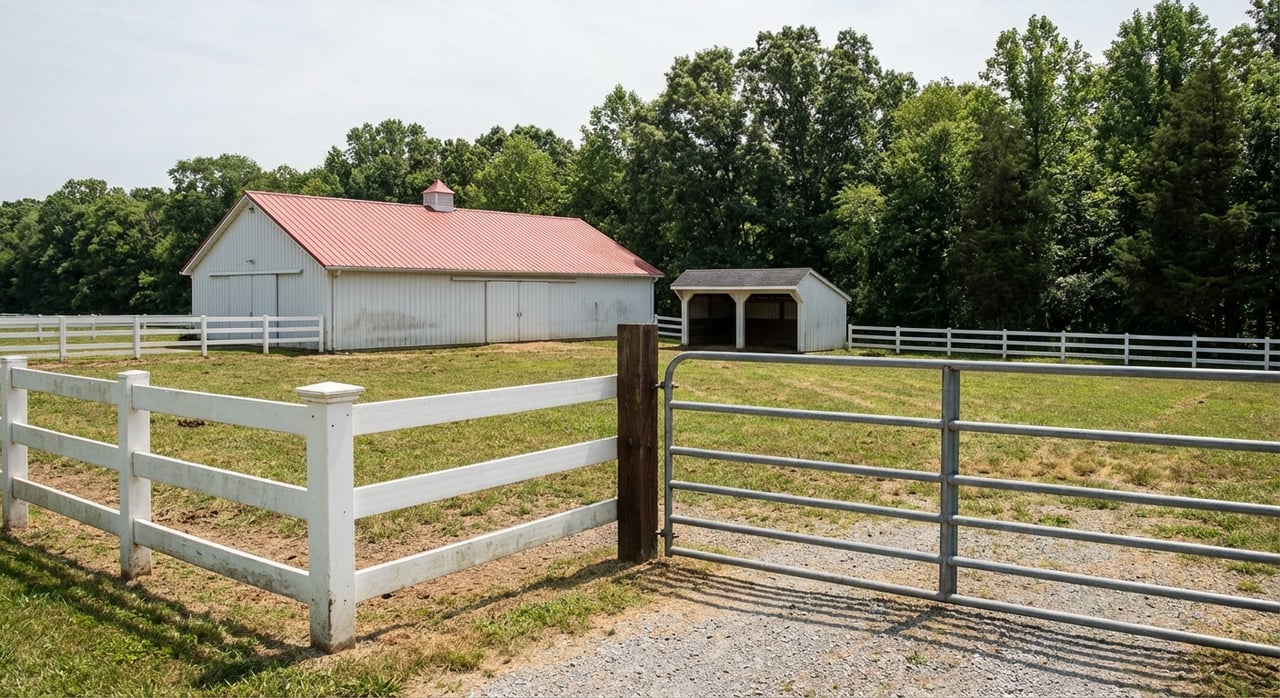
- Safe, visible fencing is essential. Board, vinyl rail, or pipe with a visible top rail are common choices. For most horses, fence height should be about 4.5 to 5 feet.
- Ensure wide gates, ideally 12 feet or more, for equipment and trailer access.
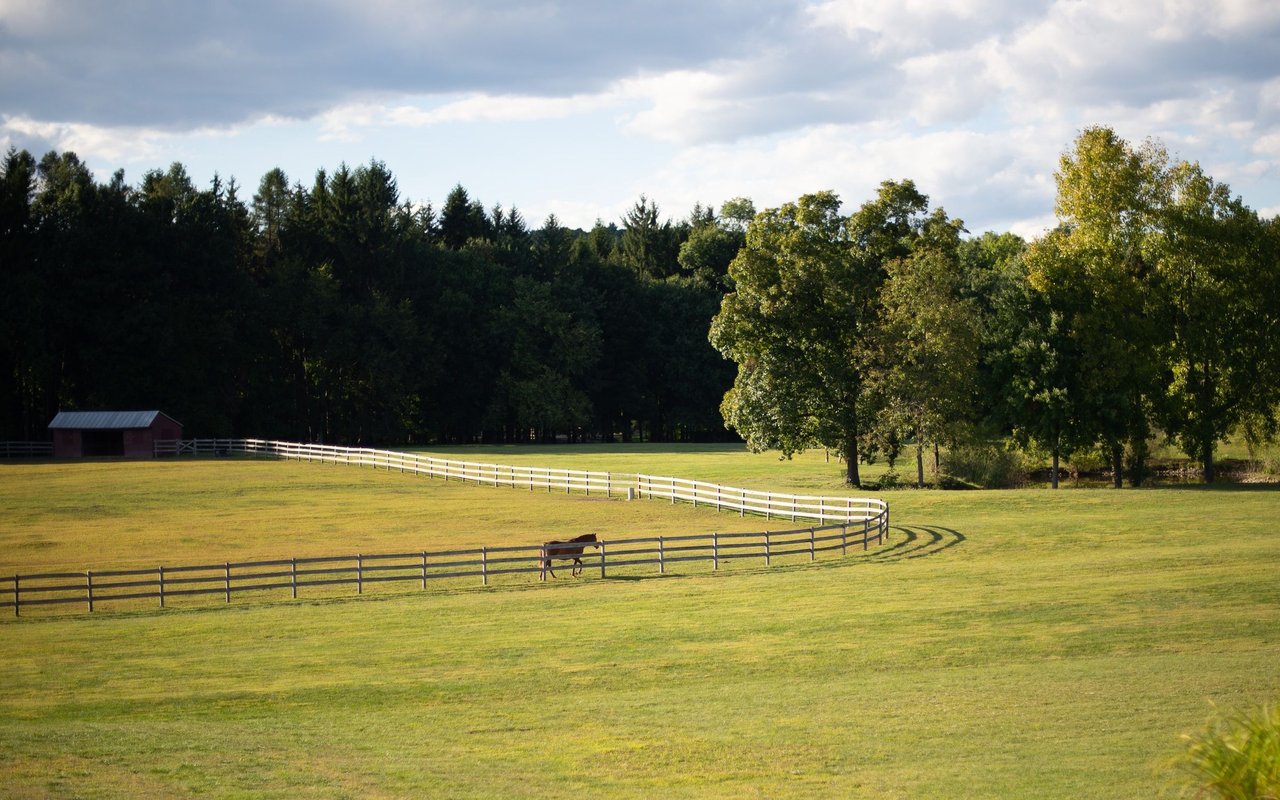
- Use cross-fencing to support rotational grazing and include well-placed water points. Buyers notice logical paddock layouts that protect pasture health.
Pastures and manure management
- Healthy forage, controlled weeds, and good drainage signal strong land stewardship. Address chronic mud with a sacrifice area or added stone.
- Set manure storage or composting areas away from wells and streams and show evidence of regular removal. Buyers want to see odor and runoff managed responsibly.
- Confirm adequate water supply for fields, with frost-protected hydrants or automatic waterers where feasible.
Driveways, parking, and trails
- Provide all-weather driveways and ample turning room for horse trailers. Defined parking and clear sightlines help show acreage and access.
- If you have on-property riding trails or access to local networks, maintain trailheads and mark routes for easy touring during showings.
Utilities and connectivity
- Disclose septic capacity based on bedroom count and share any repair history or permits. Provide recent potable water tests and well flow results.
- Note barn electrical capacity and any backup power or generator readiness. Reliable internet or fiber boosts appeal for remote work and smart farm systems.
- Thoughtful exterior lighting and security that respects the rural setting are a plus.
Land use, zoning, and easements
Confirm the property’s zoning and allowed uses with Loudoun County before listing. Buyers will ask about accessory dwellings, farm structures, and subdivision potential. If your farm is under a conservation or agricultural easement, prepare a clear summary of restrictions, reserved rights, and any building or fencing limitations.
If the property participates in current-use tax programs, confirm enrollment status and discuss potential rollback taxes if the use changes. Identify any wetlands, streams, or required buffers that affect new barns, arenas, or grading. Loudoun is within the Chesapeake Bay watershed, so best practices for manure and runoff matter. Note setback requirements from wells and streams for manure storage, barns, and drainfields.
Check FEMA floodplain status for low-lying fields or structures and disclose accordingly. For driveways connecting to state roads, confirm lawful access and any VDOT entrance permits. Map out utility lines and recorded easements that could affect siting or aesthetics.
Documentation buyers expect
Assemble a concise, well-organized binder for showings. Include:
- Current survey, legal description, and site map of paddocks, pastures, and improvements
- Deed, title exceptions, and recorded easements, covenants, or restrictions
- Zoning classification and any approved use permits or determinations
- Building permits, as-builts, and certificates of occupancy for barns, arenas, and accessory dwellings
- Septic permits, inspection reports, repair history, and drainfield locations
- Well permit, recent potable water tests, and well yield or flow results
- FEMA flood zone determination
- Recent tax assessment and current-use enrollment paperwork
- Manure management plan or documented practices
- Documentation of arena construction, footing materials, drainage work, and any warranties
- Maintenance logs for barns, roofs, mechanicals, and service records for generators and well pumps
- Fencing inventory with material types, age, and recent repairs
- Summaries of veterinarian and farrier care for resident horses, without personal data
- Any appraisals or third-party valuation reports
Pre-listing inspections that pay off
Target the systems that drive confidence and safety:
- Structural review of barns and major outbuildings
- Electrical and mechanical safety checks for barns and tack rooms
- Septic inspection and percolation test as needed
- Well potability and flow testing
- Boundary survey if fence lines are unclear or disputed
- Arena footing and drainage evaluation by a qualified specialist
- Fencing safety audit by an equine fence professional
- Environmental or wetland delineation if improvements are near water features
Presentation and showing-day checklist
- Declutter barns and tack rooms, remove expired feed, and create a clean, neutral scent
- Repair or reinforce visible fencing, especially along entry drives and front paddocks
- Touch up high-visibility items like barn doors, trim, lighting, and broken windows
- Drag paddocks, reseed sparse areas, and manage mud with gravel in heavy-use spots
- Clear low branches along trails and open view corridors to showcase acreage
- Prepare a polished farm binder and a simple map highlighting arenas, paddocks, water, and trail access
- Book professional photography, including aerials, to show the full layout and rural context
Smart budget tips for sellers
- Prioritize safety and function first. Fencing, ventilation, drainage, and septic or well fixes usually deliver stronger buyer confidence than interior luxury upgrades.
- Avoid overcapitalizing on bespoke interior renovations that do not address equestrian function. Luxury buyers will pay more for turn-key barns, arenas, and well-managed land.
- Obtain multiple bids for major work, and save warranties and maintenance notes. Clear documentation helps buyers move faster and reduces retrade risk.
Local resources to move fast
When you are ready to act, connect with the right experts. Loudoun County Planning and Zoning and the Department of Building and Development can clarify permitted uses and required approvals. Virginia Cooperative Extension and the local Soil and Water Conservation District can advise on pasture renovation, rotational grazing, fencing standards, and manure management. The Virginia Department of Health and Loudoun Health Department can guide well and septic testing, while DEQ and the U.S. Army Corps of Engineers address projects that affect wetlands or streams. For flood status, consult FEMA flood mapping. Round out your team with local arena builders, fencing specialists, and equine vets or farriers for on-the-ground assessments.
Getting a horse farm ready for Loudoun’s luxury market is about showing stewardship, safety, and smart systems. When you present function, healthy acreage, and complete documentation, you meet buyers where they are and protect your value. If you want a focused plan for your property, schedule a confidential consultation with Debbie Meighan.
FAQs
What barn sizes do Loudoun luxury buyers expect?
- Most buyers look for stalls in the 12 × 12 ft to 12 × 14 ft range, wider aisles of 10 to 14 ft, good ventilation, safe electrical, and hot-water grooming or wash areas.
What arena dimensions and footing details matter most?
- A full dressage arena is 20 × 60 meters, with 20 × 40 meters acceptable for schooling, and buyers focus on base, drainage, footing quality, lighting, and maintenance history.
How should I handle manure management before listing?
- Set a designated storage or composting area away from wells and streams, manage odors and runoff, and show evidence of regular removal or responsible practices.
Which zoning and easement issues should I confirm first?
- Verify zoning use, recorded easements or covenants, conservation restrictions, and current-use tax program status, and disclose any limits on improvements or subdivision.
What well and septic documents reassure luxury buyers?
- Provide well permits, recent potable water tests and flow results, plus septic permits, inspection reports, repair records, and a clear map of drainfield locations.