Fauquier Or Loudoun For Your Next Horse Property?
February 19, 2026
February 19, 2026
Choosing between Fauquier and Loudoun for a horse property can feel like a fork in a bridle path. You want the right mix of usable pasture, clear rules, strong vet access, and a community that fits how you ride and live. In this guide, you’ll get a side‑by‑side look at land, zoning, equestrian infrastructure, and pricing so you can choose with confidence. Let’s dive in.
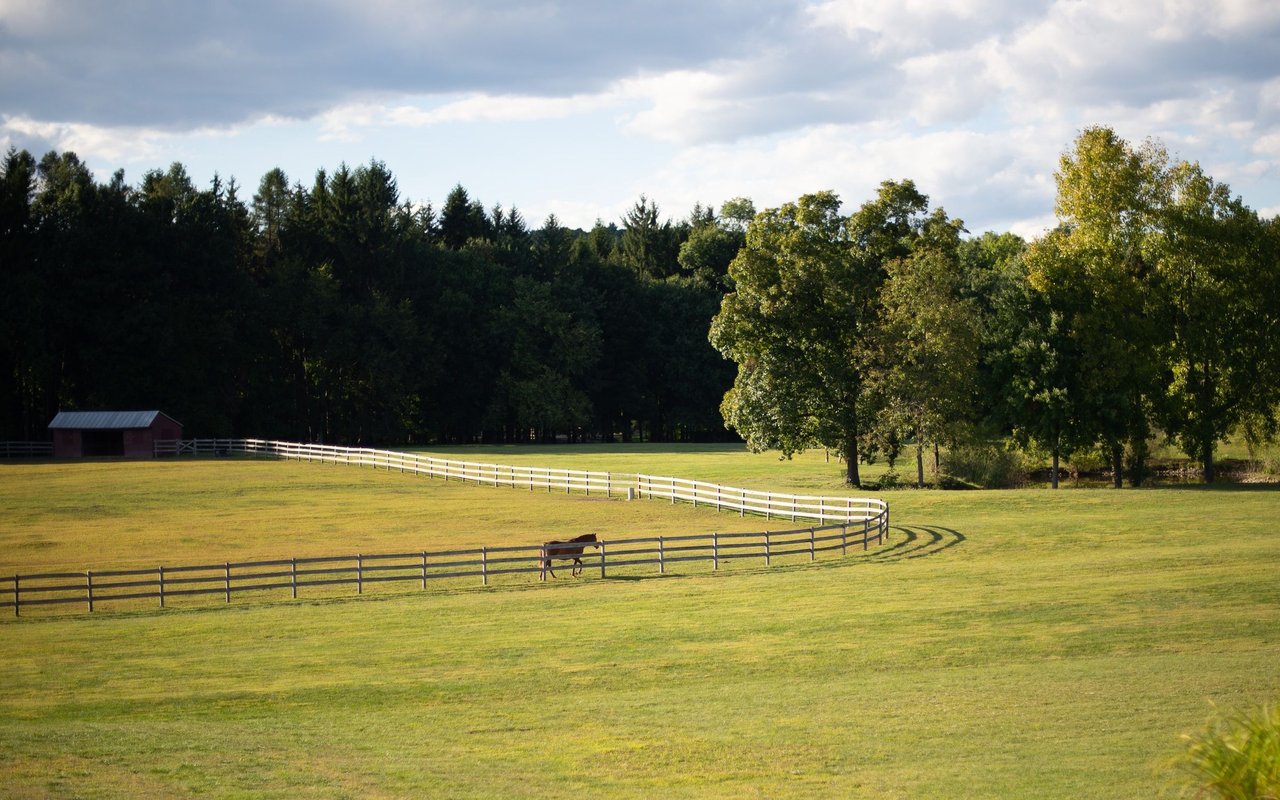
If you value larger, classic Hunt Country acreage and a deep event calendar, Fauquier often delivers. The Plains and Upperville corridors center social and show life with Great Meadow and the Upperville Colt & Horse Show. You may also find more contiguous tracts and active preservation tools that protect rural character.
If you prioritize proximity to Leesburg, Dulles, and a centralized equine hub, Loudoun tends to shine. Morven Park hosts a full slate of competitions, and Virginia Tech’s Marion duPont Scott Equine Medical Center sits right there in Leesburg, which many buyers see as a practical advantage. Loudoun’s land values per acre are often higher, but service density and access can offset that for active programs.
Not every deeded acre works for horses. Both counties feature rolling terrain, with pockets of woods, wetlands, floodplain, and steep slopes that reduce usable paddock and arena area. State bridle areas and parks show where terrain rides well, but each property needs its own slope and hydrology check. You can preview the landscape context by reviewing state park riding guidance for Virginia’s trail systems, then apply that lens on private parcels.
In Fauquier, the county’s soils guidance is a practical first stop when you are sizing up pasture potential and arena sites. Review the county’s soil-survey resources and be ready to order a Type I/soils report if you plan barns, arenas, or new structures. Well yield and septic capacity often drive layout decisions, especially for boarding operations and guest accommodations.
Before you write an offer, confirm what the zoning actually allows on that parcel. Fauquier’s zoning ordinance governs permitted uses, animal counts by lot size, setbacks, and when a Special Permit is needed. A quick call with zoning staff early in your process can save you time and surprises.
Fauquier also promotes conservation easements and operates a voluntary Purchase of Development Rights program. Parcels typically need qualifying zoning, bona fide agricultural production, and a minimum acreage threshold, with 50 acres a common marker for eligibility. Easements and PDRs can reduce annual tax exposure and preserve open space, but they also restrict subdivision and future building rights.
Virginia’s Right‑to‑Farm statutes offer helpful protection for ordinary agricultural operations on agricultural land. That said, do not assume you can run a commercial boarding or training business without county permits. Local site standards, setbacks, and health reviews still apply.
Fauquier anchors its culture around signature venues. Great Meadow in The Plains hosts the Virginia Gold Cup, International Gold Cup, polo, and Twilight Jumpers, while the Upperville Colt & Horse Show draws national attention each summer. These hubs shape the rhythm of local riding and community.
Loudoun’s standout is Morven Park in Leesburg, a multi-discipline destination with hunter, jumper, dressage, and eventing competitions. Just next door, Virginia Tech’s Marion duPont Scott Equine Medical Center provides 24/7 referral care. For many owners, shorter emergency transport times are a key criterion.
The region as a whole is well served by skilled ambulatory vets. Practices around The Plains and Middleburg, including Piedmont Equine Practice, support sport-horse programs with routine and emergency care, and they coordinate closely with referral hospitals when needed.
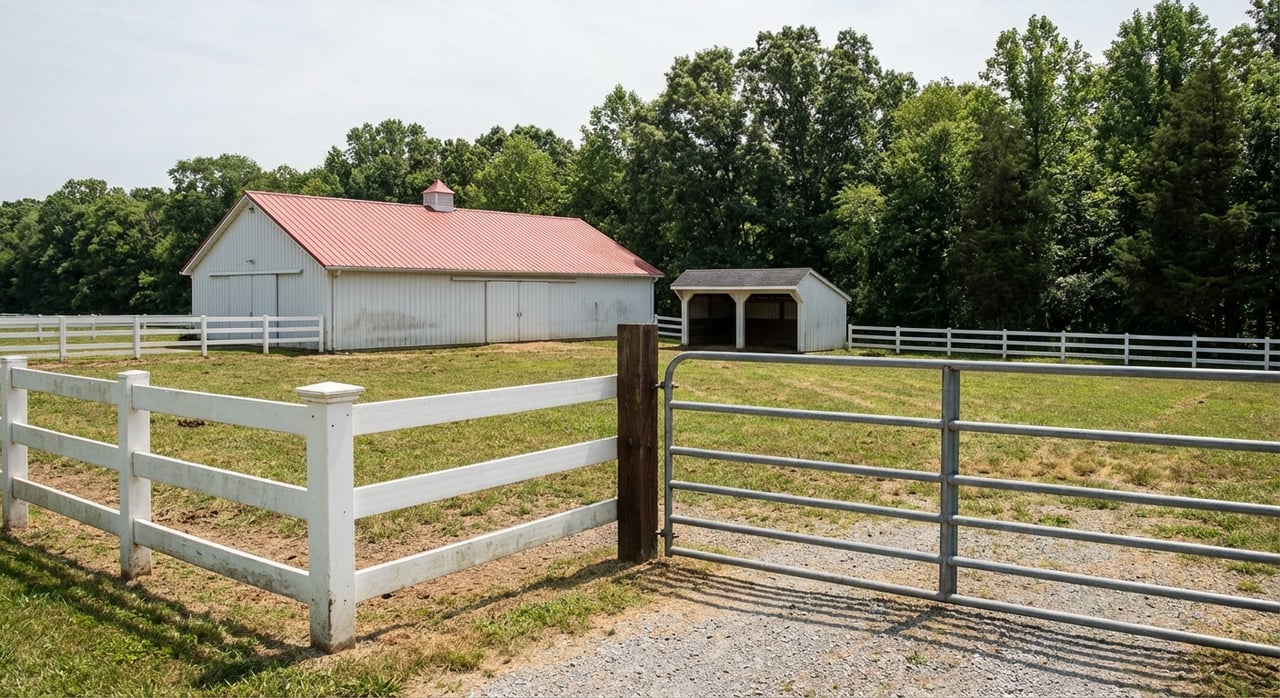
Across Hunt Country, you will see three common profiles:
Serious buyers usually expect or plan for:
Countywide median listing prices help you gauge general affordability and tax exposure, but they are not horse‑farm comps. Amenities such as usable pasture, arena quality, stall count, and proximity to showgrounds or referral hospitals add premiums that general medians cannot capture. As a baseline, you can reference county medians, then pivot to true farm and land comps.
Per‑acre land values vary widely across Northern Virginia. Loudoun often ranks among the higher per‑acre counties in the Commonwealth, while Fauquier’s averages tend to be lower, with notable premiums in Northern Fauquier near Upperville, Middleburg, and The Plains. Micro‑location, conservation status, and infrastructure can swing values quickly, so rely on current MLS and land-brokerage comps for any property‑level pricing.
Use this quick framework to keep your due diligence tight:
Choose Fauquier if your top priorities are larger tracts, a classic Hunt Country setting, and being close to Great Meadow and Upperville traditions. Choose Loudoun if you want quicker access to Dulles and Leesburg, a denser web of trainers and suppliers, and immediate proximity to Morven Park and a leading equine hospital.
Either county can be right if the parcel’s soils, water, and zoning align with your goals. The best path is to shortlist properties that match your program, then confirm the details that truly drive value: usable acres, infrastructure, vet access, and any easements or permits.
If you want a discreet, data‑driven consult and a curated farm shortlist, connect with Debbie Meighan. She combines hands‑on equestrian facility expertise with the reach of Washington Fine Properties to help you secure the right acreage, at the right terms.






Debbie's mission is to connect qualified buyers and motivated sellers to cement the best real estate transactions, deals where both sides come together for a common goal, and everyone feels like they have walked away a winner.