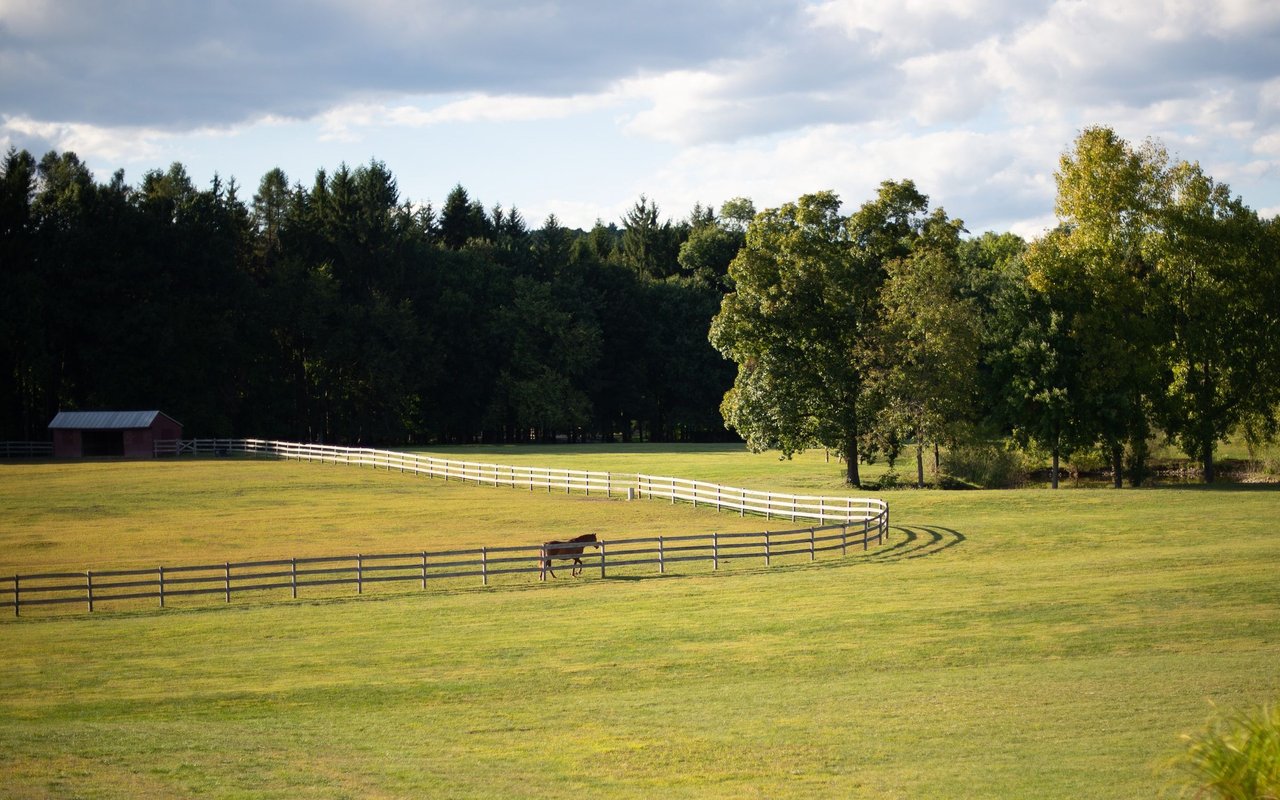
Selling a Horse Farm with a Low Assessment in Loudoun & Fauquier
Debbie Meighan December 16, 2025
Debbie Meighan December 16, 2025
A low assessment does not hurt your sale; equestrian buyers focus on functionality—barns, arenas, fencing, and rideability—not county tax numbers.
It’s common for sellers of horse farms in Loudoun and Fauquier to worry that a low county assessment might undermine their property’s value. But in the equestrian world, assessments are almost irrelevant to buyers.
Here’s why:
Buyers of horse properties care about how the land works for their horses, not what the county thinks the property is worth.
Their decision-making centers around:
Arena footing type
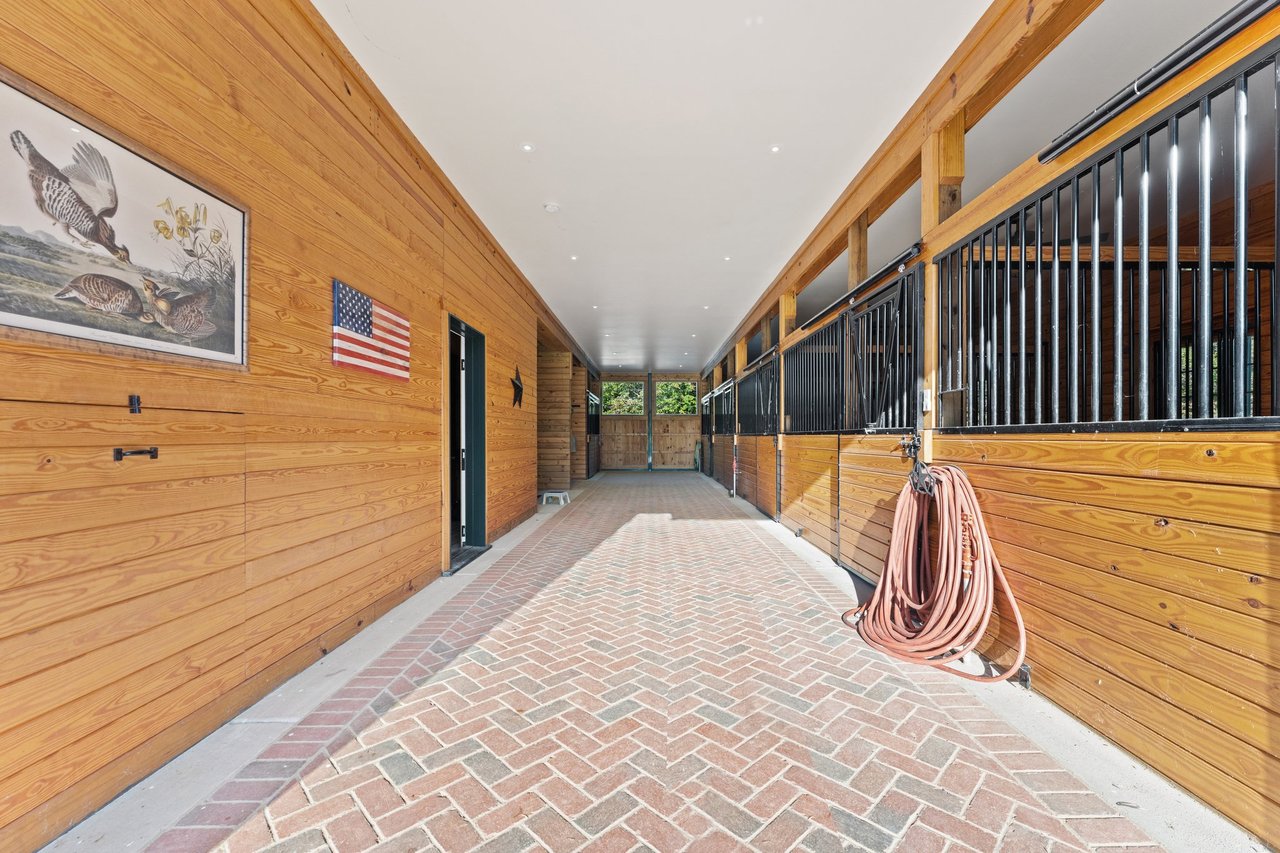
Barn layout and stall quality
Pasture rotation and fencing
Water access and drainage
Trailer turnarounds
Hacking trails and topography
A property with a low assessment but high-quality equestrian features will always command strong offers.
County assessments lag actual improvements by years. They may not reflect:
Newly renovated barns
Updated fencing
Fresh footing
Added run-ins
Improved water infrastructure
Buyers will see these improvements instantly—assessors often do not.
A lower-than-expected assessment can actually reassure buyers that taxes will remain manageable, making your property more appealing to long-term owners.
What buyers do scrutinize is:
How well the farm is maintained
Whether the layout supports efficient horse care
Whether the acreage is usable and rideable
Proximity to equestrian hubs, shows, and trails
As the author of the Northern Virginia Horse Property Hotlist newsletter, I see firsthand how equestrian buyers evaluate properties. Assessments rarely even come up in conversation.
A low assessment does not hurt your value.
Your improvements, layout, and livability for horses determine what buyers will pay.



Debbie's mission is to connect qualified buyers and motivated sellers to cement the best real estate transactions, deals where both sides come together for a common goal, and everyone feels like they have walked away a winner.