Are you eyeing a country property in Clarke County and wondering what the land can truly support? Pasture quality and soils do more than keep fields green. They determine how many animals you can turn out, how often you can graze, and how a property holds its long‑term value. In this guide you’ll learn the essentials of soil and pasture health, how to estimate carrying capacity, and what to inspect or document before you buy or list. Let’s dive in.
Why soils matter in Clarke County
Clarke County sits in the northern Shenandoah Valley, with deeper valley bottoms and shallower, rockier uplands. That mix means two fields on the same farm can perform very differently. Deeper silt loams in the valleys hold more water and support higher forage yields. Shallow or stony upland soils limit rooting depth and make renovation more difficult.
Drainage drives grazing days. Well‑drained soils can handle regular turnout. Poorly drained or seasonally wet areas reduce usable acres, increase compaction risk, and may require a designated sacrificial area during wet weather. Recognize that wet ground grazed at the wrong time loses productivity fast.
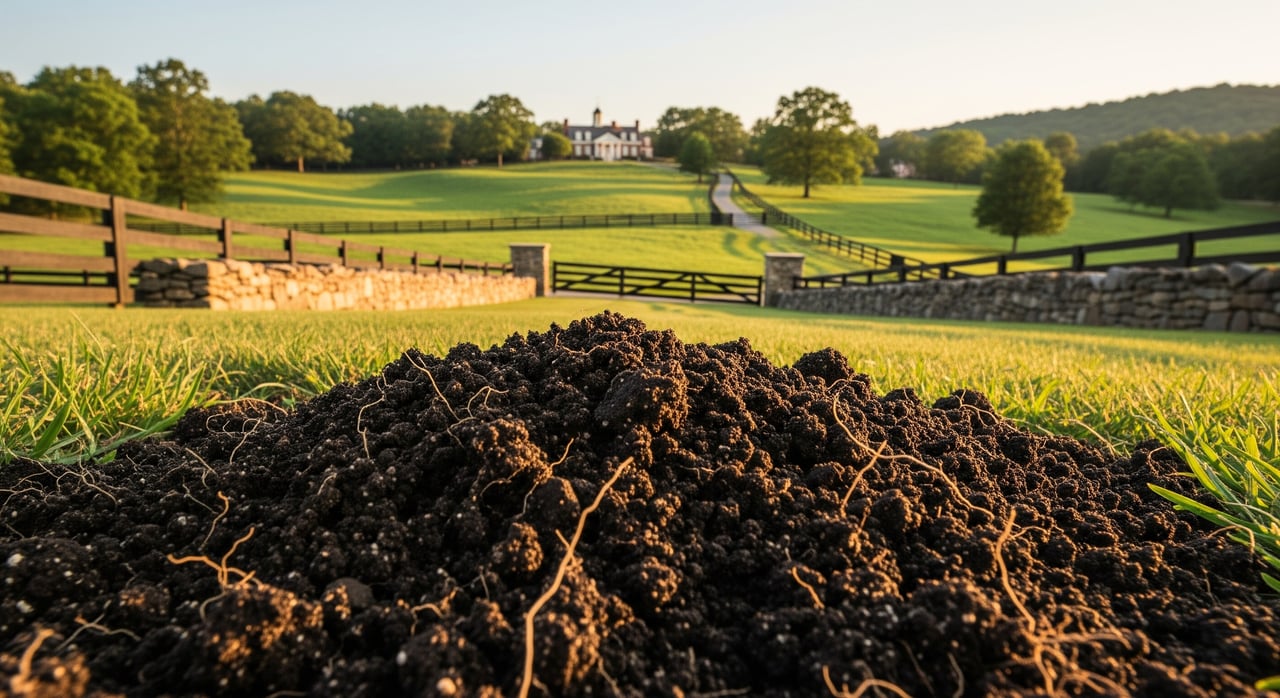
Soil pH and fertility influence what you grow and how well it grows. Many valley soils run closer to neutral due to limestone influence, while uplands trend more acidic. Lime and nutrient corrections guided by soil tests deliver strong returns. Higher organic matter also improves resilience and recovery.
Floodplains can grow great forage but may be seasonally unavailable. Lowland fields near streams may face nutrient runoff rules and buffer requirements that limit grazing windows.
How to evaluate a parcel’s soils
A little upfront diligence will save you money and guesswork later. Use this simple process:
- Use the NRCS Web Soil Survey or contact the local NRCS office to obtain soil series, depth to any restrictive layer, drainage class, slope classes, and hydric or floodplain indicators for the parcel.
- Walk the fields. Note surface rockiness, wet spots, compacted areas, weed pressure, and sward density. Visit in spring and late winter if possible.
- Order a laboratory soil test. Request pH, buffer pH, phosphorus, potassium, calcium, magnesium, and organic matter if available. Ask for lime and fertilizer recommendations.
- Ask for records. Recent hay yields, seeding dates, fertilizer or lime history, and any pasture renovations help you estimate future performance.
Forage and carrying capacity basics
Carrying capacity depends on three pieces: how much usable forage the pasture produces, how much of that you can safely remove, and the animals’ feed demand.
- Annual usable forage per acre equals the pasture’s annual yield multiplied by a realistic utilization rate.
- Animal demand equals daily intake multiplied by days grazed in the period.
- Carrying capacity equals total usable forage across acres divided by animal demand.
Common cool‑season species here include tall fescue, orchardgrass, timothy, perennial ryegrass, and clover mixes. Legumes like white or red clover can boost total forage and protein. Utilization rates vary with management. Continuous grazing often uses 30 to 50 percent. Rotational grazing can push that higher because rest periods allow recovery.
A simple starting point
Rules of thumb help you start the conversation, but verify with local data and your Virginia Cooperative Extension contact.
- Horses: plan about 1 to 2 acres per horse for well‑managed cool‑season pasture during the grazing season. Most owners supply hay in winter.
- Beef cow or cow‑calf pair: mid‑Atlantic stocking often ranges from about 1.5 to 4 acres per pair, depending on pasture quality and management.
Example for a quick screen: If a property has 12 truly usable acres, a conservative starting plan for horses might be 6 to 8 horses during the growing season, with hay or dry‑lot time during summer slump and winter dormancy. Fine‑tune this number with soil tests, actual pasture condition, and a rotational plan.
Why year‑round numbers are lower
Cool‑season pastures peak in spring and fall, slow in summer, and go dormant in winter. That pattern means the grazing season often does not cover the full annual feed requirement. Separate your plan into a grazing season capacity and a winter feeding plan with stored forage.
Turnout planning that protects acres
Management choices determine how much of your deeded acres are truly usable.
- Drainage and wet weather: Identify wet zones and plan a sacrifice or loafing paddock with a durable surface for wet periods. This protects the rest of the farm.
- Fencing and paddocks: Subdivide large fields into paddocks to enable rotational grazing. Well‑placed lanes and multiple water points reduce trampling and improve recovery.
- Water supply and distribution: Reliable year‑round water is non‑negotiable. Spacing waterers reduces high‑traffic damage around a single source.
- Heavy‑use areas: Gateways, waterers, and shade trees need reinforcement. Consider gravel with geotextile, stabilized pads, or vegetated solutions.
- Drainage improvements: Small tile drains, surface grading, or grassed waterways can gain usable days on marginal areas. Always check costs and any permitting with NRCS and county planning before you build.
Renovation to boost pasture value
Well‑timed improvements raise both productivity and marketability.
- Soil test–driven amendments: Lime to target pH and add P and K according to the lab. Lime applications work best when planned ahead of reseeding.
- Overseeding versus full renovation: Overseeding clovers and improved grasses fills gaps at a lower cost. Full renovation is reserved for severely degraded stands.
- Species selection: Choose cool‑season grass and legume mixes suited to the mid‑Atlantic. Novel‑endophyte tall fescue is often preferred to avoid performance issues tied to toxic endophytes.
- Weed and brush control: Address broadleaf weeds and woody encroachment before they dominate. Use timely mowing, spot treatments, and managed grazing.
- Conservation and cost‑share: Many owners offset expenses through conservation programs that support fencing, water systems, stream exclusion, and grazing infrastructure. Speak with NRCS or the local Soil and Water Conservation District about options.
Sellers who document recent lime and fertilizer applications, reseeding, and infrastructure upgrades tend to attract stronger buyers and smoother inspections.
Environmental, regulatory, and tax points
- Nutrient and manure management: Higher stocking rates or confinement areas need plans that prevent runoff. Even small farms should manage manure to protect water quality.
- Floodplain and stream buffers: Streams and floodplains can limit usable acres and trigger additional management requirements. Buffers reduce sediment and nutrient export and are viewed favorably by buyers and regulators.
- Agricultural land use taxation and easements: Clarke County may offer agricultural assessments that depend on documented agricultural use and minimum acreage. Conservation easements or enrollment in state or federal programs can affect future development potential and value. Confirm details with the county assessor and local land trust offices.
- Disclosure and diligence: Sellers should disclose known soil, drainage, and floodplain issues. Buyers should request soil data, pasture management records, and verification from NRCS and Virginia Cooperative Extension.
Buyer checklist for pasture parcels
- Obtain an NRCS Web Soil Survey map with soil descriptions, drainage class, slopes, and any hydric or floodplain indicators.
- Order current lab soil tests from representative pasture areas and interpret results with Virginia Cooperative Extension guidance.
- Walk fields in spring and late winter to spot wet areas, compaction, rockiness, weeds, and stand density.
- Request records: hay yields, fertilizer and lime history, seeding dates and species, manure management, winter feeding strategy, and water line locations.
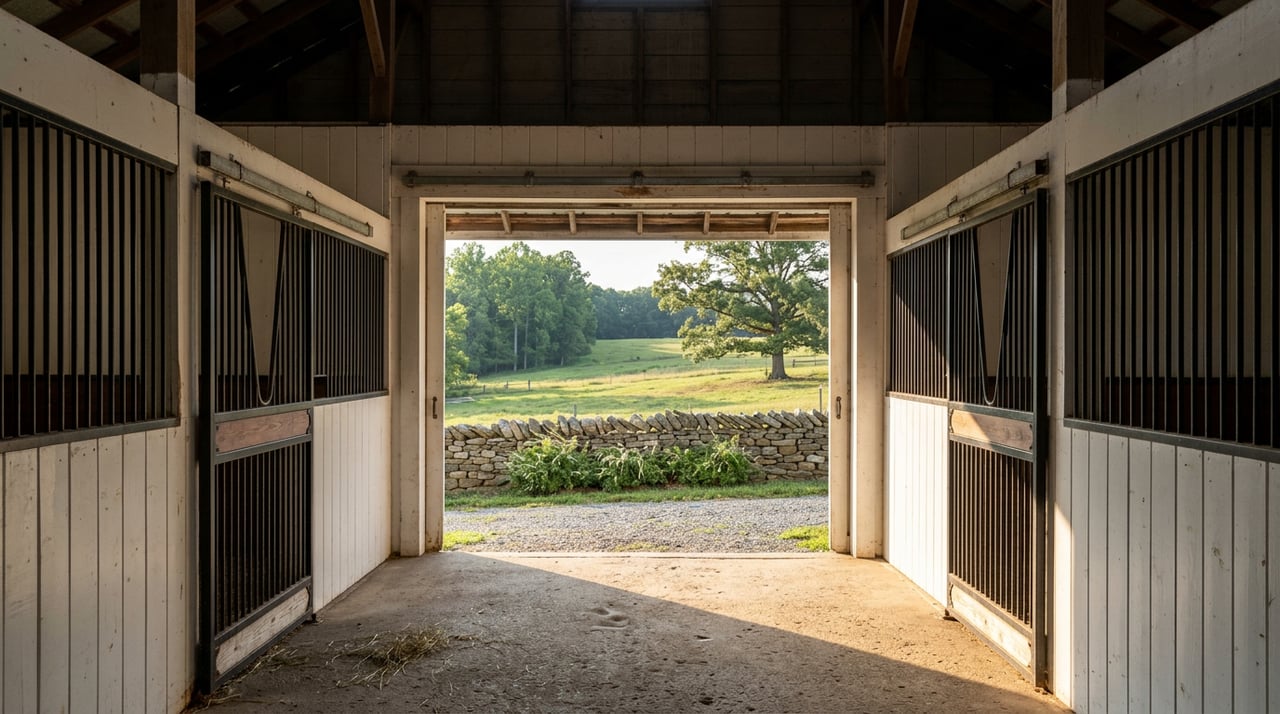
- Inspect infrastructure: paddock count and condition, fencing and gates, water points, sacrifice areas, drainage structures, and barn or handling facilities.
- Confirm any floodplain boundaries, stream setbacks, conservation easements, and agricultural tax enrollment with county offices.
- Estimate grazing capacity using your acres, a realistic utilization rate, and animal demand. Ask the local Extension agent to review your assumptions.
What sellers should prepare before listing
- Provide a current soil test and, if applicable, proof of lime and fertilizer applications.
- Repair or clearly define fencing, gates, and water access in each paddock.
- Stabilize wet or eroded areas and identify a sacrifice paddock to protect fields.
- Document forage management: hay yields, renovation dates, seed mixes, and any conservation practices.
- Organize permits, easement documents, and any agricultural tax enrollment paperwork for buyer review.
Red flags that shrink usable acres
- Persistent wet spots or poor drainage with no sacrifice area.
- Heavy surface rockiness or shallow soils that limit rooting and renovation.
- Sparse stands, invasive weeds, or brush encroachment across large areas.
- Single water point serving multiple large fields that concentrates traffic and damage.
- Steep slopes without lanes or cross‑fencing to control grazing pressure.
Local help and next steps
Your best results come from pairing good records with local expertise. Start with the NRCS Web Soil Survey and a lab soil test, then confirm your plan with Virginia Cooperative Extension. Check conservation and tax details with the county and the Soil and Water Conservation District. If you are weighing improvements before sale or evaluating a purchase, bring in the right team early.
If you want a second set of eyes on soils, drainage, and infrastructure as they relate to market value and buyer expectations in Clarke County, connect with Debbie Meighan. Schedule a confidential consultation to discuss your estate.
FAQs
How many horses can a Clarke County pasture support?
- As a starting point, plan about 1 to 2 acres per horse during the growing season on well‑managed cool‑season pasture, then confirm with soil tests, pasture condition, and your hay plan for winter.
Do rocky or shallow soils lower estate value in Clarke County?
- Often yes, because they reduce usable pasture acres and increase renovation costs, although strong fencing, water infrastructure, and access to deeper valley soils can sustain value.
What should a seller fix before listing a farm or estate?
- At minimum, provide a current soil test and lime or fertilizer history, repair fences and water access, stabilize wet or eroded areas, and share any hay yield or management records.
Are there programs to help pay for pasture improvements?
- Yes, many owners use NRCS or state conservation cost‑share programs for fencing, water systems, stream exclusion, and grazing infrastructure; contact the local NRCS or Soil and Water Conservation District for eligibility.