Search

Leave a Message

Thank you for your message. I will be in touch with you shortly.

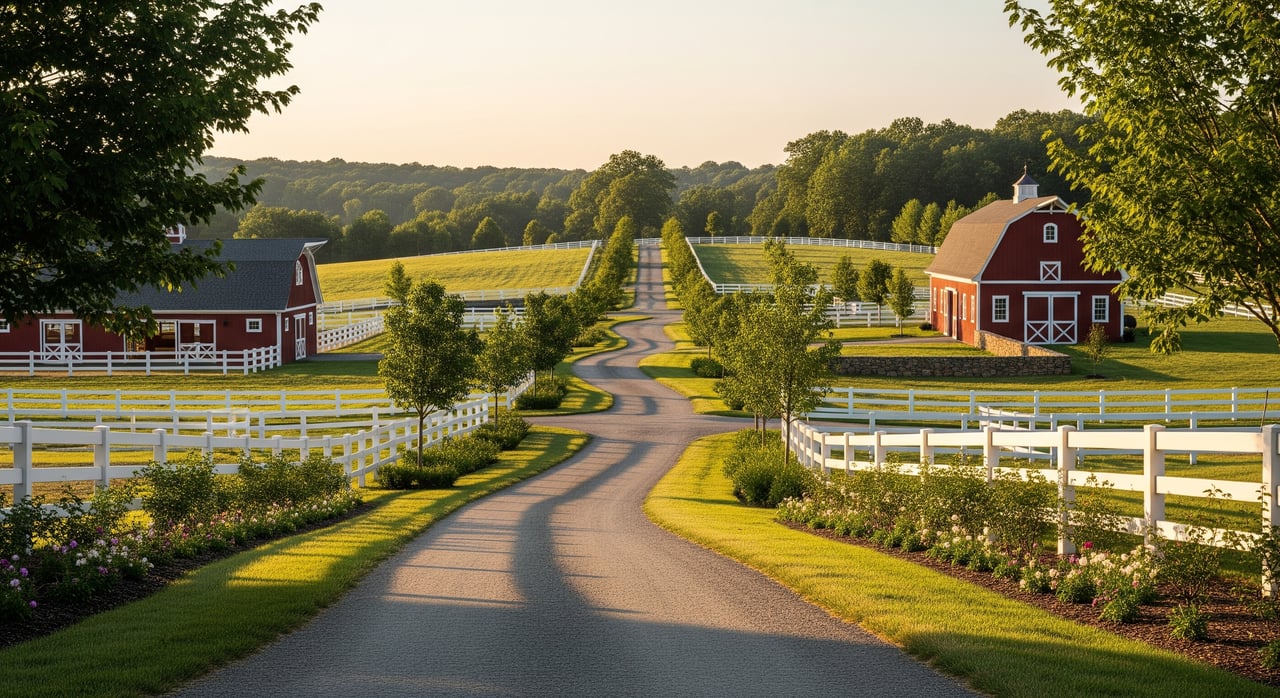
Winding farm driveway leads between white fences to two red barns, with green fields and flower beds.

Guide to Warrenton Equestrian Trails and Riding Access

December 18, 2025

Looking for the best places to ride around Warrenton and Fauquier County? You are in the heart of Northern Virginia’s historic hunt country, where rural roads, open fields, and a deep equestrian tradition shape everyday life. Whether you are hauling in for a schooling day, joining a hunt, or scouting a property with trails nearby, you have strong options. This guide walks you through where to ride, what to expect at each venue type, and the practical details that make riding here smooth and enjoyable. Let’s dive in.

Warrenton riding overview

Warrenton sits at the center of Fauquier County’s hunt country, with Middleburg, Upperville, and The Plains nearby. You will find a high concentration of private farms, show and event venues, and country lanes used for hacking and conditioning. Access varies by property, neighborhood easements, and membership rules, so it pays to plan your routes before you load the trailer.

Expect a mix of public bridle trails, private hunt country access through clubs and landowner permission, and professional facilities that host competitions and schooling days. Many local barns offer boarding, training, and haul-in options, often with waiting lists. If you are relocating with horses, give yourself lead time to evaluate barns, paperwork requirements, and seasonal footing.

Public parks: Sky Meadows

Sky Meadows State Park in Fauquier County is a well-known destination for riders who want marked bridle trails and a scenic training ground. Riders use it for trail mileage, conditioning hills, and group rides with friends. You will find designated parking areas for trailers and park rules that help shared-use trails run safely.

What you will find

  • Marked bridle trails of varying length and difficulty.
  • Designated trailer parking and staging areas.
  • Park rules for manure disposal, seasonal use, and group rides.
  • Occasional educational or organized riding events.

Tips before you go

  • Check current park guidance for trail status, seasonal closures, and group ride policies.
  • Confirm trailer parking capacity on busy weekends.
  • Bring water and a basic kit for mud season, summer heat, or sudden storms.

Event venues: Great Meadow

Great Meadow in The Plains serves as a regional hub for races, shows, cross-country schooling, and community events. Many riders haul in for ticketed competitions or schooling opportunities when offered. The venue is known for its scale, event management, and supportive equestrian community.

What to expect

  • Adequate trailer parking and managed traffic on event days.
  • Warm-up areas, show rings, and cross-country schooling when scheduled.
  • Stabling or temporary stalls for certain events.
  • On-site logistics for exhibitors, including posted rules and schedules.

Entry and haul-in requirements

  • Expect a negative Coggins within the stated timeframe.
  • Follow vaccination policies listed by the event or facility.
  • Sign liability waivers and adhere to posted barn and warm-up rules.

Hunt country and clubs

The Middleburg and Upperville area is synonymous with organized hunts and cross-country schooling traditions. Hunts typically operate on private land with established trail networks and hunt fields. Access is generally limited to members, invited guests, and landowners, and club etiquette is central to a positive experience.

Access and etiquette

  • Confirm membership or explicit permission before riding on private land.
  • Review hunt attire, tack, and turnout guidelines if you plan to cap in.
  • Ask about hilltopping and junior-friendly options if you are new to the pace.
  • Respect landowner rules, gates, and posted trail markers at all times.

Boarding, training, and haul-in arenas

Fauquier County has a broad range of private facilities offering full board, pasture board, lessons, and training programs. Many barns allow haul-in riding by appointment or during posted schooling hours. Indoor arenas exist at select facilities, though access is typically for boarders or by arrangement.

How to evaluate a barn

  • Ask about ring size, footing type, and drainage for rainy seasons.
  • Confirm turnout schedules, blanketing policies, and feed programs.
  • Request written policies for biosecurity, visiting trainers, and haul-ins.
  • Clarify pricing for daily haul-in, lesson fees, and any trainer commission.

Membership venues and riding groups

You will find membership-based options that host clinics, group rides, and social events. These can include hunt clubs, private riding clubs, and Pony Club branches. Memberships often come with access to private fields or schooling opportunities, which can be valuable when the public options are busy or footing is variable.

Seasonal riding in Fauquier

Expect a true four-season calendar. Late winter and early spring bring freeze-thaw cycles and mud that can limit pastures and rings. Summer storms and heat call for early morning or evening rides with shade and ample water.

Fall is a peak season for shows and hunting, which can tighten schooling slots and increase event rates. Winter can be excellent for conditioning when ground is dry or frozen, but check footing and facility availability in advance.

Plan your ride day

When you haul out, a little preparation makes the day easier on you and your horse.

  • Pack required documents: negative Coggins, vaccination record per facility policy, and signed waiver if needed.
  • Confirm your trailer route, parking plan, and whether overnight parking is allowed.
  • Bring essentials: water, buckets, a manure fork and bags, spare halter, first-aid basics, and a cooler or sheet based on weather.
  • Build a buffer for check-in lines at events or popular parks.

Property tips for horse owners

If you are considering a Warrenton-area farm or a country home with paddocks, evaluate riding access and operations details at the same time you tour the house. Many local properties are horse-ready, but specific access and rules differ by parcel and neighborhood.

Trailer access and parking

  • Confirm driveway width, turning radius, and overhead clearance for your trailer.
  • Identify an off-street parking spot on gravel or firm surface.
  • Check for easements, neighbor encroachments, and local restrictions on trailer storage.

Zoning, manure, and stocking

  • Verify Fauquier County zoning for horses on your specific lot.
  • Ask about setbacks, manure storage rules, and any nutrient management plans.
  • Use local extension guidance for pasture care and realistic acreage needs. Many owners reference 1 to 2 acres per horse as a starting point, but actual needs vary by forage quality and rotation.

Liability and insurance

  • Expect to sign waivers at most facilities and events.
  • Consider farm liability coverage if you keep horses at home.
  • Clarify whether a facility requires proof of equine liability insurance for boarders or haul-ins.

Veterinary and farrier access

  • Identify the nearest equine veterinary clinics, ambulatory vets, and 24/7 emergency options.

  • Ask about response times to your property and after-hours protocols.

  • Keep a current contact sheet in the barn and in your trailer.

Quick checklist for facilities

Use this when scouting barns, parks, or event venues so you can compare options clearly.

Before you go

  • Do you require advance reservations for haul-ins?
  • What documents are required? Coggins, vaccinations, and a liability waiver are common.
  • What are day rates or passes, and current hours of operation?
  • Where is trailer parking, and is overnight parking allowed?

On arrival

  • Arenas: size, footing type, drainage, and lighting for evening rides.
  • Cross-country fields or trails: terrain, visibility, signage, and closed areas.
  • Stalls and paddocks: size, shelter, fencing type and condition, and water access.
  • Biosecurity: tie spaces, isolation capability, and cleaning supplies.
  • Parking and access: approach grade, turning radius, and lighting.
  • Staff and safety: on-site contacts, vet and farrier info, and an emergency plan.

Questions for managers and trainers

  • What is included in board, and how are turnout and blanketing handled?
  • What feed brands are used and how are special diets managed?
  • Protocols for sick or injured horses and vet visits?
  • Trainer credentials and availability for juniors or adult amateurs?
  • Security measures such as night locks, cameras, or on-site staff?

Work with a local advisor

Choosing where to ride is as important as choosing where to live. From park access and haul-in policies to zoning, manure management, and seasonal footing, the details matter to both your daily routine and your property’s value. If you are buying or selling an equestrian property in Warrenton or greater Hunt Country, it helps to have a guide who knows the land, the facilities, and the rules that shape your riding life.

If you are ready to talk through goals, budgets, and a practical plan for your horses, connect with Debbie Meighan. Schedule a confidential consultation to discuss your estate.
FAQs

Can you ride all public trails around Warrenton?

  • No. Access varies by landowner and agency. State parks like Sky Meadows allow horses on designated bridle trails, while many private hunt country trails require membership or permission.

How many acres do you need for horses in Fauquier?

  • Needs vary by pasture quality and management. Many owners use 1 to 2 acres per horse as a starting point, but you should confirm zoning for your lot and follow local extension guidance for stocking and forage.

What paperwork do you need to haul in near Warrenton?

  • Expect a current negative Coggins, vaccinations per facility policy, and a signed liability waiver. Some events may also require a recent health certificate.

Are there indoor arenas near Warrenton?

  • Yes, at some private boarding and training facilities. Access is typically for boarders or by arrangement, so confirm policies with each barn.

How seasonal is riding in Northern Virginia?

  • Quite seasonal. Late winter and early spring mud can limit fields and rings, summer heat shifts rides to morning or evening, and fall into winter is a busy show and hunt season with tighter schooling availability.

Work With Debbie

Debbie's mission is to connect qualified buyers and motivated sellers to cement the best real estate transactions, deals where both sides come together for a common goal, and everyone feels like they have walked away a winner.