The Smart Seller’s 2026 Prep Guide: Low-Cost Improvements That Make Horse Properties in Loudoun & Fauquier Sell Faster and for More
Debbie Meighan December 10, 2025
Debbie Meighan December 10, 2025
Strategic, low-cost improvements in 2026 can dramatically boost the value and marketability of horse properties in Loudoun and Fauquier—while preventing delays, surprises, and price reductions when you’re ready to sell.
Most horse-property owners in Loudoun and Fauquier aren’t listing tomorrow. They’re planning one, two, or even three years out—timing their sale around herd changes, retirement plans, a new home purchase, or major life transitions.
And here’s the truth:
The best sales happen when the prep work is done quietly, gradually, and strategically in advance — not in a frantic rush after the For Sale sign goes up.
As a luxury real estate agent and horse property specialist, I help sellers prioritize improvements that:
increase buyer confidence
smooth out inspections
prevent insurance surprises
reduce days on market
avoid last-minute repair negotiations
position the property as “turnkey”
deliver the best ROI with the least cash spent
This guide walks you through the low-cost, high-impact steps to take in 2026 to ensure your future listing is strong, safe, and salable.
Let’s get started.
Horse farms aren’t evaluated the same way as standard residential homes. Buyers look at:
barn wiring
arena drainage
pasture condition
water systems
safety and liability concerns
zoning compliance
short-term rental history or permits
manure management
fencing reliability
outbuilding stability
flood behavior during storms
These items dramatically influence insurance, appraisal, buyer confidence, and negotiation leverage.
The good news?
You don’t need expensive renovations. You need strategic, targeted improvements.
Both Loudoun County and Fauquier County have increased enforcement of zoning, safety, and short-term rental rules in recent years. Even if you’ve never run a rental, older properties may have undocumented conditions that slow down a sale.
This is one of the biggest insurance red flags.
Add GFCIs in wash/tack areas
Replace old outlets
Label panels
Repair exposed wiring
Replace non-weatherproof fixtures
Cost: $300–$1,500
Value: Buyers immediately trust the property.
Loudoun requires:
annual registration
permits
septic documentation
advertisement requirements
proof of compliance
If your property ever hosted Airbnb/VRBO guests—even casually—clean up this paper trail now.
Cost: $0–$200
Value: Avoids major buyer delays.
Especially important for:
boarding barns
lesson barns
clinics or event uses
agritourism activities
additional dwellings
temporary housing
Buyers always ask, “Is this allowed?”
You want to be able to say yes, and here’s the documentation.
Cost: free–$300 (if a zoning letter is needed)
Value: Eliminates deal-killing uncertainty.
Horse buyers in Loudoun and Fauquier will walk away instantly if paddocks are standing in water, arenas are mushy, or barns sit in low areas.
But drainage improvements don’t need to be expensive.
Add gravel to gateways
Regrade small swales
Extend downspouts
Install a few strategic French drains
Refresh arena footing and base
Redirect runoff away from barns
Most of these cost less than $2,000, but they dramatically change the buyer’s first impression.
Safer footing
Better year-round usability
Lower perceived flood risk
Stronger appraisal
Higher insurance confidence
In a region with clay soils and intense rain cycles, drainage is often the #1 issue buyers comment on before anything else.
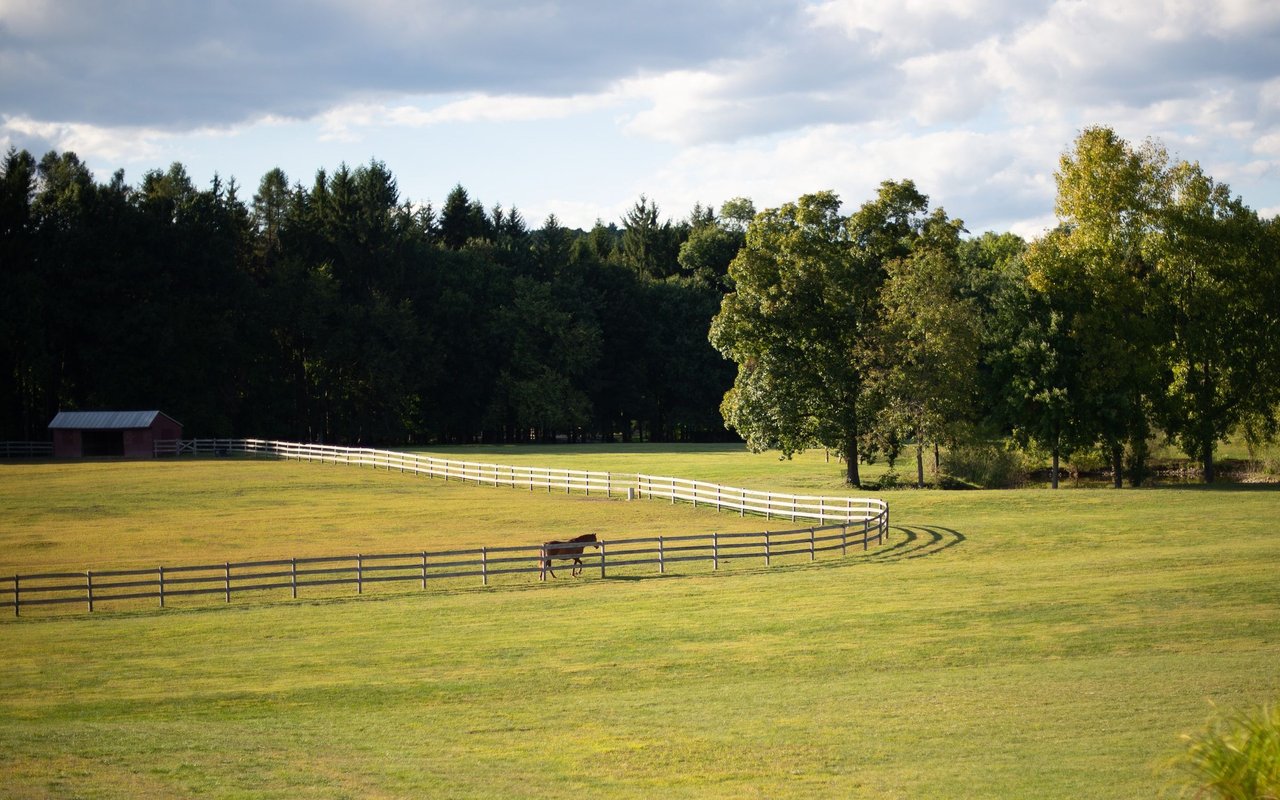
In equestrian markets, pastures are curb appeal.
Rotate fields ahead of listing
Brush-hog overgrowth
Overseed bare patches
Repair chewed or sagging boards
Replace missing posts
Add gravel around gates
Clean up old broken waterers or feeders
Cost: $300–$3,000
Value: Makes your acreage look “loved, not used hard.”
And that is exactly what buyers want.
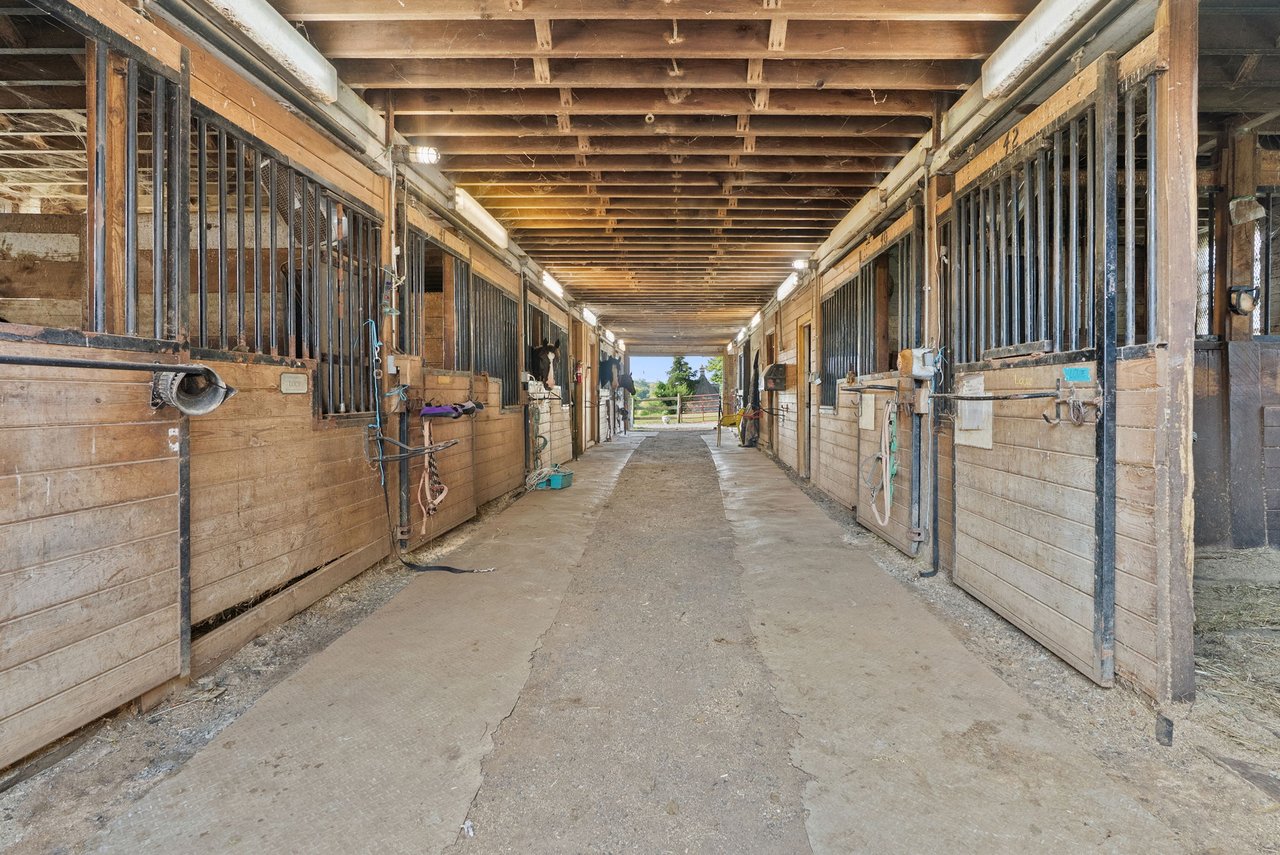
You don’t need to rebuild your barn. You just need to modernize the look and remove distractions.
Fresh paint or stain
Updated LED barn lighting
New hardware on doors
Power-washing mold/mildew
Cleaning or repainting kickboards
Replacing rusted latches
Removing old hay, unused tack, and clutter
Cost: $500–$4,000
Value: Buyers overlook small flaws when barns feel clean, bright, and safe.
Buyers LOVE when sellers provide organized documentation for:
well and water tests
septic pumping
electrical updates
roof ages
arena maintenance
pasture management
drainage improvements
STR compliance (if applicable)
zoning or permitted-use letters
This builds instant trust and reduces inspection renegotiations.
Create a simple property binder before listing.
Cost: $20 for a binder + 30 minutes of your time
Value: Huge in buyer confidence.
Buyers expect outbuildings—but they don’t want to see:
broken implements
unused trailers
spare lumber piles
rusted t-posts
old arena standards
sagging hoses
piles of fencing materials
Cost: free–$500
Value: Immediately makes acreage appear larger, more functional, and ready for move-in.
A well-planned prep year looks like:
Check zoning
Clean up STR history (if applicable)
Begin drainage improvements
Start pasture rotation
Repair safety risks
Update barn lighting/wiring
Tackle fence repairs
Refresh outbuilding exteriors
Begin documentation packet
Deep clean barns
Paint/stain critical areas
Refresh arena footing
Remove old equipment
Final declutter
Photo-ready cleanup
Create property binder
Pre-listing consultation
This approach ensures you don’t overspend and don’t miss anything that matters to equestrian buyers.
Selling a horse property in Loudoun or Fauquier requires a different strategy than selling a traditional home. The right small improvements create big results — but only when they’re tied to buyer psychology and equestrian-market expectations.
As a luxury real estate agent and horse property specialist, I help sellers:
✔ build a 6–24 month prep plan
✔ identify high-ROI fixes
✔ avoid unnecessary upgrades
✔ ensure zoning & compliance are clean
✔ position acreage and barns for top-dollar offers
If you'd like a personalized 2026 prep strategy for your farm or equestrian estate, I’d be happy to help.


Debbie's mission is to connect qualified buyers and motivated sellers to cement the best real estate transactions, deals where both sides come together for a common goal, and everyone feels like they have walked away a winner.