How to Tell a ‘Working Farm + Lifestyle’ Story That Attracts Today’s Buyers in Loudoun & Fauquier Horse Country
Debbie Meighan December 10, 2025
Debbie Meighan December 10, 2025
Today's equestrian buyers want hybrid properties that blend working-farm functionality with rural lifestyle appeal. Here’s how sellers in Loudoun and Fauquier can tell that story for maximum market impact.
Selling a horse property in Loudoun or Fauquier County isn’t what it was 10 or even 5 years ago. The profile of the typical equestrian buyer has shifted dramatically, and so have the expectations they bring when touring farms, scrolling listings, or reading property descriptions.
Today’s buyers aren’t just riders. They’re:
remote professionals
young families seeking acreage
lifestyle-focused equestrians
second-home or retreat buyers
hobby farmers
amateur riders
buyers leaving tighter suburban markets
out-of-staters relocating for the “Virginia horse country” lifestyle
And they want something specific — a property that feels like a working farm but lives like a lifestyle estate.
As a luxury real estate agent and horse property specialist, I see this every day: buyers respond most strongly to listings that tell a hybrid story—one that blends practicality, usability, and rural charm.
This blog walks you through how to tell that story effectively, using real data, buyer insights, lifestyle signals, and property features unique to Loudoun and Fauquier.
Let’s break it down piece by piece.
The newest data from the Virginia Horse Industry Board, plus coverage from The Plaid Horse and VDACS, shows a growing demographic shift across the state’s equine market:
Nearly one million people attend equestrian events in Virginia each year
The industry contributes $2 billion annually
Many buyers participate in riding recreationally—not competitively
Remote work has increased demand for acreage + lifestyle flexibility
Younger buyers are seeking multi-use properties, not single-purpose farms
This shift is significant. It means:
Buyers aren’t just purchasing infrastructure. They’re purchasing identity, flexibility, and belonging.
They want barns and pastures — but they also want:
gardens
trails
quiet outdoor spaces
views
wildlife
areas for hobbies
fire pits and gathering zones
the ability to run a small business or hobby operation
This is why “working farm only” listings often underperform, while “working farm + lifestyle” listings generate stronger emotional engagement — and stronger offers.
Traditional listings describe features.
Successful horse-property listings describe systems.
Buyers want to understand:
How the pastures connect
How horses move through a typical day
How water flows after storms
How barns function seasonally
Whether there is ride-out or trail access
How the property feels at sunrise or sunset
What daily life looks like on the farm
“Four board-fenced paddocks.”
“Four board-fenced paddocks arranged for safe rotation, with shade, water access, and beautiful sunset views over gently rolling fields.”
See the difference?
One lists features.
The other paints a lifestyle.
The next-generation buyer often falls in love with the setting as much as the facilities.
Highlight elements like:
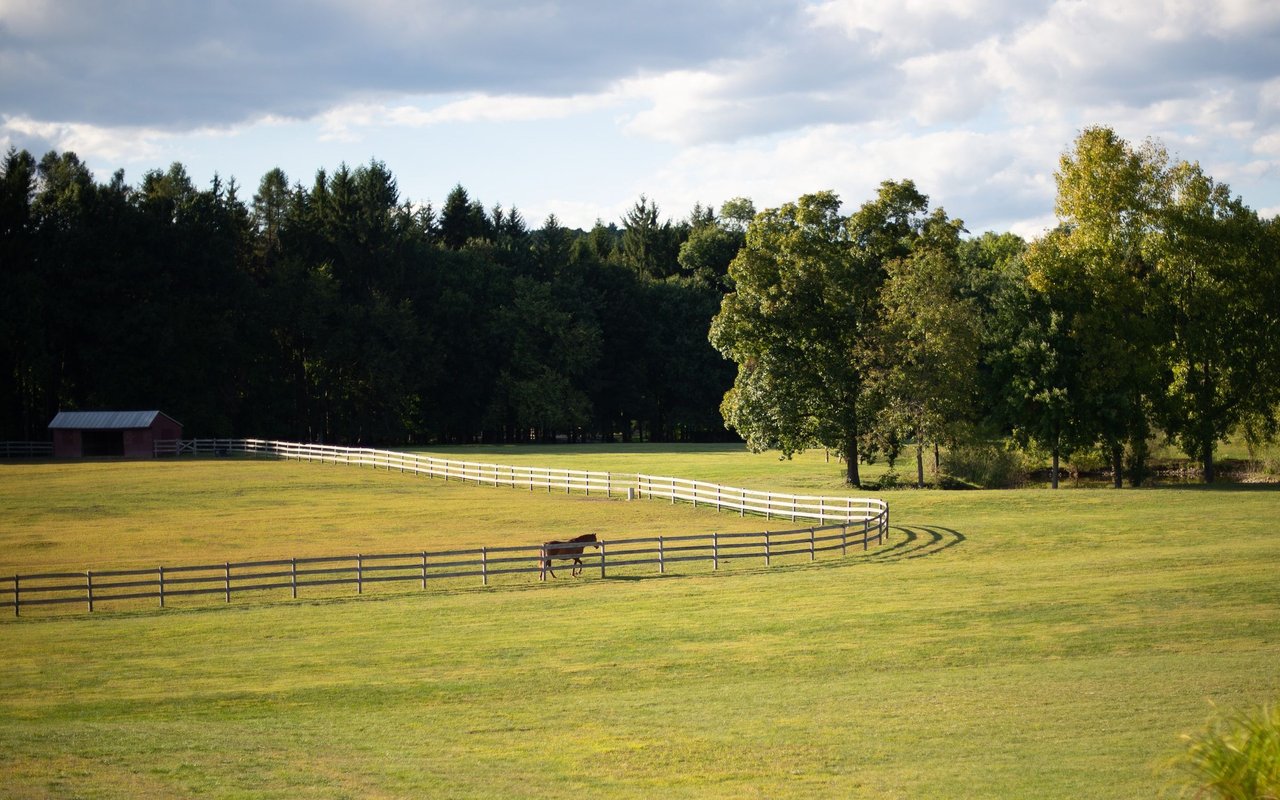
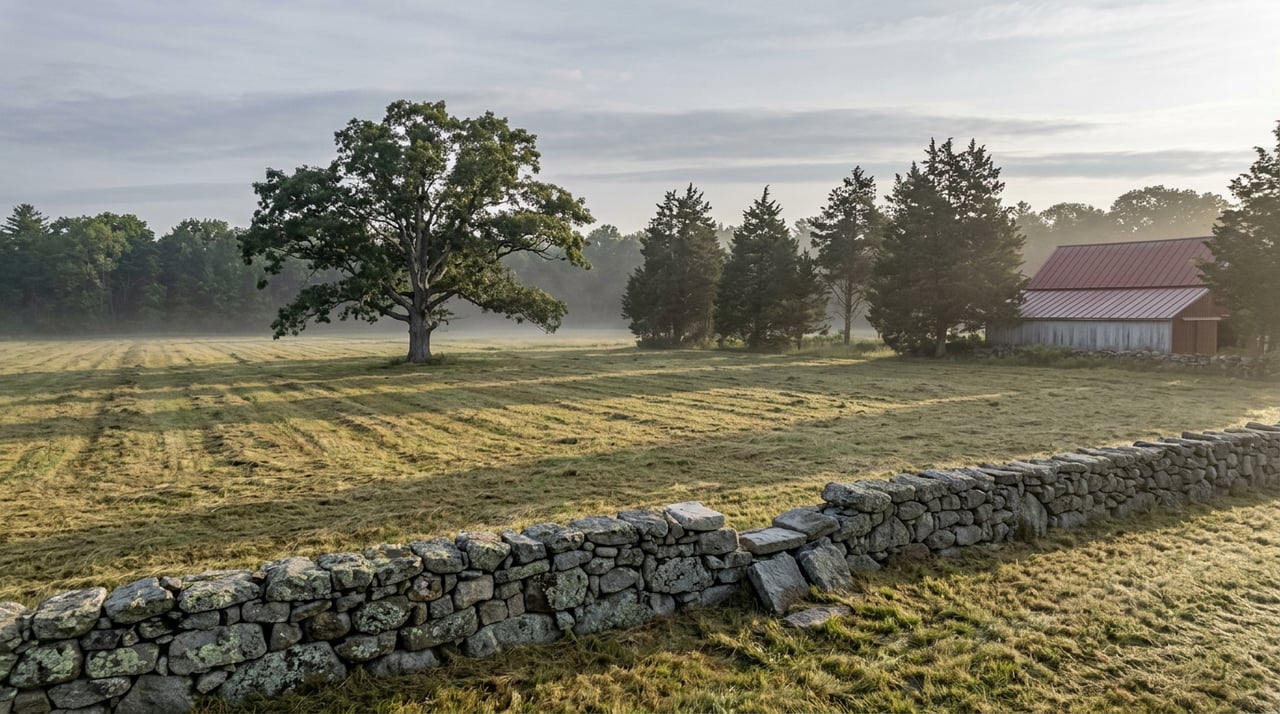
morning light in the fields
breezy porches overlooking woods or streams
trail loops through trees
quiet gravel roads for hacking
seasonal changes across the land
wildlife that moves across the property
peaceful evenings watching horses graze
These lifestyle moments matter — and they help buyers imagine living there.
Most buyers are not buying a farm because they have to.
They’re buying because they want a life that feels meaningful, peaceful, and connected.
Marketing that captures that feeling connects instantly.
The Virginia Horse Industry Board emphasizes that our state’s equine sector is:
economically strong
culturally celebrated
historically deep
geographically iconic
Use this to your advantage.
proximity to hunt territories
closeness to Upperville, Middleburg, or The Plains
access to local shows, clinics, and events
nearby trainers, vets, and farriers
established networks of riders and horse professionals
scenic countryside protected by conservation and open-space programs
When buyers sense that a property is not isolated — but part of a vibrant equestrian ecosystem — their confidence increases dramatically.
One of the biggest shifts in buyer psychology is the desire for multi-use potential. Today’s buyers want to know:
Can I board a few horses here?
Could I keep chickens, goats, or a garden?
Can I host small clinics or lessons?
Could this be a weekend getaway?
Is it suitable for a home business?
Can I run a small agritourism or hobby farm?
If your property offers any of these options, highlight them.
Avoid making claims about uses that require permits — but you can point to potential backed by zoning research.
“With Agricultural Rural zoning and thoughtfully designed infrastructure, the property offers multiple potential uses for hobby farming, small-scale equestrian activities, and rural lifestyle enjoyment.”
This kind of language attracts buyers who want versatility — and they make up a large percentage of today’s market.
Photos and videos should focus on:
horses moving across fields
the golden-hour glow across the farm
shaded riding paths
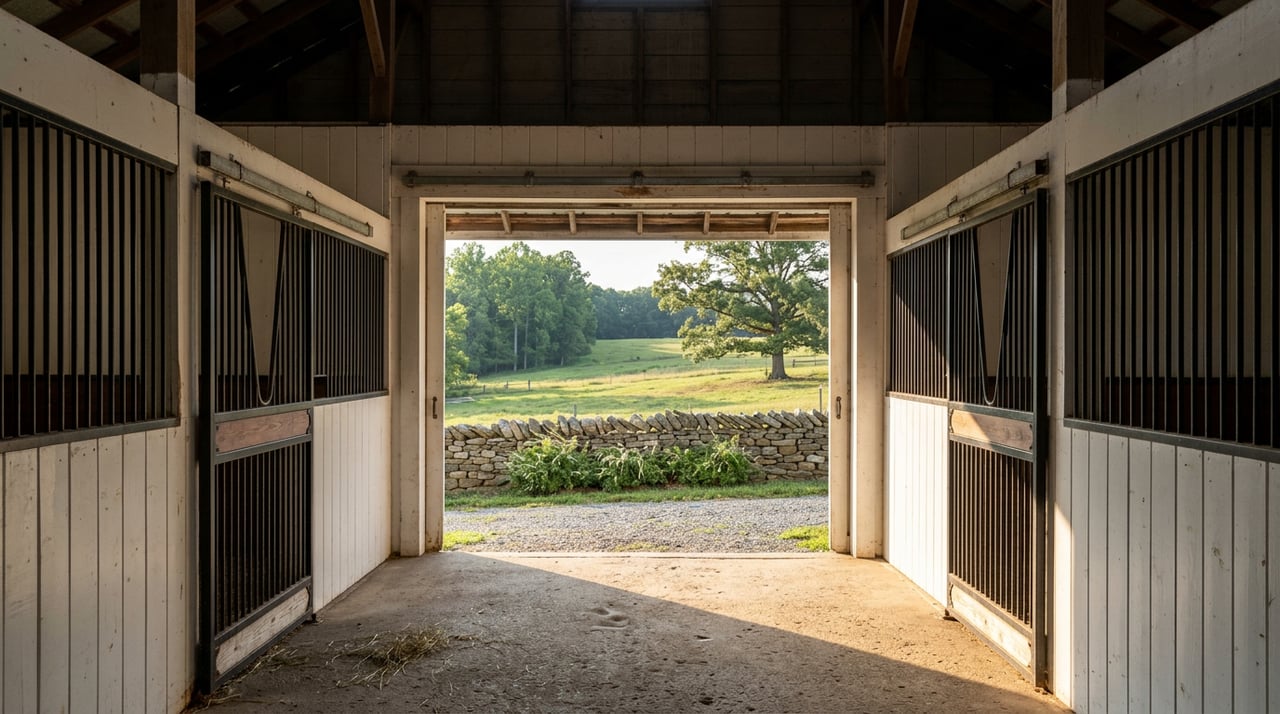
breezy barn aisles
quiet seating areas
views from house to barn
pasture layouts
lifestyle activities (gardening, resting under trees, etc.)
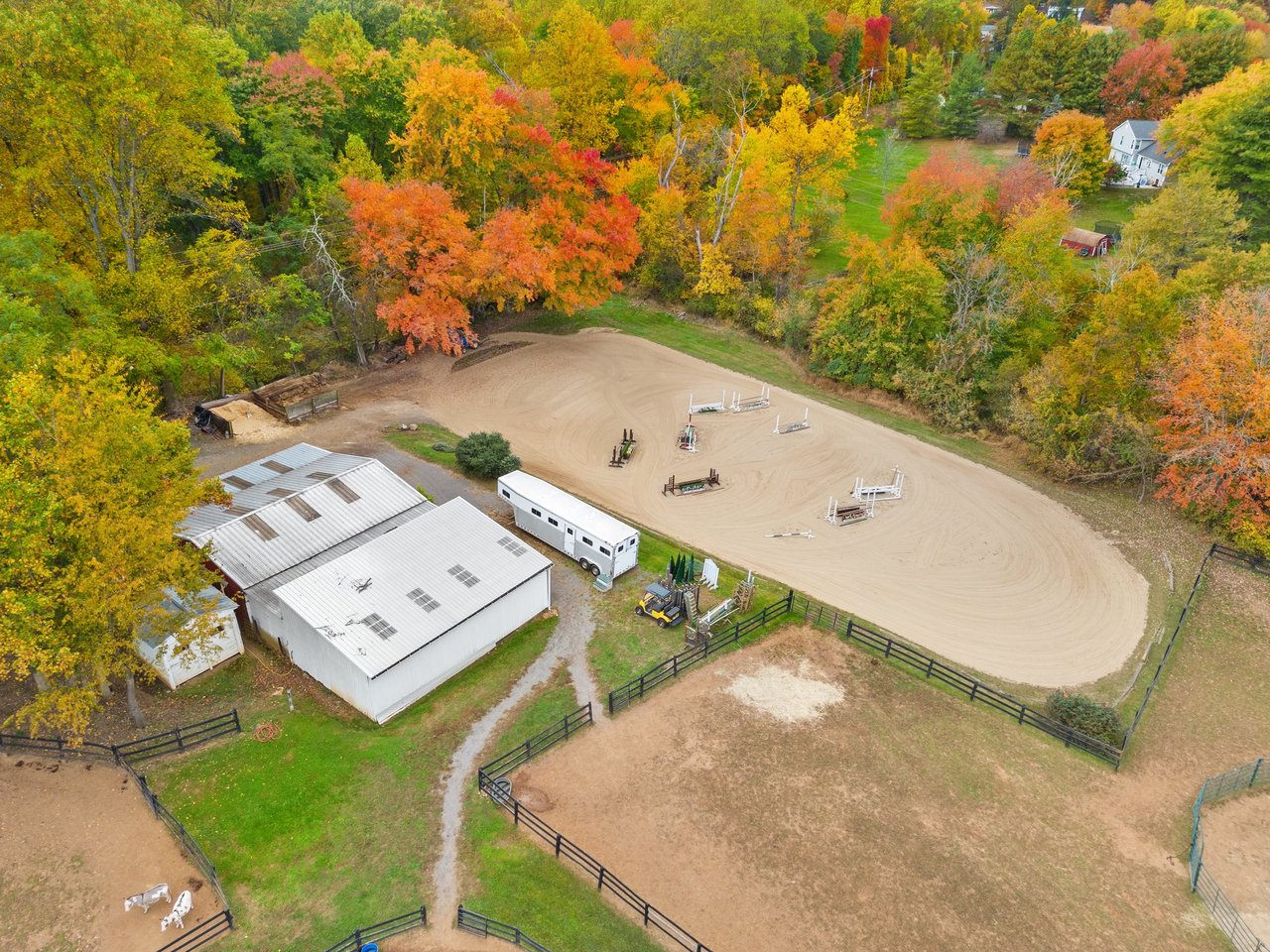
Aerial views immediately communicate:
pasture layout
land usability
privacy
scenery
fences and barn placement
the full “working farm + lifestyle” feel
If you show the system, buyers buy the system.
Buyers love understanding how the current owner uses the farm.
Example:
“We drink coffee every morning on the south porch and watch the horses graze in the lower field. In the evenings, we walk the wooded trail loop with the dogs. The barn has been perfect for our retired gelding and pony — safe, simple, and easy to care for year-round.”
These small, honest stories build emotional connection.
They also demonstrate functionality without overselling features.
The newest equestrian trends emphasize:
low-maintenance operations
sustainability
safety
wellness
easy daily routines
small-scale operations that don’t require full staff
If your property is easy to manage, highlight that.
If it has natural shade, good drainage, simple run-ins, or smart layout, emphasize that.
Today’s buyers are seeking a balanced life, not a full-time farm job.
The strongest 2025–2026 buyers in Loudoun and Fauquier want both:
and
When your listing tells both stories — clearly, visually, and emotionally — you stand out from competing properties instantly.
As a luxury real estate agent and horse property specialist, I help sellers:
craft their hybrid farm + lifestyle narrative
position acreage, barns, and land systems strategically
showcase the property within Virginia’s equestrian culture
appeal to lifestyle, recreational, and competitive buyers
create emotional resonance that leads to stronger offers
If you'd like help shaping the narrative for your Loudoun or Fauquier farm, I’d be happy to assist.


Debbie's mission is to connect qualified buyers and motivated sellers to cement the best real estate transactions, deals where both sides come together for a common goal, and everyone feels like they have walked away a winner.